Introduction: The Daily Tug-of-War
In the interconnected landscape of global finance, few indicators are as closely watched by Peruvian households, business owners, and investors as the daily exchange rate. As of Tuesday, September 29, the Central Reserve Bank of Peru (BCRP) has set the official exchange rate at S/3.44 per U.S. dollar. While this single figure may seem like a static data point, it represents the culmination of complex market forces, geopolitical shifts, and the collective sentiment of an entire economy.
For the average citizen, the dollar is more than just a currency; it is a barometer for the cost of living, the price of imported goods, and the overall stability of the national economy. To navigate this financial terrain, one must look beyond the daily headline price and understand the mechanisms that drive the fluctuations of the U.S. dollar against the Peruvian sol.
Main Facts: The September 29th Snapshot
The BCRP’s report of S/3.44 serves as the benchmark for wholesale transactions and sets the tone for the day’s retail operations. In Peru, the exchange rate system is categorized as a "managed float." This means that while market supply and demand dictate the price, the Central Reserve Bank intervenes periodically to prevent excessive volatility—abrupt, destabilizing swings that could harm the national economy.
Key Takeaways:
- The Benchmark: S/3.44 per dollar as established by the Central Reserve Bank of Peru (BCRP).
- Market Nature: The rate is determined by the interplay of supply (dollars entering the economy via exports and foreign investment) and demand (dollars exiting the economy via imports, debt payments, and capital flight).
- Economic Impact: A higher exchange rate increases the cost of imported goods (fuel, technology, wheat), while a lower rate benefits those with dollar-denominated debts or those planning international travel.
Chronology: The Evolution of Currency Dynamics
To understand why the dollar sits at S/3.44, one must look at the historical progression of the sol. Peru has transitioned from the hyperinflationary crises of the late 1980s to a period of relative monetary stability over the last two decades.
- The Stabilization Era (Early 2000s): Following the implementation of inflation targeting by the BCRP, the sol became one of the most stable currencies in Latin America. The exchange rate hovered in a predictable range, fostering long-term foreign investment.
- The Commodities Boom: During the mid-2000s, high demand for copper and other minerals led to a massive influx of dollars into Peru. This "Dutch disease" effect kept the sol artificially strong, keeping the dollar low for a sustained period.
- Modern Volatility (2018–Present): Recent years have seen the introduction of external shocks, including the global pandemic and subsequent supply chain disruptions. These events forced the BCRP to move from a "passive" stance to a more "active" role, utilizing their significant international reserves to cushion the impact of sudden dollar spikes.
The Mechanics: Why Does the Dollar Rise or Fall?
The price of the dollar is never static. It functions much like any other commodity in an open market: when demand outstrips supply, the price climbs; when supply is abundant, the price falls.
1. The Law of Supply and Demand
The primary driver of the exchange rate is the volume of dollars circulating in the Peruvian financial system.
- High Demand: If local investors are nervous about the political climate, they tend to convert their soles into dollars as a "safe haven" asset. This increased demand drives the price up.
- High Supply: Conversely, when mining exports are high and international demand for Peruvian copper surges, exporters bring their profits back to Peru, converting dollars into soles, which pushes the dollar rate down.
2. External Economic Drivers
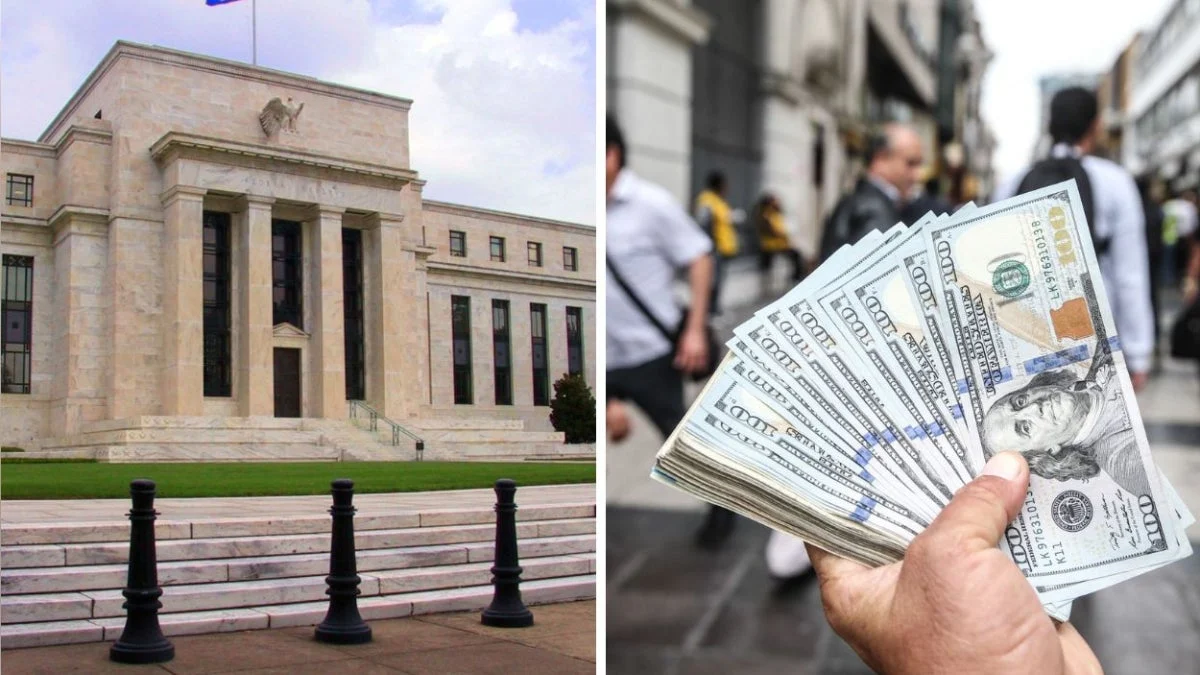
Peru does not exist in a vacuum. The U.S. Federal Reserve’s monetary policy is arguably the most significant external influence. When the U.S. raises interest rates, global capital tends to flow back to the United States in search of higher yields, causing the dollar to strengthen globally against emerging market currencies like the sol.
3. Domestic Confidence
The "risk premium" is a critical concept here. Investors constantly assess the stability of the Peruvian government. If there is legislative uncertainty, changes in fiscal policy, or social unrest, the perceived risk of holding Peruvian assets increases. Investors may pull their capital out, leading to a depreciation of the sol.
Supporting Data: Factors Behind the Numbers
Economic analysts look at several "macro-variables" to predict where the exchange rate is heading. These include:
- Trade Balance: The difference between exports and imports. A consistent trade surplus usually supports a stronger sol.
- Inflation Differentials: If inflation in Peru is significantly higher than in the United States, the purchasing power of the sol decreases, naturally leading to a higher exchange rate over the long term.
- Central Bank Reserves: The BCRP holds billions of dollars in reserves. Their ability to sell these reserves during a crisis is the "firewall" that keeps the exchange rate from spiraling during periods of panic.
Official Responses and Monetary Policy
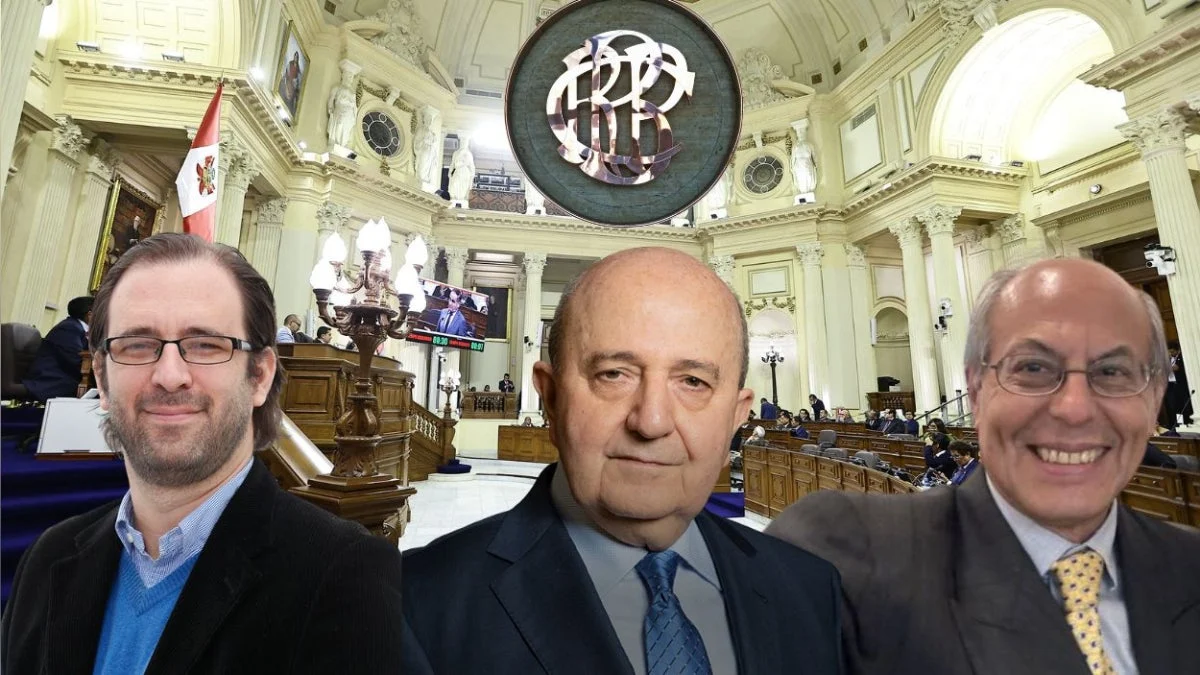
The BCRP, led by its board of governors, operates with a high degree of autonomy. Their primary mandate is to maintain price stability.
The BCRP Toolkit
When the BCRP observes "excessive volatility," they employ several tools:
- Direct Intervention: Selling dollars directly into the market to increase supply and dampen price spikes.
- Swap Operations: Managing liquidity in the banking system to prevent speculation against the sol.
- Communication Policy: Simply stating the Bank’s commitment to stability can often calm markets without a single dollar being sold, as it signals to speculators that the "house" is ready to defend the currency.
Officials often emphasize that they do not target a specific "price" for the dollar, but rather aim to smooth out the path to ensure that businesses can plan for the future without the fear of erratic currency movements.
Implications: How the Exchange Rate Affects You
Whether you are a corporate treasurer or a student planning a trip abroad, the exchange rate has real-world consequences.
For Businesses
Companies that rely on imported raw materials—such as fertilizers, machinery, or even components for food production—are directly impacted by the S/3.44 rate. A spike in the dollar translates to immediate cost increases, which are often passed on to the consumer, contributing to domestic inflation.
For Individuals and Savers
- Debt Management: Those with dollar-denominated mortgages or loans face increased pressure when the sol weakens. It is a fundamental rule of personal finance in Peru to match your debt currency with your income currency.
- The "Dollarization" of Savings: Many Peruvians keep their savings in dollars as a hedge against potential currency devaluation. While this provides security, it also means that fluctuations in the exchange rate can significantly alter one’s net worth in a matter of days.
- Purchasing Power: For those looking to travel or purchase imported consumer electronics, a lower dollar rate (a stronger sol) is beneficial. Conversely, a weak sol erodes the purchasing power of the average Peruvian salary in the international marketplace.
Conclusion: Navigating Future Uncertainty
The exchange rate of S/3.44 on this Tuesday in September is a reflection of a globalized, complex, and sometimes unpredictable economic reality. Understanding the "why" behind the numbers empowers citizens to make informed decisions.
As Peru continues to navigate the challenges of the 21st century—balancing the need for foreign investment with the requirement for domestic stability—the BCRP’s role will remain pivotal. However, the true strength of the economy lies in the collective understanding of its participants. By monitoring the factors that influence the dollar—from Federal Reserve meetings to local political developments—Peruvians can better prepare for the financial tides, ensuring that whether the dollar rises or falls, they are not caught unprepared.
In the end, the exchange rate is not just a number on a screen; it is the heartbeat of the Peruvian economy, reflecting our resilience, our challenges, and our place in the global financial order. For those who watch the market, the lesson is clear: volatility is the only constant, but knowledge is the best hedge against uncertainty.