Peru has achieved a historic milestone in its mining sector, marking a definitive transition toward international transparency and technical excellence. With the formal creation of the Peruvian Commission for Mineral Resources and Reserves (CPRRM), the country has unlocked the ability to directly certify professionals responsible for signing off on mineral resource and reserve reports destined for international stock exchanges, financial institutions, and global regulators.
This initiative, spearheaded by the Geological Society of Peru (SGP) and the Peruvian Institute of Mining Engineers (IIMP), aligns the nation with the rigorous standards of the Committee for Mineral Reserves International Reporting Standards (CRIRSCO). By establishing a robust local framework for certifying "Qualified Persons" (QP), Peru is not only professionalizing its internal talent pool but also significantly lowering the barrier for international investors to trust Peruvian mining data.
The Strategic Shift: Aligning with Global Standards
The mining industry operates on data transparency. For global markets, a mineral reserve report is the bedrock of valuation. Previously, Peruvian professionals often faced challenges in having their reports recognized globally without external oversight or complicated equivalency processes.
The creation of the CPRRM changes this dynamic entirely. The Commission will oversee the rigorous assessment of geologists and mining engineers, granting them the status of "Qualified Person" (QP). These professionals will be held to the highest international ethical and technical standards, ensuring that reports presented to entities like the Toronto Stock Exchange (TSX), the Australian Securities Exchange (ASX), or major global banks carry the weight and reliability of an internationally recognized certification.
A Seven-Year Journey to Compliance
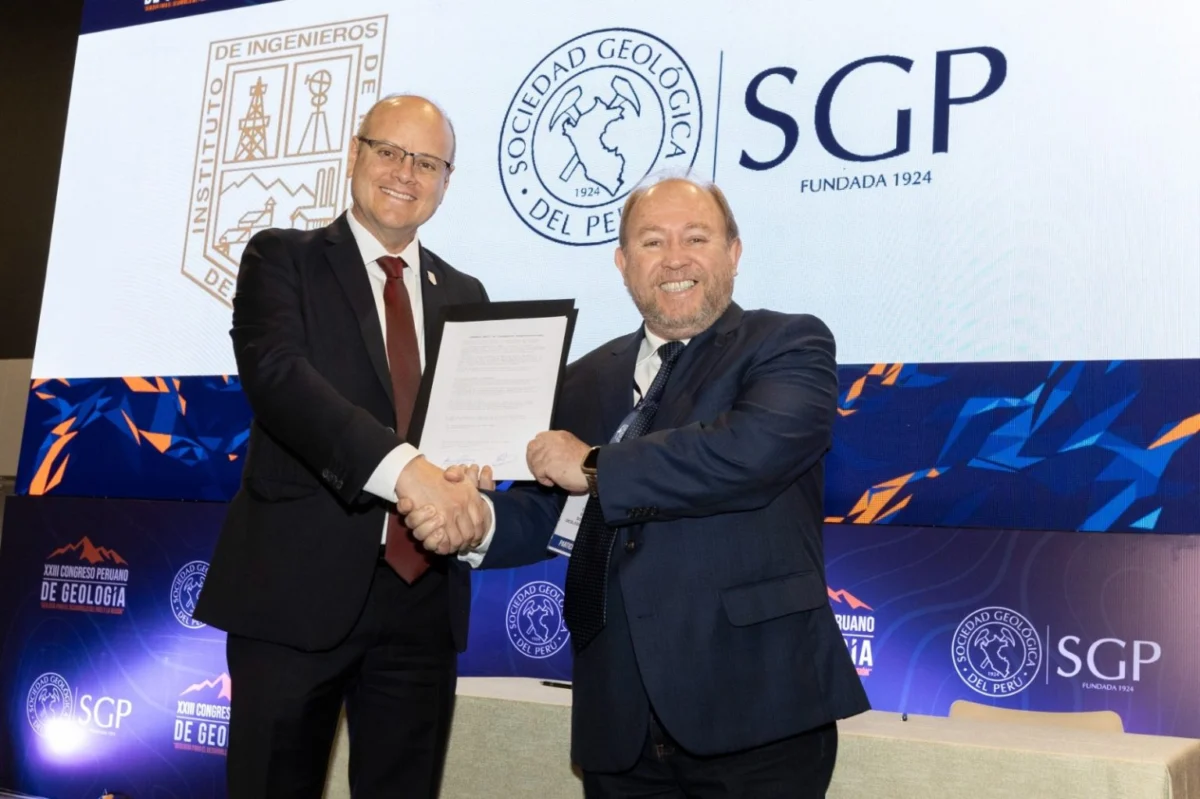
The road to this achievement was far from instantaneous. Carlos Bianchi, President of the SGP, noted that the path to this integration was a marathon of institutional alignment. "The effort to harmonize statutes and regulations to meet the stringent requirements of CRIRSCO lasted nearly seven years," Bianchi explained during the XXIII Peruvian Geological Congress 2026.
This long-term commitment culminated in Peru being formally recognized as the 17th member of CRIRSCO, a testament to the country’s dedication to upholding world-class technical benchmarks in geology and mining engineering.
Chronology of Institutional Development
The formalization of the CPRRM is the result of a deliberate, multi-year process of diplomacy and technical standardization.
- 2019–2025: The Harmonization Phase. Both the SGP and IIMP engaged in an exhaustive process of reviewing domestic regulations to ensure they were compatible with the CRIRSCO template. This involved internal restructuring, the updating of professional codes of ethics, and extensive dialogue with international observers.
- Early 2026: The Final Push. With the alignment nearing completion, leadership from both the SGP and IIMP intensified negotiations to create a joint body that would serve as the national authority for mineral reporting.
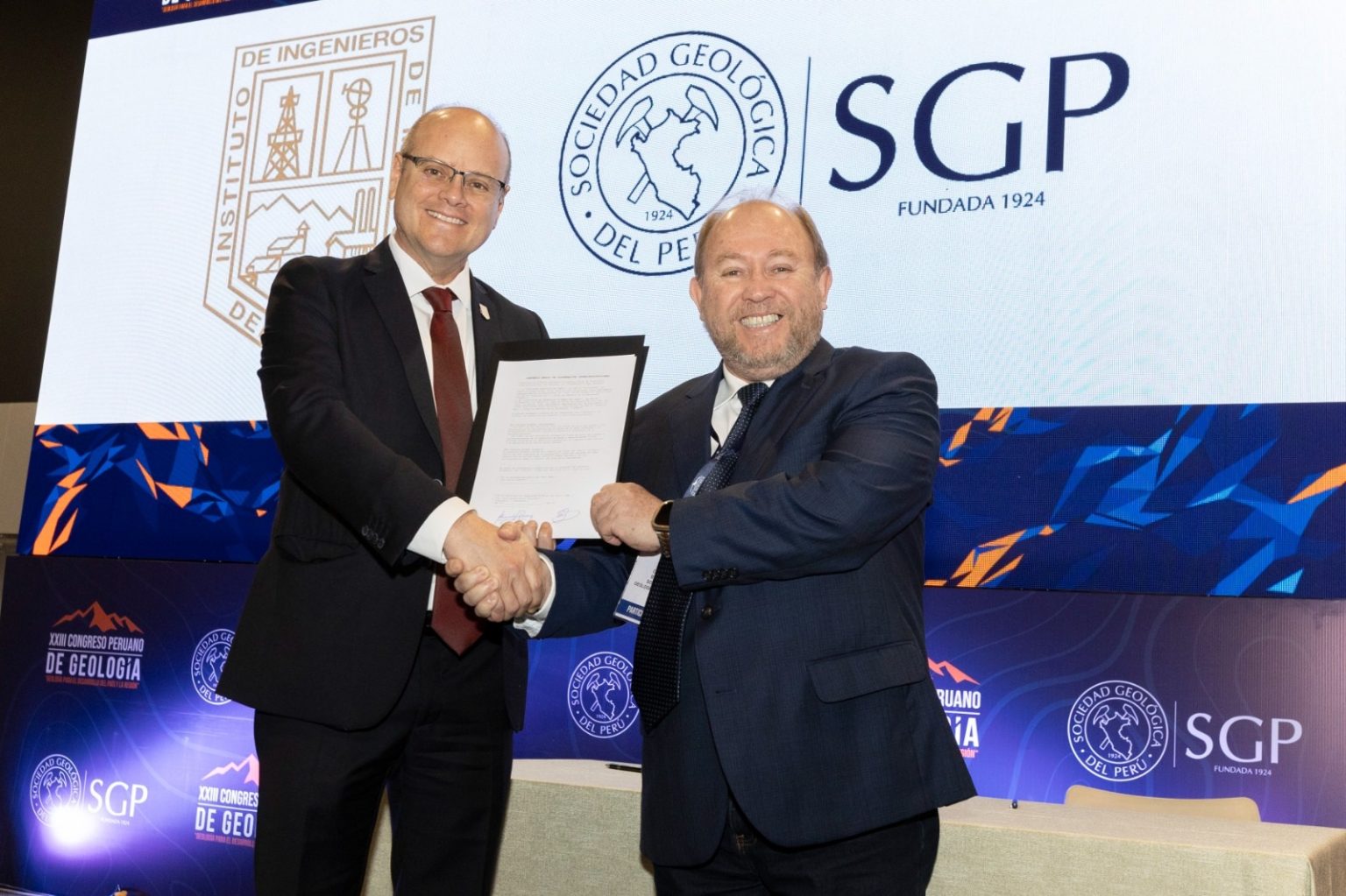
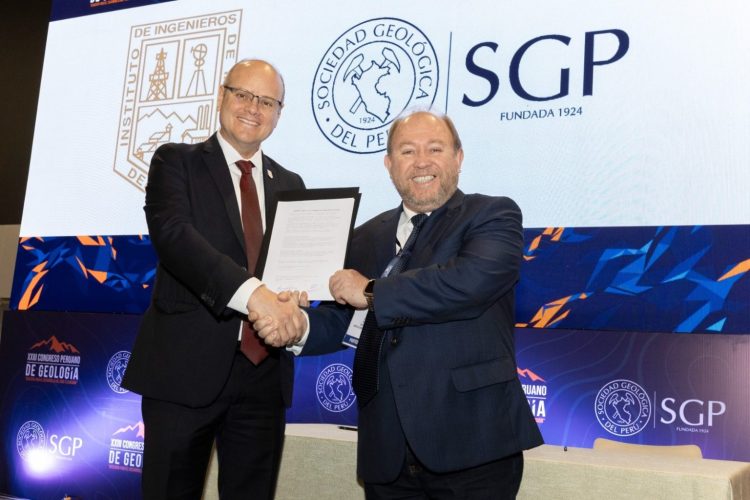
- September 2026: The XXIII Peruvian Geological Congress. The signing of the definitive agreement took place at this high-profile event, marking the official launch of the CPRRM. This moment solidified the alliance between the nation’s two most prestigious technical mining bodies.
Governance and Structure of the CPRRM
The organizational architecture of the CPRRM has been designed to ensure neutrality, expertise, and accountability. According to Juan Carlos Ortiz, President of the IIMP, the commission operates under a balanced governance model that draws from the best practices of international professional bodies.
The Governing Body
The commission is governed by a dual-layered management system:
- The Assembly: Comprised of eight members, with four representatives from the SGP and four from the IIMP. This ensures parity and shared responsibility between the geological and engineering communities.
- The Executive Board: A six-member body (three from each institution) tasked with the day-to-day strategic direction and administrative oversight of the commission.
Functional Committees
The effectiveness of the CPRRM rests on three specialized committees:
- Admission and Qualification Committee: Responsible for the rigorous vetting of applicants, ensuring that only those with the necessary experience and technical depth are granted the "Qualified Person" designation.
- Training Committee: This body implements a continuous improvement model. To maintain their license, QPs must prove a minimum number of hours of ongoing education and professional development, keeping them updated on the latest mining technologies and reporting regulations.
- Ethics and Disciplinary Committee: A crucial oversight body tasked with evaluating complaints regarding technical misconduct. This committee acts as the final arbiter of professional integrity, ensuring that any deviation from technical standards is addressed swiftly and transparently.
Implications: A New Era for Mining Investment
The launch of the CPRRM has immediate and long-term implications for the Peruvian economy, which remains heavily dependent on the mining sector.
Reciprocity Agreements
One of the most significant advantages of this new framework is the potential for international reciprocity. The CPRRM is actively pursuing agreements with its counterparts in mining-heavy jurisdictions such as Canada, Chile, and Colombia.
"The objective is for reports signed by Peruvian Qualified Persons to be seamlessly accepted in those markets," said Ortiz. This removes a major administrative hurdle for Peruvian firms expanding abroad and for foreign firms operating within Peru. Furthermore, the inclusion of Argentina as a future target for these agreements highlights the potential for a regional standard, positioning the Andean region as a unified, transparent destination for global capital.
Strengthening Institutional Credibility
By establishing the CPRRM, Peru is signaling to the world that it is a mature mining jurisdiction. The existence of an independent, self-regulating body to oversee mineral reporting reduces the "risk premium" often associated with emerging market data. Investors can now rely on a standardized, audit-ready reporting process that meets the requirements of the most stringent international regulatory bodies.
Official Responses and Strategic Vision
The leadership involved in the creation of the CPRRM emphasized that this is not just an administrative win, but a strategic imperative for the future of the country.
Carlos Bianchi (SGP) highlighted that the initiative is part of a broader vision to position geological knowledge as a cornerstone of national development. "We are not just talking about mineral reserves; we are talking about the foundation of sustainable territorial planning, disaster risk reduction, and the predictability of investments that drive the Peruvian economy," Bianchi stated.
Juan Carlos Ortiz (IIMP) echoed these sentiments, noting that the partnership between the SGP and the IIMP serves as a model for inter-institutional cooperation. By pooling the technical resources of the nation’s geologists and engineers, the sector is now better equipped to handle the challenges of modern, complex mining projects.
The Role of the XXIII Peruvian Geological Congress
The XXIII Congress, where this agreement was signed, served as a catalyst for this achievement. The event successfully gathered the country’s leading researchers and industry practitioners to address the intersection of resource management and national development. By prioritizing the standardization of reporting, the congress reinforced the SGP’s role as the primary technical advisor for the state and the industry.
The Path Forward: Challenges and Opportunities
While the launch of the CPRRM is a success, the work is only just beginning. The commission must now:
- Scale the Certification Process: Successfully process the first wave of applicants to build a critical mass of Qualified Persons.
- Maintain Ethical Standards: The success of the CPRRM will ultimately be judged by the public trust it earns. The Ethics and Disciplinary Committee must remain vigilant to ensure that the "Qualified Person" stamp remains a symbol of absolute technical integrity.
- Broaden Global Recognition: The diplomatic effort to secure reciprocity agreements with international partners will require sustained engagement and a clear track record of compliance with the CRIRSCO standards.
In conclusion, the creation of the Peruvian Commission for Mineral Resources and Reserves marks a coming-of-age for the Peruvian mining sector. By adopting the gold standard of international reporting, Peru has fortified its position as a global mining leader, promising a future of greater transparency, increased investment, and enhanced professional standards. As the nation continues to navigate the complexities of global resource demand, the CPRRM stands as a vital institution, ensuring that the wealth beneath the earth is measured, reported, and managed with the precision that the 21st-century global economy demands.