As global geopolitical tensions in the Middle East continue to roil international energy markets, Peru finds itself grappling with a significant inflationary shock in its fuel sector. With prices at wholesale and retail levels hitting record highs throughout 2026, the Peruvian government is under intense pressure to reconcile the realities of a global supply crisis with the domestic need for consumer protection.
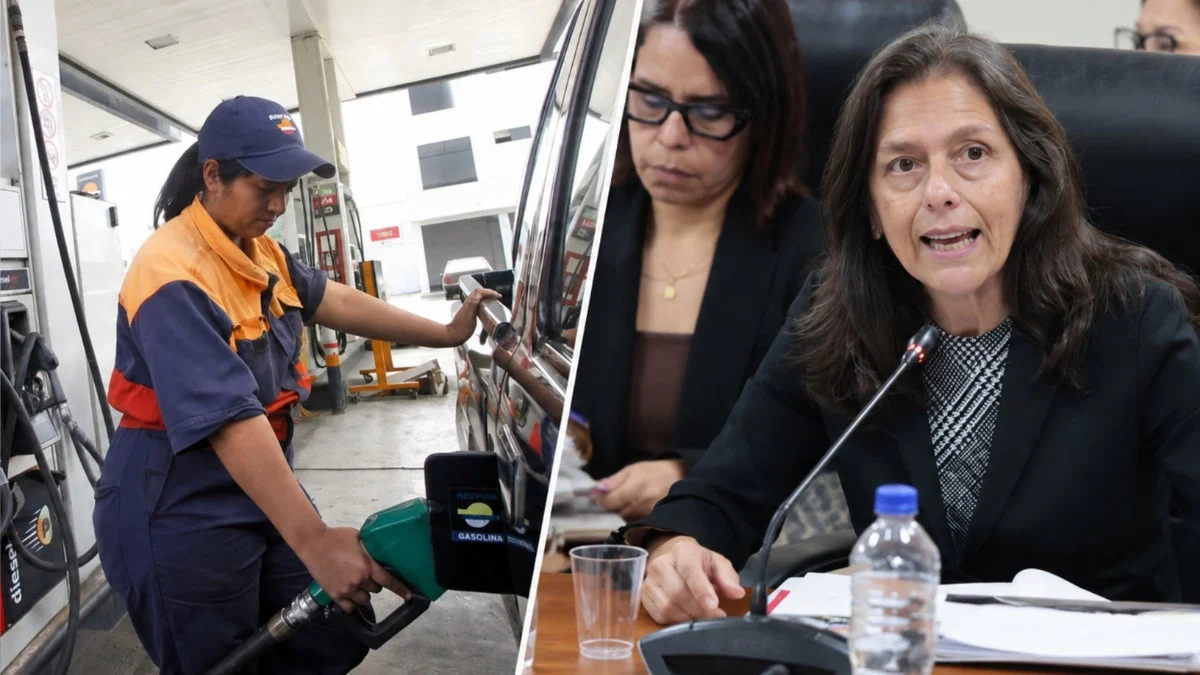
In a recent appearance before the Congressional Commission for Consumer Defense (CODECO), top officials from the National Institute for the Defense of Competition and Intellectual Property (Indecopi) and the Supervisory Body for Investment in Energy and Mining (Osinergmin) provided a detailed account of the factors fueling the current volatility and outlined the regulatory path forward.
The Core Conflict: External Pressure vs. Domestic Stability
The primary driver of the current fuel crisis is the unrelenting surge in international crude oil prices, which has been exacerbated by the prolonged conflict in the Middle East. According to Milagros Maraví Sumar, the head of Indecopi, there is currently no empirical evidence to suggest that the local price spikes are a result of artificial market manipulation, such as hoarding or speculative pricing by wholesalers or retailers.
Instead, the market is responding to a "perfect storm" of global uncertainty. As long as the geopolitical landscape remains unstable, the cost of importing fuel—a vital commodity for Peru’s transportation and logistics sectors—is expected to remain at elevated levels. This situation has created a profound ripple effect, affecting everything from public transit fares to the cost of consumer goods nationwide.
Chronology of the Crisis: From March to September 2026
To understand the current magnitude of the crisis, one must look at the trajectory of prices throughout the year:
- March 2026: The conflict in the Middle East escalates, triggering an immediate reaction in global energy markets. At this point, the baseline cost for fuels in Peru began its upward trend.
- April – June 2026: Wholesale prices began to climb steadily as importers struggled to manage the increased costs of barrels from the U.S. Gulf Coast, the primary benchmark for Peruvian fuel imports.
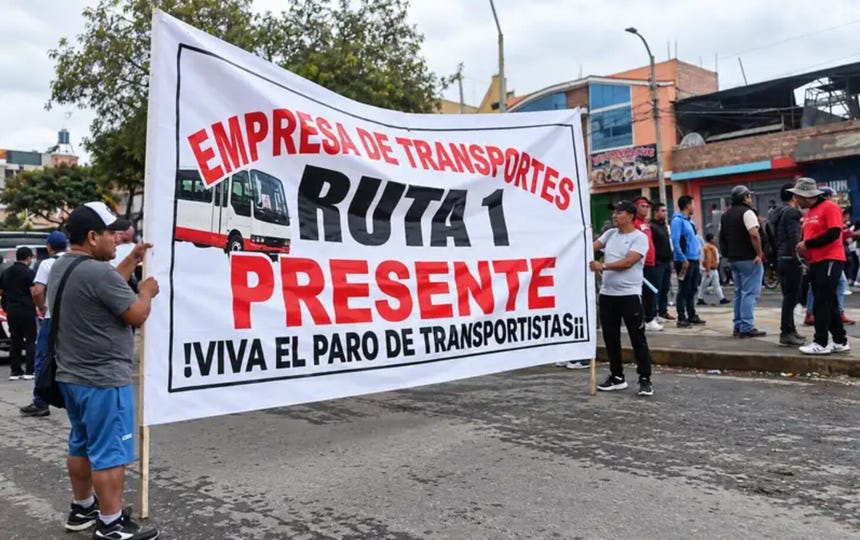
- July – August 2026: Public discontent began to mount. Transportation unions, particularly in southern regions like Tacna, started reporting that their operational costs had risen by nearly 90% since February, leading to localized protests.
- September 24, 2026: RPP data confirms that wholesale prices for Gasohol Premium and Regular reached their highest points of the year at the Callao plant.
- Late September 2026: Regulatory bodies, including Indecopi and Osinergmin, are summoned to Congress to explain the situation and present strategies for market oversight.
Supporting Data: The Anatomy of the Price Surge
The figures provided by market analysts highlight the severity of the financial burden currently placed on the Peruvian economy. When comparing prices from March 2026 to the current data from late September, the increases are stark:
Wholesale Price Increases (per gallon at Callao Plant):
- Gasohol Premium: Rose from S/15.33 to S/21.09, an increase of 37.6%.
- Gasohol Regular: Increased from S/13.82 to S/19.82, a jump of 43.4%.
- Diesel B5: The backbone of the national transportation system saw the most significant impact, rising from S/17.83 to S/25.42, a staggering 42.6% increase.
These numbers illustrate why the transport sector is reaching a breaking point. In cities like Tacna, transport workers have highlighted that while their costs have nearly doubled, the standard urban transit fare has remained stagnant at S/1 for four years. The union’s proposal to raise fares to S/2.40 has been met with stiff resistance from consumers, creating a socioeconomic impasse that the central government is struggling to mediate.
Official Responses: The Regulatory Strategy
Indecopi’s Role: Preparing for "Essential" Status
Milagros Maraví Sumar emphasized that Indecopi is working in lockstep with the Ministry of Energy and Mines (Minem) to draft a Supreme Decree that would declare the fuel market in a state of emergency. By classifying fuel as an "essential good," the government intends to grant Indecopi broader powers to investigate and sanction potential bad actors.
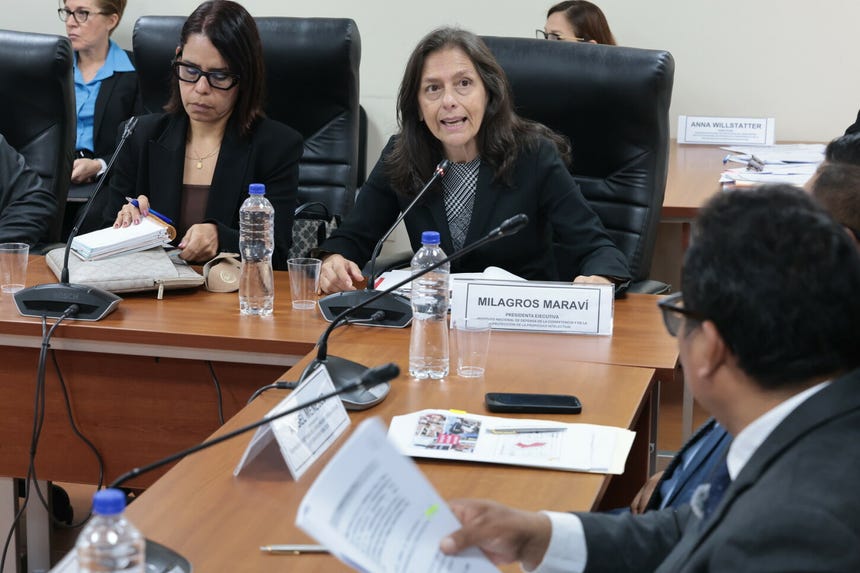
"While speculation and hoarding are already prohibited by law, the current regulatory framework requires more teeth to intervene effectively during periods of extreme volatility," Maraví noted. She added that an ongoing preliminary study of the fuel market—covering production, storage, and wholesale distribution—has already identified risks regarding the concentration of storage infrastructure, which the government intends to address to foster more robust competition.
Osinergmin: Enforcing Transparency
Omar Franco Chambergo, president of Osinergmin, underscored the agency’s commitment to consumer transparency. The focus has been on ensuring that "what you see is what you pay."
"Grifos (gas stations) are legally mandated to update their prices in real-time," Chambergo explained. "This information must be consistent across the ‘Totem’ (physical price board), the digital ‘Price’ platform, and the final receipt issued to the customer."
Osinergmin has been actively promoting the use of the "Facilito" platform, an application that allows users to compare prices and check fuel availability at nearby stations. Since March 2026, the app has been updated to include real-time stock indicators, helping to prevent panic buying and ensuring that consumers have access to the best available market price.
Global Context and Future Implications
The reliance on international benchmarks, specifically the U.S. Gulf Coast prices, means that Peru remains highly vulnerable to global trends. With Brent crude hovering around $108 per barrel and WTI near $95–$96, the pressure on the Peruvian Sol and domestic inflation remains high.
The implications of this crisis are multi-faceted:
- Economic Inflation: As transport costs rise, the cost of food and other essential goods will inevitably follow, further squeezing the purchasing power of the average Peruvian household.
- Social Instability: The protests in Tacna and other regions serve as a warning. If the government cannot provide a solution that balances fuel costs for providers and the public, further civil unrest is likely.
- Structural Reform: The findings by Indecopi regarding the concentration of storage infrastructure suggest that the current crisis may accelerate long-term structural reforms aimed at diversifying the supply chain and reducing reliance on a few dominant players in the fuel sector.
Conclusion: A Delicate Balancing Act
The Peruvian government is currently navigating a narrow path. On one side, it must respect the mechanics of a free market that is being buffeted by global supply shocks. On the other, it must protect citizens from potential opportunistic pricing while maintaining the viability of the critical transportation sector.
As the Ministry of Energy and Mines prepares the upcoming decree to declare the fuel market as a sector of essential importance, all eyes remain on the global stage. Only a de-escalation in the Middle East, or a significant shift in global oil production dynamics, is likely to offer true relief to the Peruvian consumer. Until then, the focus remains on rigorous oversight, data-driven transparency, and keeping the gears of the nation’s economy turning despite the global storm.