In a move described by the government as a balanced approach to social equity and economic sustainability, Peru’s administration has officially confirmed a structured adjustment to the national minimum wage, known as the Remuneración Mínima Vital (RMV). Starting October 1, 2026, the baseline monthly salary will climb from S/1,130 to S/1,230. This adjustment represents the first phase of a broader commitment made by President Keiko Fujimori, aimed at elevating the floor for low-income workers to S/1,300.
The decision follows extensive deliberations within the National Council of Labor (CNT), where government officials, union representatives, and private sector stakeholders ultimately reached a consensus. While the ultimate target of S/1,300 is agreed upon, the phased implementation strategy reflects the government’s caution regarding macroeconomic volatility, particularly the anticipated impacts of the El Niño weather phenomenon.
The Roadmap to S/1,300: A Phased Implementation
The government’s plan is bifurcated into two distinct phases, designed to cushion the impact on small businesses while ensuring that workers receive a tangible boost to their purchasing power.
Phase One: The October 2026 Adjustment
Effective October 1, the RMV will increase by S/100, reaching a new threshold of S/1,230. This initial jump is intended to provide immediate relief to the workforce amid persistent inflationary pressures. The government has framed this as a necessary step to protect the real wages of those at the bottom of the economic pyramid without destabilizing the labor market.
Phase Two: The Post-El Niño Stabilization
The second phase, involving an additional S/70 increase to reach the final goal of S/1,300, is slated for the first semester of 2027. Minister of Economy and Finance, Elmer Cuba, noted that the timing of this second increase is contingent upon the dissipation of the El Niño phenomenon, which is expected to ease by April or May of 2027. The formalization of this second step will require a new Supreme Decree, allowing the government to evaluate the fiscal landscape and the severity of climate-related disruptions before finalizing the hike.
Supporting the Backbone of the Economy: The Micro-Enterprise Subsidy
A critical component of this policy is the introduction of a "transitory bonus" designed to support micro-enterprises. Recognizing that abrupt increases in labor costs can strain smaller entities, the government is rolling out a targeted support package.
Scope and Reach
The initiative is set to benefit approximately 300,000 workers distributed across 144,000 micro-enterprises. The criteria for eligibility focus on companies with between 2 and 10 employees, which are historically the most vulnerable to shifts in operating costs.
The Mechanism of Assistance
To ensure that the increase in the minimum wage does not lead to layoffs or informality, the Ministry of Economy will provide a subsidy of S/100 per worker to qualifying firms during the month of October. This bridge funding is intended to allow businesses to adapt to the new payroll obligations, ensuring that the salary increase translates into actual take-home pay for the worker starting in November, without forcing small business owners into insolvency.
Minister Cuba justified the move by highlighting the current strength of the labor market. "This moment is the correct one because the labor market is performing robustly, hiring expectations are at their historical maximums, and this measure acts as a shield to prevent the erosion of salaries in the face of inflation," he stated.
Official Responses and Political Consensus
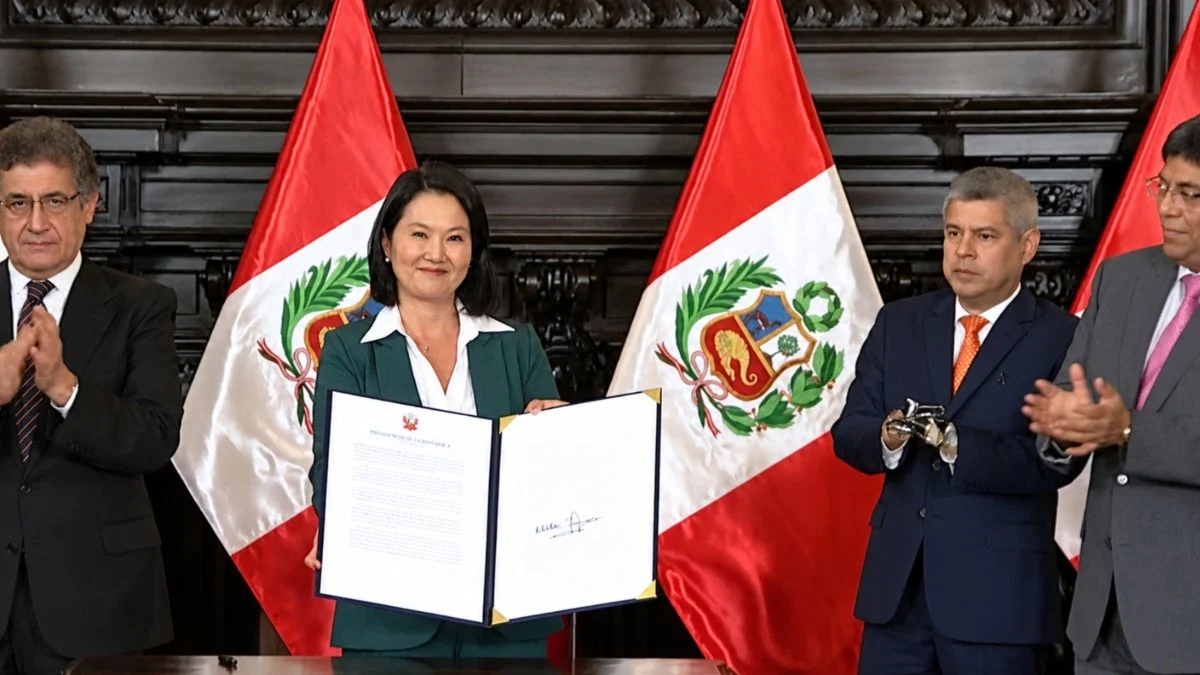
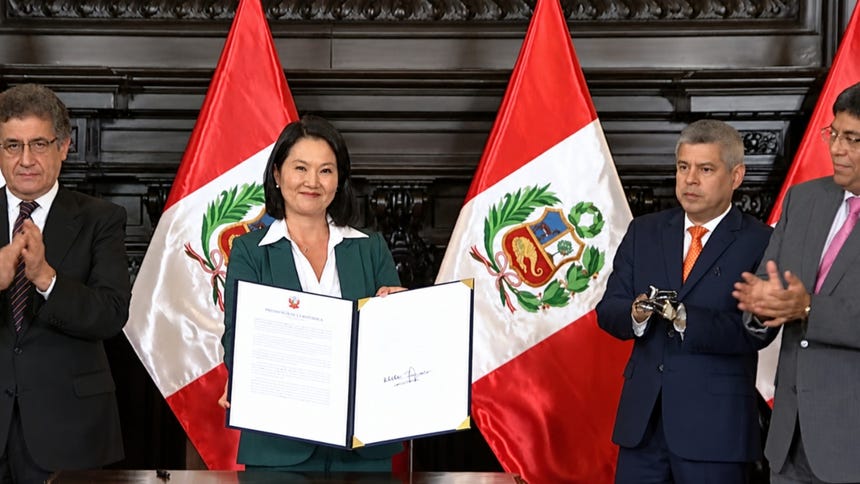
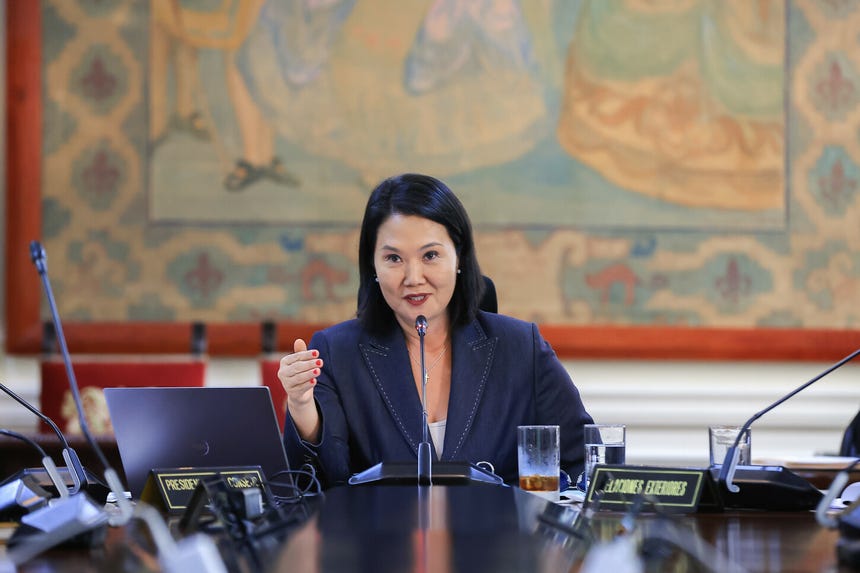
The announcement was met with a mix of cautious optimism and strategic support. During a press conference at the Government Palace, President Keiko Fujimori emphasized that the policy was the result of a unanimous agreement, a rare feat in the often-polarized landscape of Peruvian labor relations.
"This decision was approved unanimously. While there were discrepancies regarding the timeline, it carries the backing of all sectors—unions, the private sector, and the government," President Fujimori remarked. She underscored the government’s commitment to the "entrepreneurial spirit" of Peru, noting that the policy was crafted not only for the welfare of employees but also with the sustainability of micro and small enterprises (mypes) in mind.
Minister of Labor, Juan Sheput, addressed criticisms that the measure might be populistic. "This is not an improvised or populist measure. It is the result of rigorous economic studies and a long-term vision," Sheput asserted. He further dismissed concerns regarding the potential for an inflationary spiral, stating that the measured, phased approach would prevent the adjustment from overheating the economy. Instead, he framed the policy as a vital component of a broader effort to close social gaps and ensure that the nation’s economic growth is more equitably distributed.
Economic Implications: The Macro Context
The decision to raise the RMV comes at a complex time for the Peruvian economy. With global inflationary pressures affecting the cost of imported goods and domestic food prices susceptible to the cycles of El Niño, the government faces the challenge of managing household income without triggering wage-price spirals.
Impact on Inflation
Economic experts have long debated the impact of minimum wage hikes on inflation. The government’s decision to spread the increase over several months and provide direct subsidies to small businesses suggests a strategy of "mitigation over shock." By delaying the second phase until the climate risks of El Niño have subsided, the Ministry of Economy hopes to maintain price stability while providing a path to higher wages.
Labor Market Dynamics
The Peruvian labor market is characterized by high levels of informality. A common fear among economists is that raising the minimum wage too aggressively can push more workers into the informal sector, where labor protections are non-existent. By targeting the subsidy specifically at registered micro-enterprises, the government is attempting to provide an incentive for formalization rather than a catalyst for informal hiring.
Social Equity and Poverty Reduction
The primary justification for the hike remains the improvement of the standard of living for the lowest-paid deciles of the population. As the cost of living continues to rise, the current RMV of S/1,130 has been widely criticized as insufficient to cover the basic needs of a standard family. The climb to S/1,300 represents an effort to restore purchasing power lost to years of inflation and stagnation.
Looking Ahead: A Model for Future Policy?
The "Fujimori-Cuba" approach to wage setting—characterized by tripartite consensus and phased implementation—may serve as a blueprint for future economic interventions in Peru. By moving away from sudden, politically-driven adjustments toward a system that considers the input of both labor unions and business associations, the government is signaling a preference for predictability.
However, the success of this policy will ultimately be measured by its implementation. The logistical challenge of distributing the transitory bonus to 144,000 micro-enterprises will test the administrative efficiency of the state. Furthermore, the economic climate of 2027, particularly the severity of the aftermath of El Niño, will dictate whether the second phase of the increase can proceed as scheduled or if further adjustments will be required.
As October 1 approaches, both employers and employees are bracing for the transition. For the workers, the S/100 increase is a necessary relief; for the government, it is a delicate balancing act designed to foster economic growth while protecting the most vulnerable segments of the Peruvian workforce. Whether this serves as a sustainable model for the long-term or a temporary bridge will depend on the resilience of the Peruvian economy in the coming year.