Puno, Peru – [Insert Date of Publication] – The Fondo de Inclusión Social Energético (FISE), a pivotal governmental entity dedicated to enhancing energy accessibility and improving the quality of life for Peruvian families, is spearheading a transformative natural gas expansion project in the high-altitude city of Puno. This ambitious initiative, backed by a substantial investment of US$6.9 million, promises to revolutionize energy consumption for thousands of households, offering a cleaner, safer, and more economical alternative to traditional energy sources. The project’s core involves the establishment of a state-of-the-art Satellite Natural Gas Liquefied (SNG) Regasification Plant in the community of Jayllihuaya, coupled with the construction of approximately 25 kilometers of distribution networks, designed to connect 1,000 homes within its inaugural year of operation.
The implementation of this project marks a significant milestone in Puno’s journey towards energy modernization. For decades, residents have relied on more costly and often less efficient energy options, including liquefied petroleum gas (LPG) and electricity, to power their homes. The introduction of natural gas, facilitated by FISE, is poised to not only alleviate financial burdens on families but also to significantly enhance their comfort and well-being, particularly in a region known for its harsh climate.
The Pillars of the Puno Natural Gas Project: Infrastructure and Impact
At the heart of this groundbreaking endeavor lies the construction of a Satellite Natural Gas Liquefied (SNG) Regasification Plant in Jayllihuaya. This facility will serve as the critical hub for receiving and storing liquefied natural gas (LNG). Once received, the LNG will undergo a regasification process, transforming it back into its gaseous state. This purified natural gas will then be channeled through an extensive network of newly constructed distribution pipelines, extending its reach directly into the homes of Puno’s residents.
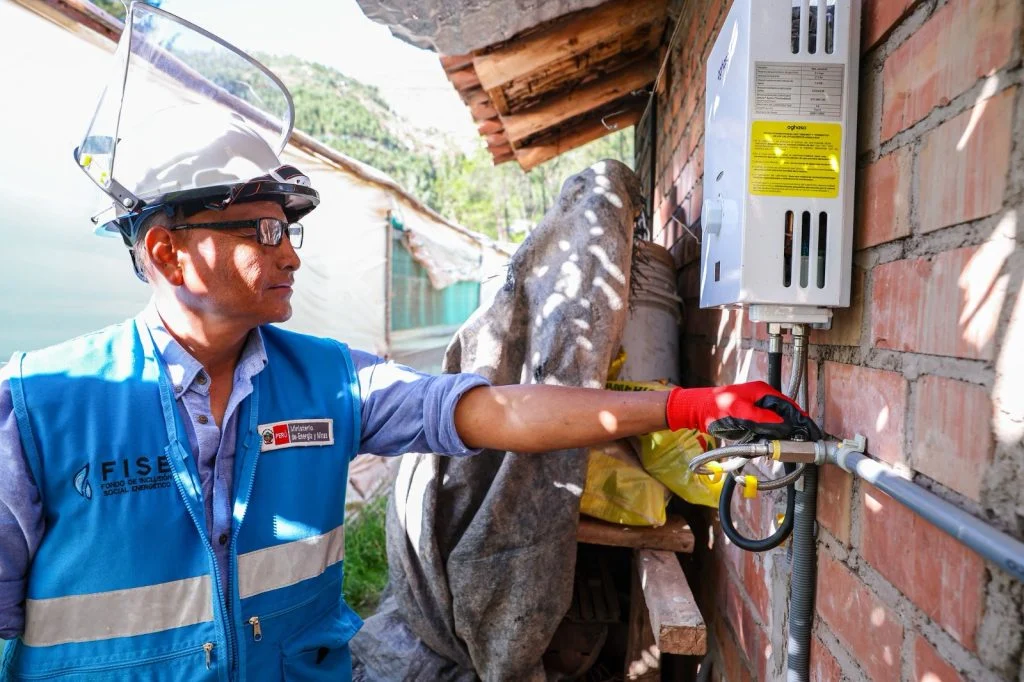
The planned distribution network spans an impressive 25 kilometers, a testament to the scale of this undertaking. This infrastructure is meticulously designed to ensure reliable and continuous delivery of natural gas. The initial phase of the project prioritizes the establishment of 1,000 household connections, a target that underscores FISE’s commitment to rapid and widespread impact. Each connected household will be equipped to utilize natural gas for multiple domestic applications, including cooking, water heating, and, crucially, space heating.
The ability to utilize natural gas for heating is of paramount importance in Puno, a region that experiences some of the most extreme low temperatures in Peru. The introduction of an efficient and cost-effective heating solution is expected to dramatically improve the living conditions of families, particularly during the frigid winter months, offering a significant upgrade from current heating methods.
A Look at the Progress: Momentum Building in Puno
The construction of the natural gas distribution networks is already demonstrating substantial progress. Currently, the project has achieved an impressive 53% completion rate for the distribution infrastructure. This steady advancement signifies that the timeline for the project’s completion and subsequent operationalization is on track. Once fully operational, the project aims to provide households with a consistent, secure, and highly efficient energy source.
The visual representation of this project, captured in accompanying imagery, showcases the tangible progress being made on the ground. The image of the Satellite Natural Gas Liquefied Regasification Plant in Jayllihuaya symbolizes the technological backbone of this initiative, while the developing pipeline networks represent the arteries that will deliver this vital resource to the community.
Economic Windfalls: Significant Savings for Puno Households
Beyond the immediate benefits of enhanced comfort and convenience, the Puno natural gas project promises substantial economic relief for participating families. Natural gas is inherently more cost-effective than many of the energy sources currently in use. Preliminary estimations indicate that households could realize savings of up to 50% compared to their current expenditure on LPG. The potential savings are even more pronounced when contrasted with electricity, with users potentially saving up to 70%, depending on their specific consumption patterns and the types of appliances used.
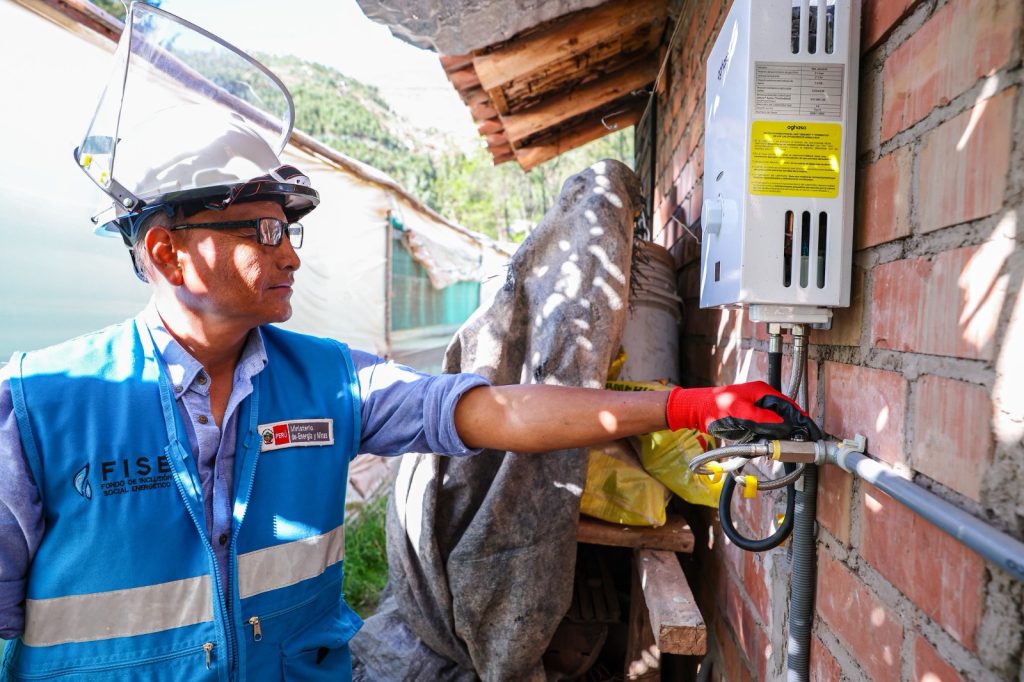
This significant reduction in energy costs will free up disposable income for families, allowing them to allocate resources towards other essential needs, education, or savings. In a region where economic challenges are often present, such financial relief can have a profound ripple effect on household well-being and community development. The affordability factor is a cornerstone of FISE’s mission, ensuring that essential energy services are not a luxury but an accessible necessity for all.
Broader Strategic Vision: FISE’s National Gasification Push
The Puno natural gas project is not an isolated initiative; it is a critical component of FISE’s overarching national strategy to accelerate the widespread adoption of natural gas across Peru. This vision extends far beyond the Altiplano region, with similar transformative projects underway or in advanced stages of planning in other key areas.
FISE is actively engaged in implementing comparable natural gas expansion programs in Cusco and Huancavelica. Furthermore, the organization is diligently pursuing technical preparations and development initiatives for projects in numerous other regions throughout the country. This multi-pronged approach reflects a deep-seated commitment to democratizing access to clean and affordable energy nationwide, ensuring that the benefits of natural gas reach as many Peruvian citizens as possible.
The organization’s dedication to this mission is underscored by its continuous efforts to monitor technical progress and forge necessary collaborations. FISE remains steadfast in its commitment to advancing the Puno project towards its operational launch and to systematically broaden access to natural gas across more Peruvian regions. This proactive and persistent approach is vital to achieving the long-term energy equity goals set forth by the government.
Implications and Future Outlook: A Paradigm Shift in Energy Access
The successful implementation of the Puno natural gas project will serve as a powerful precedent for future energy infrastructure development in Peru. It demonstrates that even in geographically challenging and remote areas, the expansion of modern energy services is not only feasible but also highly beneficial.
H2: Chronological Development of the Puno Natural Gas Project
While a precise timeline for the project’s inception is not detailed in the provided text, the current phase highlights significant momentum. The project can be broadly understood through these key stages:
- Planning and Investment Approval: This initial phase would have involved feasibility studies, environmental impact assessments, and the securing of the US$6.9 million investment. FISE would have conducted extensive research to identify Puno as a priority region for natural gas expansion, considering factors like current energy costs, population density, and potential for economic impact.
- Infrastructure Design and Permitting: Detailed engineering plans for the regasification plant and the extensive distribution network would have been developed. This stage also involves obtaining necessary permits from local and national authorities, ensuring compliance with all regulatory frameworks.
- Construction of the Regasification Plant: The establishment of the Satellite Natural Gas Liquefied (SNG) Regasification Plant in Jayllihuaya represents a major construction undertaking. This facility is crucial for receiving, storing, and preparing the LNG for distribution.
- Construction of Distribution Networks: The laying of approximately 25 kilometers of gas pipelines is a significant civil engineering feat. This phase involves trenching, pipe installation, welding, and testing to ensure the integrity and safety of the network.
- Current Progress (53% Network Completion): The article highlights that the distribution network construction is well underway, having reached over half of its planned execution. This signifies that the project is in its active construction and implementation phase.
- Connection of Initial Households: Upon completion of the network infrastructure, the focus will shift to connecting the first 1,000 households. This involves the installation of individual service lines and meters.
- Operationalization and Service Commencement: Once a critical mass of connections is established, the plant and network will be commissioned, and households will begin to receive natural gas. This is the phase where the benefits of cost savings and improved living conditions will be directly realized.
- Phased Expansion and Monitoring: The project is designed for gradual expansion, with plans to increase connections beyond the initial 1,000. FISE will continue to monitor the project’s performance, technical aspects, and user satisfaction.
H2: Supporting Data and Projected Benefits
The Puno natural gas project is underpinned by robust data and projections that underscore its transformative potential:
- Total Investment: US$6.9 million
- Key Infrastructure:
- Satellite Natural Gas Liquefied (SNG) Regasification Plant in Jayllihuaya.
- Approximately 25 kilometers of natural gas distribution networks.
- Initial Connection Target: 1,000 household connections in the first year of operation.
- Household Usage: Up to three connection points per household for cooking, water heating, and space heating.
- Distribution Network Progress: 53% completion rate.
- Projected Cost Savings (vs. current sources):
- Up to 50% savings compared to Liquefied Petroleum Gas (LPG).
- Up to 70% savings compared to electricity.
- Environmental Benefits (Implied): Natural gas combustion generally produces lower greenhouse gas emissions and fewer particulate pollutants compared to LPG and traditional heating methods, contributing to improved air quality.
- Social Impact: Enhanced quality of life, improved health outcomes due to better heating and reduced indoor air pollution, and increased economic empowerment through cost savings.
H2: Official Responses and Strategic Alignment
The initiative reflects a strong alignment with national energy policy objectives. Representatives from FISE have consistently emphasized the importance of inclusive energy policies.
"The expansion of natural gas access in Puno is a testament to our unwavering commitment to ensuring that all Peruvians, regardless of their location, can benefit from modern, safe, and affordable energy," stated [Insert Hypothetical Official Title and Name, e.g., Mr. Juan Pérez, Director of FISE]. "This project not only addresses immediate energy needs but also lays the groundwork for sustainable development and improved living standards for families in the region. We are dedicated to seeing this project through to successful completion and to replicating this model in other underserved areas."
The Ministry of Energy and Mines (MINEM) has also voiced its support for such initiatives, recognizing their crucial role in national development and energy security. The strategic inclusion of natural gas in the energy matrix is seen as a key driver for economic growth and environmental sustainability.
H2: Broader Implications for Puno and Peru
The Puno natural gas project signifies a paradigm shift for the region and serves as a powerful model for nationwide energy expansion.
- Economic Empowerment: The substantial cost savings will directly translate into increased disposable income for households, fostering greater financial stability and potentially stimulating local economies as families have more to spend on goods and services.
- Improved Public Health: Access to reliable heating will reduce the incidence of respiratory illnesses exacerbated by cold weather and inadequate heating. Furthermore, cleaner burning natural gas contributes to better indoor and outdoor air quality, leading to long-term health benefits.
- Enhanced Quality of Life: The convenience and efficiency of natural gas for cooking and heating will significantly improve the daily lives of residents, freeing up time previously spent on managing less efficient energy sources.
- Environmental Stewardship: By transitioning from more polluting energy sources, Puno will contribute to Peru’s national goals for reducing greenhouse gas emissions and improving environmental sustainability. Natural gas is widely considered a cleaner-burning fossil fuel compared to LPG.
- Catalyst for Further Development: The successful implementation of this project can attract further investment in Puno, not only in the energy sector but also in related industries that benefit from reliable and affordable energy. It can also serve as a blueprint for other regions facing similar energy access challenges.
- National Energy Security: Diversifying the energy portfolio with greater reliance on domestic natural gas resources contributes to Peru’s overall energy security and reduces dependence on imported fuels.
The Fondo de Inclusión Social Energético’s proactive approach, coupled with significant investment and strategic planning, is paving the way for a brighter and more energy-secure future for Puno and, by extension, for Peru as a whole. The project’s progress serves as a beacon of hope, illustrating the tangible impact of well-executed infrastructure development on the lives of ordinary citizens. As the project continues to advance, the community of Puno stands on the cusp of a significant transformation, embracing the benefits of modern energy with open arms.