Executive Summary: A Strategic Push for Road Infrastructure
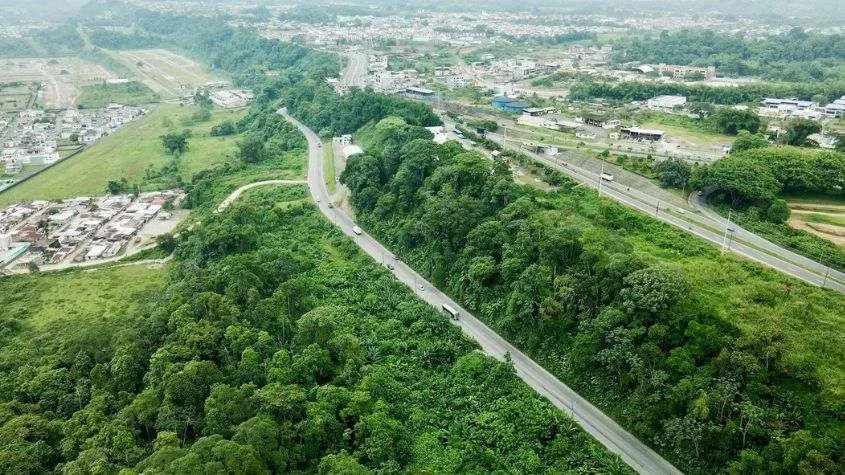
The government of Bolivia is intensifying its efforts to secure a critical financial injection of US$ 75 million from the Financial Fund for the Development of the Plata Basin (FONPLATA). This strategic funding is earmarked for a comprehensive "Emergency Plan" designed to rehabilitate and maintain essential transport corridors across the country, with a specific focus on the vital Valles Cruceños region in the department of Santa Cruz.
As the country faces ongoing challenges regarding the degradation of its road networks—often exacerbated by seasonal weather patterns and heavy transit—the government views this loan as a cornerstone of its broader infrastructure agenda. While the negotiation phase for the contract between the Viceministry of Public Investment and External Financing (VIPFE), the Bolivian Highway Administration (ABC), and FONPLATA has been formally approved, the process remains in a transitional state awaiting final ratification from the FONPLATA board of directors.
Chronology of the Negotiation Process
The path to securing these funds has been characterized by high-level diplomatic and administrative coordination. The timeline of recent developments highlights the urgency with which the administration is treating the infrastructure crisis:
- Early September 2026: The Bolivian government initiates intensified high-level talks with representatives of FONPLATA to address the funding gap for regional road maintenance.
- Mid-September 2026 (The Approval): A pivotal breakthrough occurs when the "Loan Contract Negotiation for the Emergency Plan" is formally authorized. This agreement covers the total envelope of US$ 75 million intended for nationwide road resilience.
- The Santa Cruz Dialogue: Immediately following the agreement, Minister of Public Works, Mauricio Zamora, conducts a series of regional outreach meetings. His meeting with transport unions in Santa Cruz served to reassure stakeholders that the funds would directly benefit the Valles Cruceños.
- Current Status: The government is currently navigating the final regulatory requirements. Minister Zamora has publicly committed to accelerating the process, with the ambition of delivering a definitive announcement regarding the availability of funds by September 24, a date of significant symbolic importance for the Santa Cruz region.
Supporting Data: Breaking Down the $120 Million Bolivian Bolivar (Bs) Allocation
While the total loan facility is valued at US$ 75 million, the immediate priority for the Valles Cruceños is an allocation of Bs 120 million (approximately US$ 17.2 million). This capital is specifically categorized for:
- Preventive Maintenance: Targeted repairs on asphalt and dirt roads that have suffered from structural fatigue.
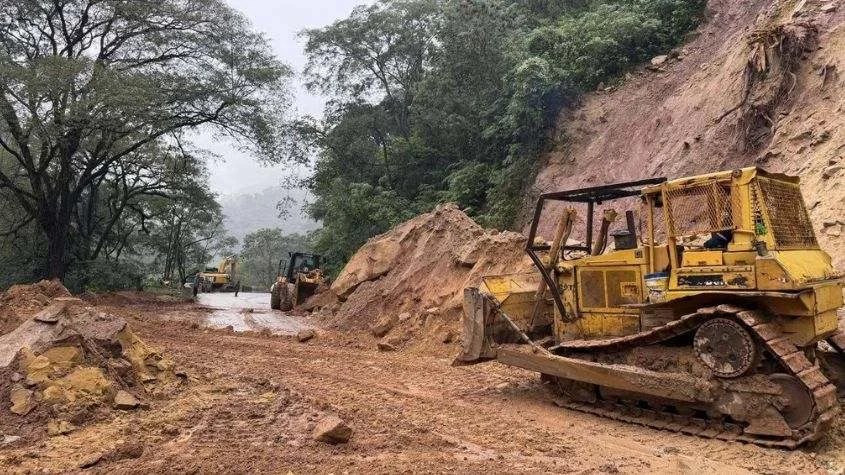
- Emergency Reconstruction: Clearing and reinforcing road segments prone to landslides or flood damage during the impending rainy season.
- Logistical Efficiency: Reducing transit times for agricultural produce moving from the Valles to the primary urban centers in Santa Cruz.
The reliance on FONPLATA underscores Bolivia’s strategy of leveraging multilateral development banks to fill budget gaps caused by fiscal constraints. By focusing on the "Emergency Plan," the ABC aims to avoid the much higher long-term costs associated with total road reconstruction should current maintenance be deferred.
Official Responses and Stakeholder Engagement
The administration’s approach has been defined by a concerted effort to manage expectations while demonstrating transparency. Minister Mauricio Zamora has positioned himself at the center of this dialogue.

"We have to comply with all established technical and administrative requirements," Zamora noted during his recent summit with the transport sector in Santa Cruz. "However, the relationship with FONPLATA is robust. I am personally committing to making every effort so that by the 24th of September, we can inform the public that these funds are fully secured and ready for deployment."
This outreach follows a pattern of intense regional activity. Just 24 hours prior to his meeting in Santa Cruz, Minister Zamora engaged in similar discussions with mayors, council members, and indigenous authorities from North Potosí. These meetings serve a dual purpose: gathering ground-level data on the most critical infrastructure bottlenecks and ensuring that the public remains informed about the progress of external financing negotiations.
The transport sector, which acts as the primary user and beneficiary of these roads, remains the most vocal advocate for this funding. Representatives of the Santa Cruz transport unions have expressed that the maintenance of the Valles Cruceños routes is not merely a matter of convenience, but a fundamental requirement for the economic survival of local farmers and commerce.
Implications: Why the Valles Cruceños Matter
The Valles Cruceños region is the agricultural heartland of the department. It supplies a vast majority of the fresh produce consumed in the metropolitan area of Santa Cruz de la Sierra. The implications of this funding go far beyond simple road repair; they touch upon the core of Bolivia’s food security and regional economic stability.
1. Economic Connectivity
Poor road conditions lead to increased vehicle maintenance costs for transporters, which inevitably translates into higher prices for consumers. By securing the Bs 120 million for maintenance, the government hopes to stabilize transport costs, effectively acting as an anti-inflationary measure for basic goods.
2. Resilience Against Climate Change
Bolivia’s geography, particularly in the Andean and sub-Andean regions, is highly susceptible to climate-related road failures. The "Emergency Plan" is designed as a proactive rather than reactive mechanism. By reinforcing drainage systems and shoring up embankment stability before the heavy rains, the government aims to prevent the total closure of trade routes that historically occur during the peak of the wet season.

3. Political and Social Stability
For the current administration, the delivery of infrastructure is a key performance indicator. In regions like Santa Cruz, where regionalism and the demand for infrastructure development are politically charged, the successful procurement of the FONPLATA loan would serve as a significant political victory. It demonstrates an ability to attract foreign capital and apply it to tangible, high-impact public works.
Challenges Ahead: The Road to Final Ratification
Despite the optimism expressed by Minister Zamora, the path to the final disbursement is not without its hurdles. The "visto bueno" (approval) from the FONPLATA board of directors is a rigorous process. The board must be satisfied that:
- Environmental and Social Safeguards: The proposed road works meet international standards for environmental impact.
- Fiduciary Responsibility: The mechanisms for allocating the US$ 75 million are transparent and resistant to administrative mismanagement.
- Sustainability: The project includes a long-term plan for the maintenance of the infrastructure once the emergency repairs are completed.
Furthermore, the government must balance these international requirements with the pressure from domestic stakeholders who expect immediate action. Any delay beyond the September 24th target could lead to frustration among the transport unions, who are already grappling with the degradation of the current road network.
Conclusion: A Critical Juncture
The negotiation for the US$ 75 million FONPLATA loan represents a critical juncture for Bolivia’s infrastructure strategy. As the country looks to modernize its transport corridors, the ability to secure and effectively deploy multilateral financing will be the litmus test for the government’s operational efficiency.
While the administrative gears of FONPLATA turn, the eyes of the Santa Cruz region remain fixed on the promise of better roads. Whether or not the government hits its September 24th deadline, the underlying necessity of this infrastructure project remains undeniable. For the farmers of the Valles Cruceños and the transporters who bridge the gap between rural production and urban consumption, the arrival of these funds is not just a fiscal transaction—it is an essential investment in the nation’s future connectivity.
As the situation unfolds, the Ministry of Public Works will need to maintain its high-level diplomatic pace to ensure that the bureaucratic requirements do not overshadow the urgent physical needs on the ground. The coming weeks will determine if this ambitious plan translates into the physical revitalization of Bolivia’s vital transport arteries.