Lima, Peru – [Insert Date] – In a decisive move to cushion the economic impact of escalating fuel costs on a vital segment of public transportation, the Peruvian government has officially established a temporary economic subsidy for mototaxi drivers operating in the Amazonian departments of Loreto, Ucayali, and Madre de Dios. This extraordinary measure, formalized through Supreme Decree No. 011-2026, aims to provide immediate relief to thousands of drivers whose livelihoods are intrinsically linked to the fluctuating global oil market.
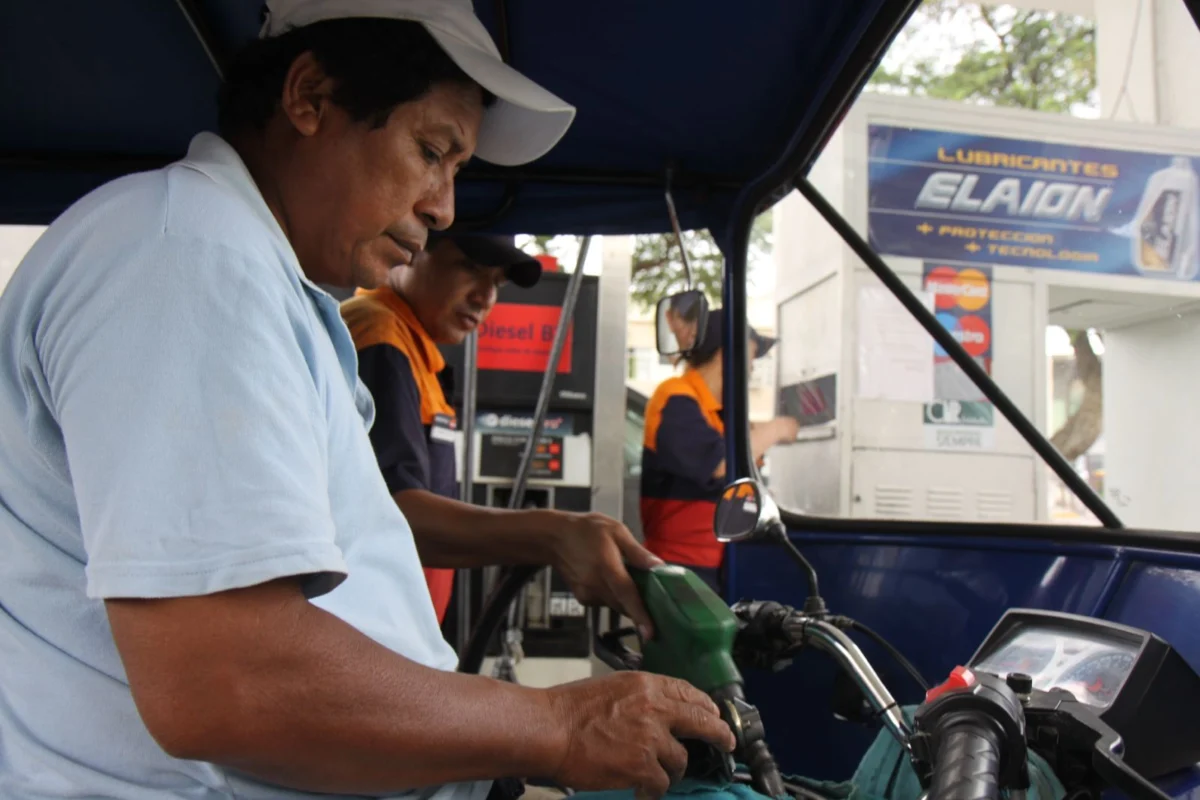
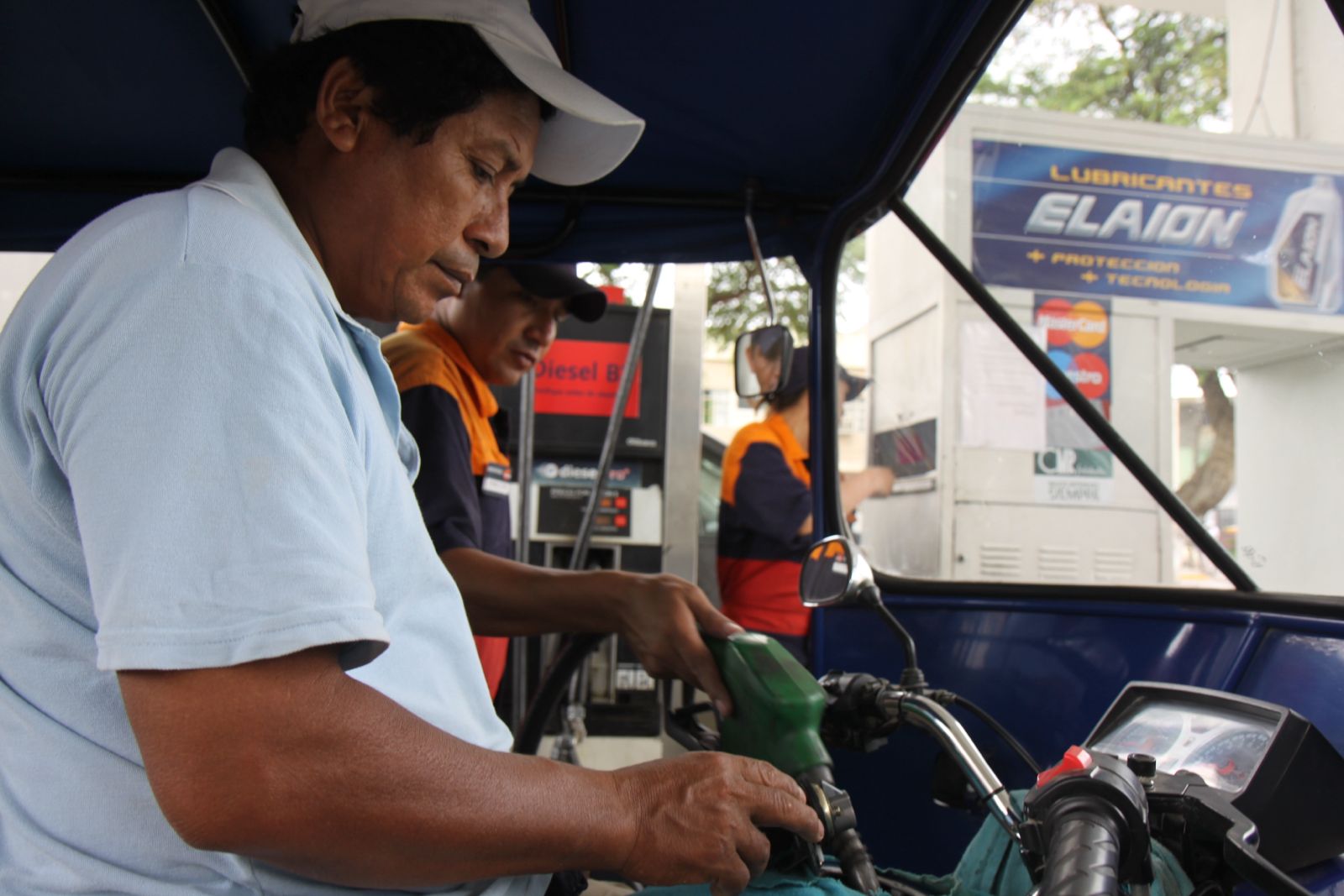
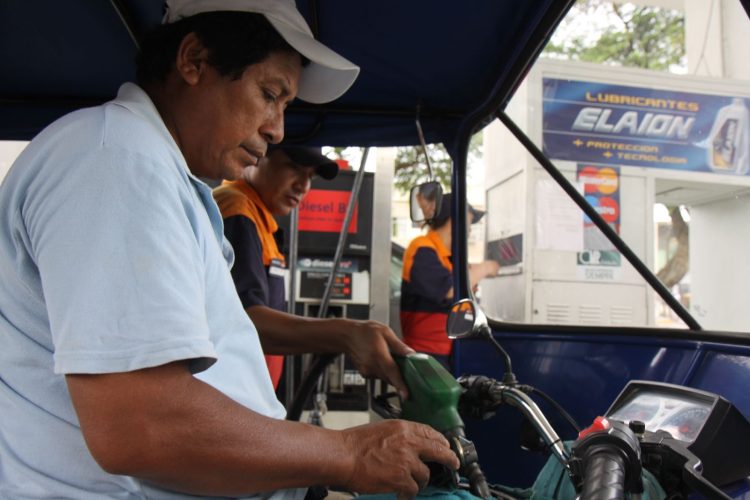
The subsidy, which commenced immediately following its publication in the official gazette El Peruano, offers a direct financial benefit of S/ 4 for every gallon of gasoline or gasohol purchased. This support is capped at a maximum of S/ 100 per driver per month, providing a predictable and tangible aid for a period of three months. This initiative underscores the government’s recognition of the critical role mototaxis play in the daily mobility of citizens in these strategically important, yet geographically dispersed, regions.
The Economic Conundrum: Fuel Volatility and its Ripple Effect
The rationale behind this targeted intervention is rooted in the observable and significant volatility of international fuel prices. These fluctuations, largely attributed to complex geopolitical conflicts and their subsequent impact on global supply chains, have inevitably translated into higher costs at the pump across Peru. For mototaxi drivers, who rely on these fuels for their daily operations, this surge represents a direct threat to their income and the sustainability of their businesses.
The government’s decree explicitly acknowledges this challenge, stating the necessity for a "focused, temporary, and traceable measure that partially compensates for the extraordinary increase in fuel costs." This phrasing highlights a deliberate strategy to provide assistance without creating long-term fiscal dependencies, while ensuring accountability and transparency in the distribution of funds. The chosen approach seeks to strike a delicate balance between offering immediate relief and maintaining fiscal prudence.
Eligibility Criteria: Ensuring Targeted and Fair Distribution
To ensure the subsidy reaches its intended beneficiaries and to maintain a high degree of integrity, strict eligibility criteria have been established. Drivers seeking to benefit from this program must possess a vehicle classified as a Category L5, commonly known as a mototaxi. Furthermore, the vehicle must be registered with a unique national vehicle identification plate (Placa Única Nacional de Rodaje).
Individual drivers are required to present a valid National Identity Document (DNI). A crucial component of the eligibility framework is the possession of a valid Class B, Category II-C driver’s license, specifically designated for operating this type of vehicle. Equally important is the requirement for valid compulsory third-party liability insurance (SOAT) or a valid certificate against traffic accidents (CAT). These prerequisites are designed to ensure that only legitimate and properly licensed mototaxi operators, operating insured vehicles, receive the support. The decree also stipulates that drivers must adhere to any other conditions stipulated within the official ruling, allowing for future adjustments or clarifications as needed.
The Technological Backbone: MEF and Banco de la Nación’s Role
The implementation and administration of this subsidy program are spearheaded by the Ministry of Economy and Finance (MEF), in collaboration with the Banco de la Nación. The MEF is tasked with developing and deploying a sophisticated digital application designed to streamline the entire process. This application will serve as the central hub for registering and validating eligible drivers, thereby ensuring that only those who meet the stipulated requirements are enrolled in the program.
Once drivers are validated, the application will facilitate the precise calculation of the individual subsidy amounts. The actual disbursement of these funds will be directly managed by the Banco de la Nación, a state-owned financial institution known for its extensive network and its role in administering government social programs. This dual-pronged approach, leveraging the MEF’s technological expertise and the Banco de la Nación’s operational capacity, aims to ensure an efficient and secure distribution of the economic aid.
The Application Process: Transparency and Traceability in Action
Beneficiaries will be required to actively participate in the subsidy distribution process through a user-friendly online platform or a designated web form. This platform will serve as the primary channel for drivers to register their fuel purchases. The recorded transactions will be meticulously reviewed and utilized for the calculation of the subsidy amount.
Crucially, all fuel purchases intended for subsidy claims must be supported by electronic payment receipts. This requirement is a cornerstone of the program’s traceability, allowing for independent verification of expenditures. Furthermore, these purchases must be made at authorized fuel stations, as certified by the National Superintendency of Public Registries (Osinergmin). This measure not only enhances accountability but also ensures that the subsidy is utilized for its intended purpose – supporting the operational costs of mototaxis. The emphasis on electronic receipts and authorized vendors aims to minimize the potential for fraud and ensure that public funds are allocated responsibly.
Broader Implications: Sustaining Essential Services and Economic Stability
The introduction of this subsidy extends beyond merely alleviating individual financial burdens. It represents a strategic effort to safeguard the continuity of the mototaxi service, which is undeniably a cornerstone of public transportation infrastructure in Loreto, Ucayali, and Madre de Dios. In these regions, mototaxis often serve as the primary, and sometimes only, mode of transport for a significant portion of the population, connecting communities, facilitating commerce, and providing essential access to services.
The economic stability of thousands of driver families is directly tied to the viability of their mototaxi operations. By mitigating the impact of rising fuel costs, the government is not only supporting individual livelihoods but also ensuring the uninterrupted provision of a vital public service. This, in turn, contributes to the broader economic activity within these departments, preventing a potential downturn in local commerce and daily life that could arise from a disruption in transport services.
The government’s proactive stance in addressing the fuel price crisis through this targeted subsidy demonstrates a commitment to understanding and responding to the specific needs of its citizens. As the global economic landscape continues to present challenges, such timely and well-defined interventions will be crucial in maintaining social cohesion and economic resilience, particularly in regions that are often at the periphery of national economic development. The success of this program will likely be measured not only by the direct financial relief provided but also by its ability to sustain the essential mobility services that underpin the daily lives of countless Peruvians.