In a proactive effort to fortify regional infrastructure against the looming threats posed by climate volatility, the province of Huarmey has launched a critical desilting and maintenance campaign on the Huarmey River. This initiative, born from a synergistic partnership between the public and private sectors, aims to mitigate the catastrophic potential of intense rainfall and the hydrological surges often associated with the El Niño phenomenon.
By clearing the river’s channel, authorities are working to ensure that the water flow remains controlled, thereby protecting vulnerable urban zones, vital agricultural lands, and essential infrastructure from the devastating impact of potential flooding.
The Pillars of the Partnership: A Multi-Stakeholder Approach
The intervention is a textbook example of "cogestion" (co-management), where the combined resources and expertise of multiple stakeholders are leveraged to address a shared risk. The operation is anchored by three primary pillars:
- The Ministry of Housing, Construction, and Sanitation (MVCS): Serving as the technical engine of the project, the Ministry has provided the heavy machinery essential for the large-scale movement of earth and sediment.
- The Municipalidad Provincial de Huarmey: Acting as the territorial lead, the local government coordinates the logistics and site-specific operations, ensuring that the work aligns with the needs of the local population and adheres to regional safety protocols.
- Antamina: As a key private sector contributor, Antamina provides the critical logistical support, specifically the fuel required to keep the heavy machinery operational throughout the duration of the project.
This tripartite agreement underscores the efficacy of public-private cooperation. In regions where municipal budgets may be constrained, the ability to pool resources—machinery from the central government, logistical coordination from local authorities, and operational fuel from industry partners—creates a force multiplier that is essential for proactive disaster risk management.
Chronology and Scope of the Intervention
The project, which is scheduled for a 30-day execution window, targets a high-risk sector of the Huarmey River. The specific area of focus spans approximately 250 meters, beginning at the Pan-American Highway near the "puente nuevo" (new bridge) and extending downstream toward the coast.
Phase 1: Mobilization and Initial Clearing
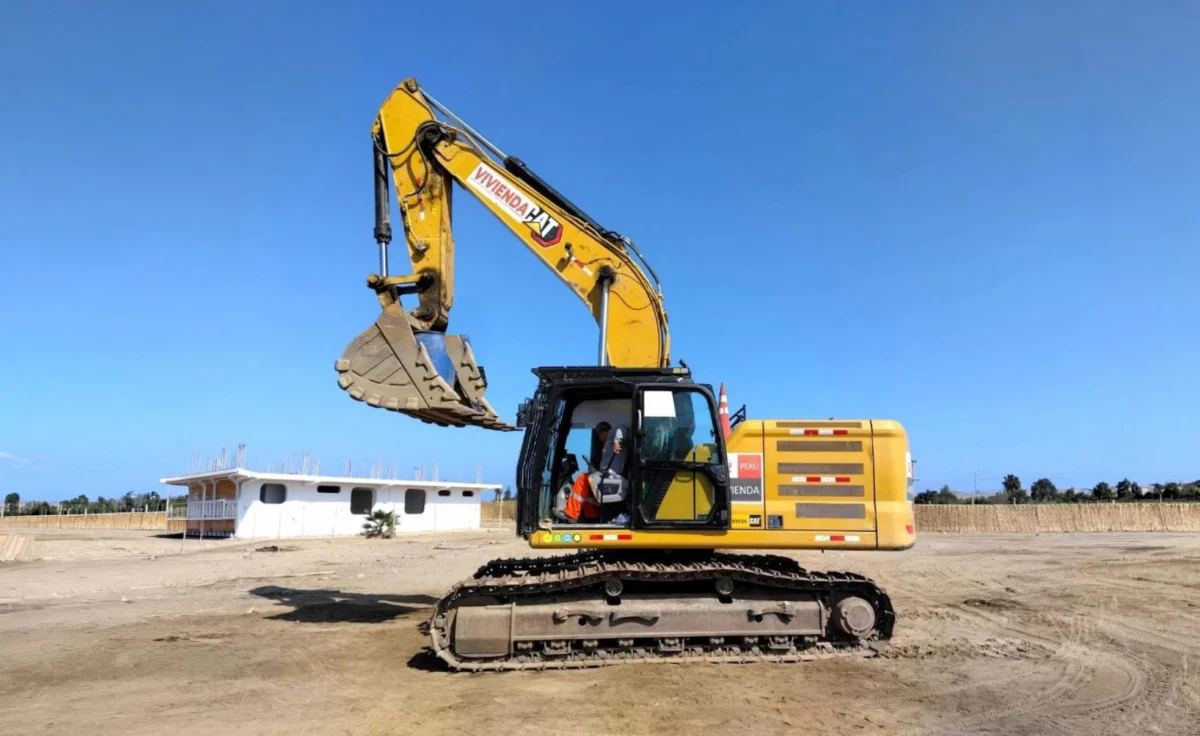
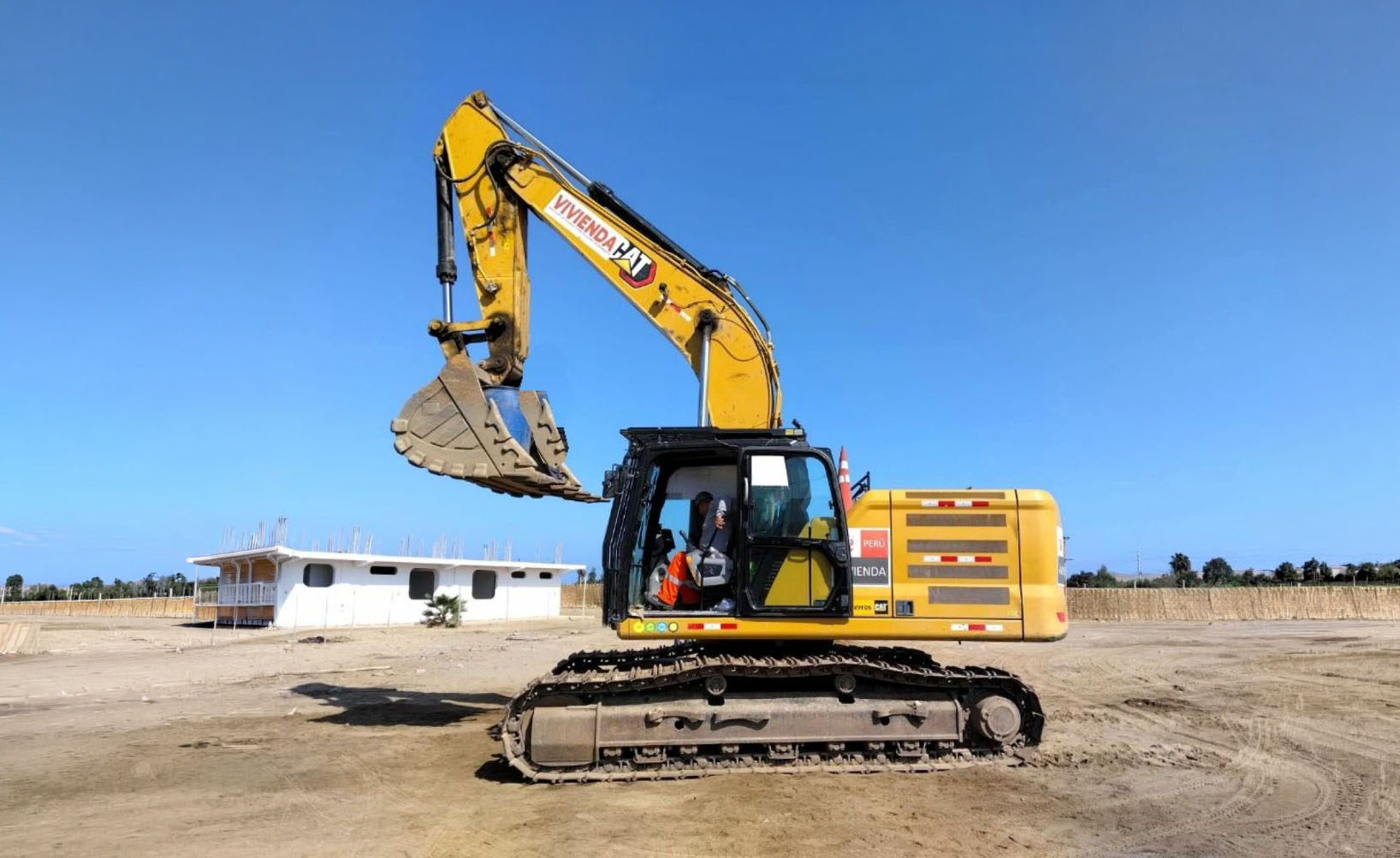
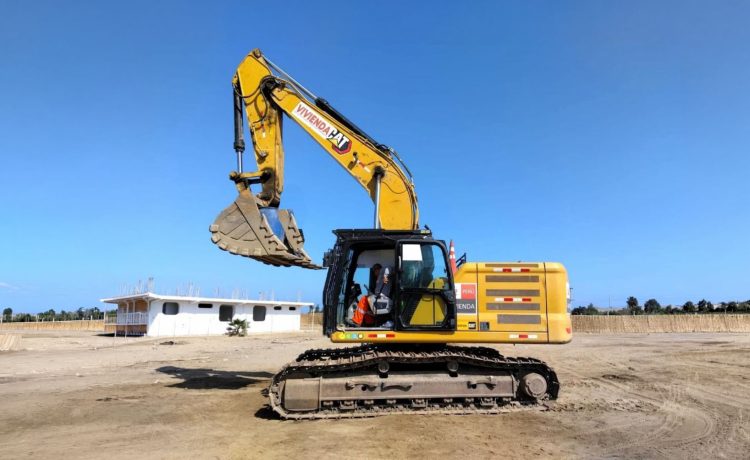
The operation commenced with the deployment of a high-capacity CAT 333 crawler excavator. This machine serves as the primary instrument for removing the accumulated sediment and debris that have narrowed the riverbed over time. During this initial phase, the site was surveyed to ensure that the removal of material would maximize the flow capacity of the river channel, reducing the risk of water spilling over the banks during high-tide or high-precipitation events.
Phase 2: Scaling Operations
To meet the ambitious goal of removing 7,200 cubic meters of excess material, the operation is scaling up. The initial deployment of the CAT 333 and a 15-cubic-meter dump truck will soon be bolstered by the addition of two more dump trucks. This fleet expansion is designed to ensure that the removal process maintains a steady pace, minimizing the time the riverbanks remain in a state of construction and maximizing the speed at which the safety threshold is reached.
Supporting Data: Why Desilting is Essential
The Huarmey River has historically been a lifeline for the region, supporting agriculture and local biodiversity. However, due to its topography and the region’s climate patterns, it is also highly susceptible to sedimentation. When debris and sediment accumulate, they reduce the "hydraulic section"—the volume of water the river can safely carry.
When a surge of water arrives due to heavy rain, an unmaintained riverbed becomes a liability. The water, having nowhere to flow, rises rapidly, often leading to:
- Bank Erosion: Destabilizing the land beneath homes and roads.
- Inundation of Farmland: Destroying harvests and poisoning soil with excessive silt.
- Infrastructure Failure: Threatening the structural integrity of bridges and transport corridors.
By removing 7,200 cubic meters of material, the partnership is essentially "resetting" the river’s capacity, providing a buffer that could prove to be the difference between a manageable seasonal rain and a localized disaster.
Official Perspectives and Strategic Implications
The rhetoric from local officials and stakeholders emphasizes that this is not merely a one-off cleanup, but a shift toward a culture of prevention.
"The goal is to create a more resilient Huarmey," noted a spokesperson close to the municipal planning office. "We cannot stop the rain, but we can manage the flow. By acting now, before the peak of the El Niño cycle, we are choosing to protect our people and our economy rather than reacting to the aftermath of a tragedy."
The involvement of Antamina in this project highlights the evolving role of the mining industry in Peru. Increasingly, major corporations are moving beyond traditional corporate social responsibility (CSR) toward "Shared Value" models. In this framework, the company’s long-term sustainability is tied to the prosperity and safety of the communities in its area of influence. A flooded Huarmey is not just a community issue; it is a regional logistical challenge that affects the entire supply chain.
Long-term Resilience: Beyond the 30-Day Window
While the current project is slated to last one month, its implications are long-term. The success of this collaboration establishes a "blueprint" for future interventions. The ability to bring together the Ministry of Housing, local mayors, and industry leaders creates a scalable model that can be replicated in other vulnerable river basins across the province.
Furthermore, this initiative highlights the necessity of "early-warning" thinking. Historically, infrastructure projects in Peru have often been reactive, occurring after a flood has already caused damage. The transition toward pre-emptive desilting represents a maturation in how civil defense and local development are handled.
Key Lessons Learned:
- Asset Sharing: No single entity had all the resources required for this job. The success of the project is owed entirely to the sharing of assets (machinery, fuel, and labor).
- Data-Driven Planning: The focus on the 250-meter stretch near the bridge was not arbitrary; it was based on historical flood data identifying this area as a "chokepoint" where debris most frequently causes overflow.
- Community Trust: By working in tandem with the municipality, the project ensures transparency, which is vital for maintaining the social license to operate in sensitive environmental zones.
Conclusion: A Model for Future Cooperation
The desilting of the Huarmey River is more than just a logistical task of moving dirt; it is a manifestation of a community that has learned the lessons of past climatic volatility. By combining the financial strength of the private sector, the technical capability of the national government, and the localized knowledge of the municipal leadership, the people of Huarmey are building a buffer against an uncertain future.
As the heavy machinery continues to operate along the riverbank, the residents of the province can look forward to a season with a significantly lower risk profile. This project stands as a testament to what is possible when stakeholders move past bureaucratic silos and prioritize the safety and stability of the territory. As the 7,200 cubic meters of sediment are removed, the path to a safer, more resilient Huarmey becomes clearer, proving that through collaborative effort, even the most daunting environmental challenges can be managed with precision and foresight.