By Staff Reporter
The integration of remote communities into the national economy and social service network has taken a significant step forward in the department of Tacna. The Cooperation Fund for Social Development (Foncodes), a specialized program under the Ministry of Development and Social Inclusion (Midis), has officially announced the completion of a major rehabilitation project involving 29 rural roads across the districts of Palca and Tarata.
This infrastructure initiative, executed with a total investment exceeding S/ 1.38 million, serves as a critical lifeline for high-altitude Andean populations, significantly reducing travel times and improving safety for both vehicular and pedestrian transit. Beyond the physical improvements to the road network, the project has acted as a catalyst for local employment, providing temporary income opportunities for 100 residents during the construction phase.
Main Facts: Enhancing Rural Accessibility
The project encompasses a strategic rehabilitation of 12 paths and rural roads in the district of Palca and 17 in the district of Tarata. The primary objective of these interventions was to rectify the degradation of essential transit corridors that had been historically neglected due to the rugged, high-altitude geography of the region.
The works focused on a comprehensive suite of maintenance and structural improvements designed to withstand the harsh Andean climate. Key technical interventions included:

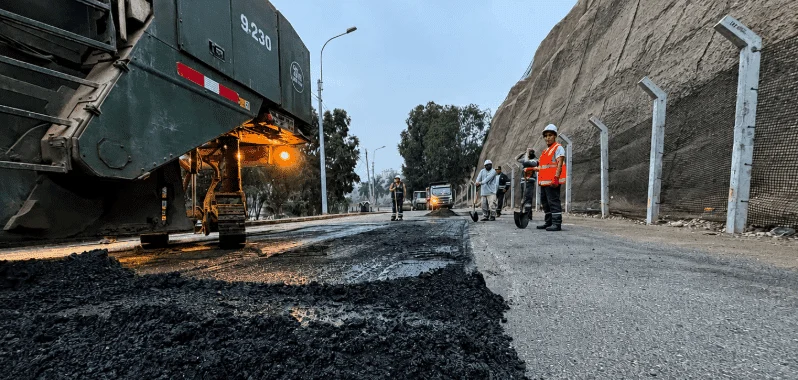
- Surface Leveling and Patching: Addressing critical potholes and uneven terrain to ensure safer vehicle passage.
- Drainage Management: Systematic cleaning of existing culverts and the construction of new drainage structures to prevent seasonal erosion.
- Structural Stability: The implementation of stone dry-stack walls to prevent landslides and the removal of debris from previous, weather-related blockages.
- Vegetation Clearing: Desbroce (clearing) of invasive brush that previously narrowed the paths, increasing visibility and safety for motorists.
These improvements are not merely cosmetic; they represent a fundamental change in the daily lives of residents who rely on these routes to reach primary schools, health centers, and regional markets, which are the backbone of local trade.
Chronology of the Intervention
The project followed a rigorous timeline, structured to ensure that public funds were utilized efficiently and that the works were completed before the onset of the most severe weather cycles in the Tacna highlands.
- Initial Planning and Social Validation: Foncodes engaged with local communities to identify the most critical road segments, ensuring that the selection process was demand-driven rather than top-down.
- Establishment of the Nucleus Executores (Executing Nuclei): Following the institutional model adopted by the Midis, community-based organizations were formalized to manage the project. This phase ensured transparency and empowered the residents to oversee the construction process directly.
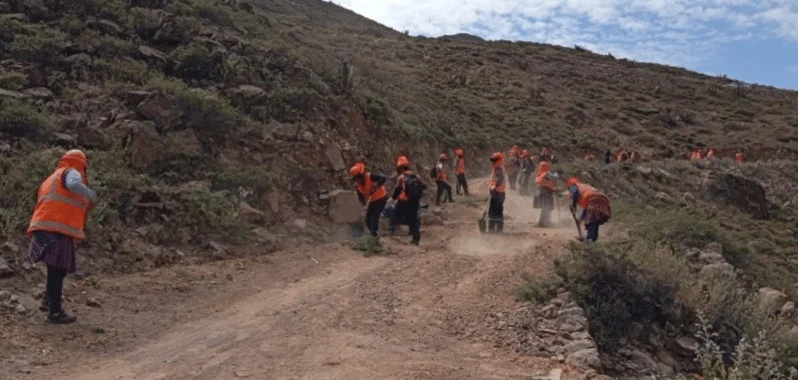
- Execution Phase: Over several months, labor crews—composed primarily of local inhabitants—carried out the necessary structural repairs. This period saw the systematic movement of heavy machinery and manual labor crews across the diverse topographies of Palca and Tarata.
- Project Delivery and Audit: Upon completion of the 29 individual road segments, the infrastructure underwent rigorous quality control checks to ensure compliance with the technical standards set by the Ministry.
- Inauguration and Handover: With the project finalized, the roads were officially opened to the public, marking a transition from a state of neglect to one of operational efficiency.
Supporting Data and Economic Impact
The financial commitment to this project—totaling S/ 1,382,406—reflects the government’s prioritization of "closing the gap" in rural infrastructure. By focusing on the districts of Palca and Tarata, the state has targeted some of the most isolated communities in the region.
Geographic Reach
In Palca, the connectivity upgrades have fortified links between the communities of Vilavilani, Ataspaca, Alto Perú, and Ancomarca. In Tarata, the benefits extend to the remote hamlets of Pampa Huyuni, Collpa, Conchachiri, and Kallapuma, as well as the essential agricultural zones of Yunga and Lupaja.
Employment Generation
A secondary, yet equally vital, benefit of this project was the infusion of capital into the local economy. By hiring 100 residents for temporary work, Foncodes not only improved the infrastructure but also provided immediate financial relief to families, fostering a sense of ownership and pride in the completed works. This model of "labor-intensive" infrastructure development is specifically designed to combat rural poverty while building the physical assets required for long-term growth.

Official Responses and Strategic Vision
The project aligns with the broader national agenda led by the Ministry of Development and Social Inclusion (Midis). According to the Minister of Development and Social Inclusion, Maritza Canales, the initiative is a cornerstone of the ministry’s efforts to bridge the divide between rural families and the state.
"The rehabilitation of these rural roads is more than an engineering project; it is a bridge to opportunity," Minister Canales stated during the review of the project. "By reducing the distance between our citizens and basic services—such as healthcare and education—we are ensuring that these communities are not left behind. Furthermore, by improving these paths, we are directly enabling our agricultural producers to bring their goods to market more quickly and at a lower cost, which strengthens the entire regional economy of Tacna."
The Minister further emphasized that the "Nucleus Executores" model is essential for the sustainability of these projects. By involving the population in the surveillance and management of the works, the state ensures that the infrastructure remains a community asset that is protected and maintained by those who use it most.
Implications for the Future
The successful completion of these works in Tacna serves as a blueprint for future infrastructure interventions across Peru. Several key implications arise from this project:
1. Decentralization of Oversight
The success of the "Nucleus Executores" model demonstrates that when local communities are empowered to participate in the oversight of public funds, the likelihood of project success and budget adherence increases. This model is expected to be expanded to other departments to address similar connectivity deficits.

2. Resilience Against Climate Change
With the increasing volatility of weather patterns in the Andean region, the focus on drainage and landslide mitigation (such as the building of stone walls) represents a shift toward climate-resilient infrastructure. Future projects are likely to adopt these protective standards as a baseline requirement.
3. Economic Integration
The improvement of these 29 paths creates a "multiplier effect." With better access, transport costs for local agricultural produce decrease, potentially increasing the profit margins for small-scale farmers in Yunga, Lupaja, and the surrounding areas. This, in turn, can lead to increased investment in local agriculture and improved food security for the region.
4. Continued Infrastructure Development
As evidenced by parallel developments in other regions—such as the ongoing efforts to finalize the Trujillo-Huanchaco road corridor via the "Obras por Impuestos" (Works for Taxes) mechanism—the national government remains committed to addressing infrastructure bottlenecks. The Tacna project reinforces this commitment, signaling to regional governments that the national administration is prepared to partner with them to resolve long-standing transit issues.
Conclusion
The S/ 1.38 million investment by Foncodes in the Palca and Tarata districts is a testament to the transformative power of targeted rural development. By focusing on the essential "last-mile" infrastructure that connects isolated Andean communities to the rest of the country, the government has provided the tools for these regions to prosper. As these roads now stand fully operational, the residents of Tacna’s highlands can look forward to safer travel, better access to essential services, and a more robust connection to the regional market.
This project stands as a clear example of how thoughtful, community-oriented planning can deliver significant socio-economic improvements, proving that even in the most remote corners of the nation, progress is attainable when the right strategies are applied.