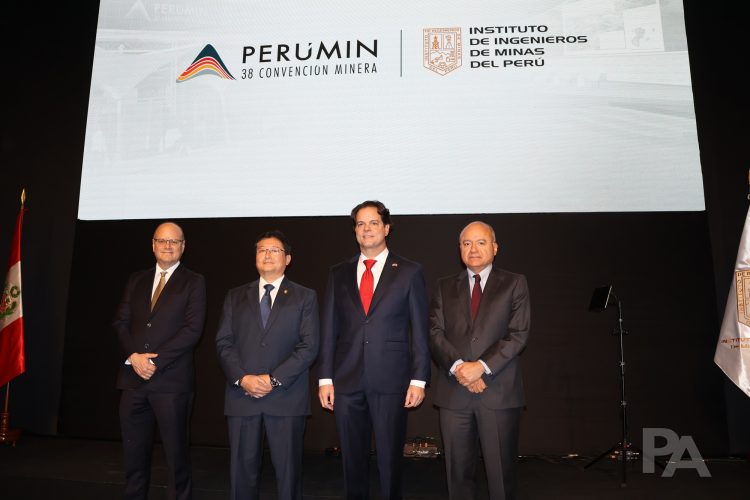
Arequipa, Peru – The global mining landscape is set for a seismic shift as organizers officially launched PERUMIN 38, the world-renowned mining convention scheduled to take place from September 20 to 24, 2027, at the Cerro Juli Convention Center in Arequipa. Under the resonant theme, "Integration and Formalization for Regional Development," the event promises to be a watershed moment for the industry, underscored by the high-profile announcement that the United States will serve as the official Partner Country.
As the industry faces the dual challenge of increasing mineral output to fuel the global energy transition and navigating complex regulatory environments, the partnership between Washington and Lima signals a renewed commitment to supply chain security, technological innovation, and aggressive economic expansion.
The Strategic Alliance: A New Era of Cooperation
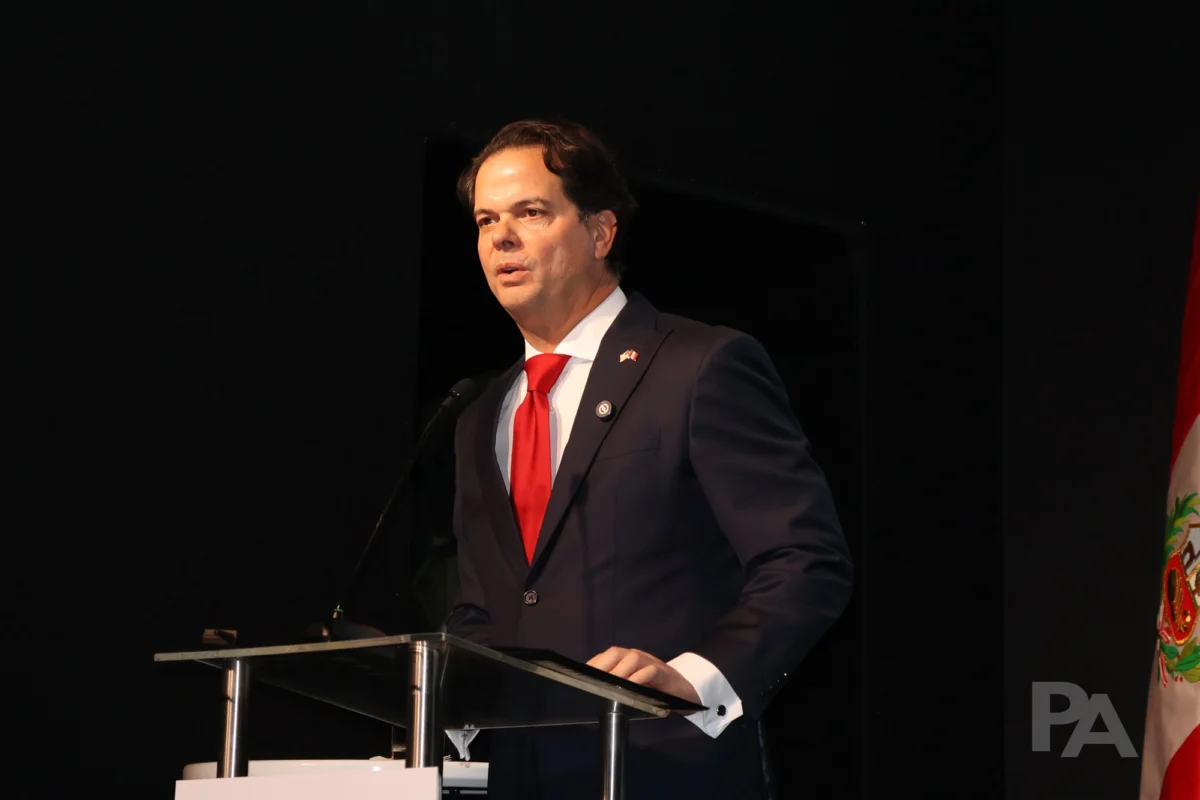
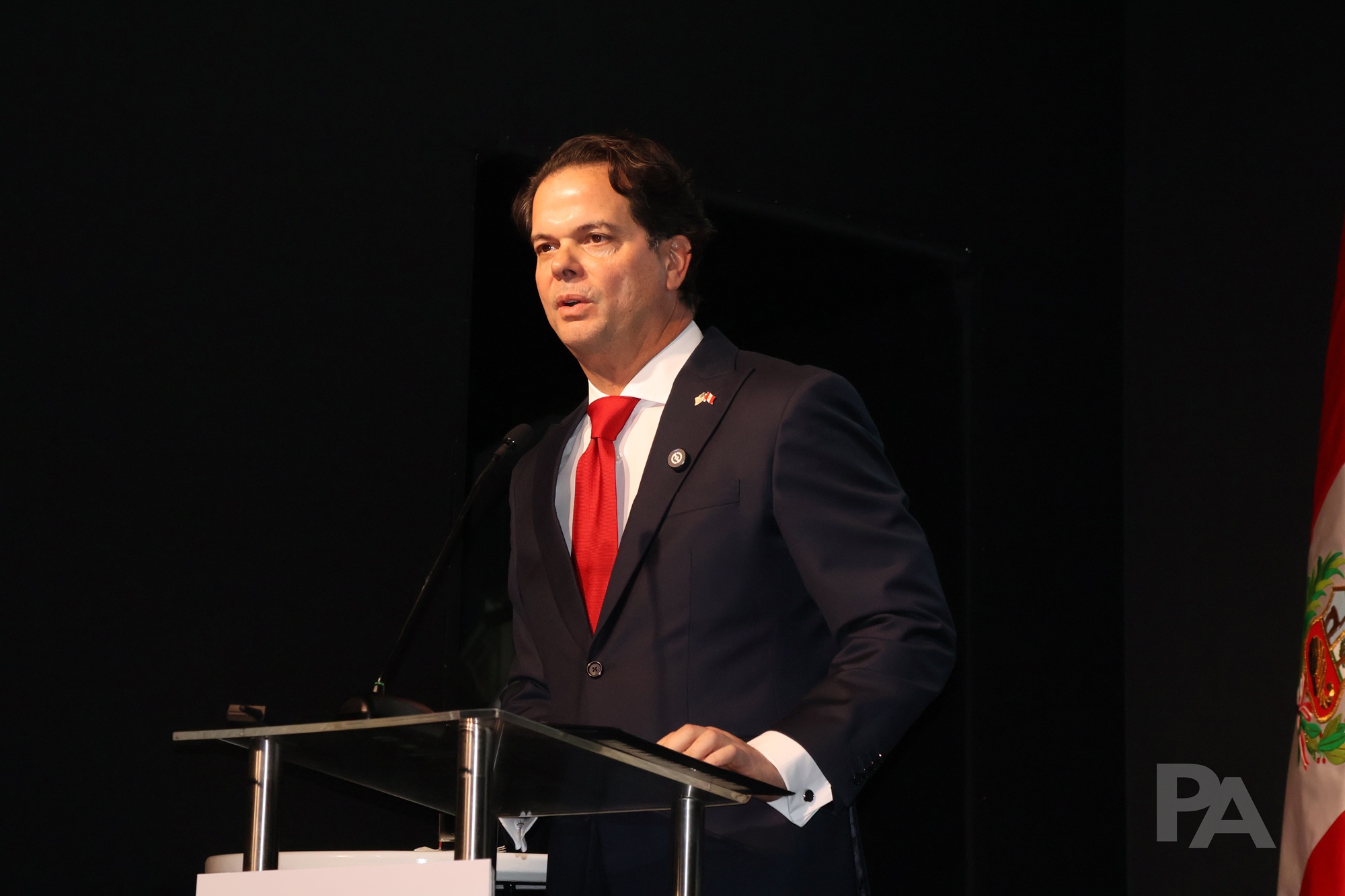
The announcement of the United States as the Partner Country for PERUMIN 38 is more than a diplomatic gesture; it is a strategic alignment of national interests. During the official launch, U.S. Ambassador to Peru, Bernie Navarro, underscored that the mining sector has moved to the forefront of U.S. national security and economic strategy.
"We are revitalizing the mining industry of the United States, reinforcing the security and economy of our region," Ambassador Navarro stated. "In February, the United States and Peru signed a memorandum of understanding to expand our joint work in this sector, encompassing investment opportunities, technological exchange, and the adoption of best practices."
The diplomatic momentum coincides with the upcoming bicentennial of U.S.-Peru diplomatic relations. Ambassador Navarro highlighted a significant financial commitment from the administration of President Donald J. Trump, including a $2 billion investment package earmarked for critical minerals projects and an additional $280 million dedicated to technical training within U.S. mining schools—a model that Peru hopes to mirror to enhance its own labor force.
"Peru’s resources, particularly copper and other critical minerals, are indispensable for producing cleaner energy, expanding digital connectivity, and creating the technologies that define our future," Navarro added. "For that reason, the United States views Peru as a key partner. Peru is, quite simply, vital."
Chronology of the Strategic Shift
The road to PERUMIN 38 is marked by a deliberate acceleration of industrial policy. To understand the significance of this upcoming event, one must look at the timeline of developments leading to this moment:
- February 2027: The United States and Peru sign a landmark Memorandum of Understanding (MoU), establishing a formal framework for cooperation in mining technology and supply chain integration.
- May 2027: The Peruvian government initiates a comprehensive internal review of its energy and mining regulatory framework, seeking to eliminate bureaucratic bottlenecks that have historically hindered large-scale investment.
- September 2027 (Launch): The official launch of PERUMIN 38 takes place, with organizers announcing the appointment of the United States as the lead international partner.
- September 20-24, 2027 (Convention): The main event in Arequipa, where the global mining community will convene to finalize agreements, showcase technology, and discuss the future of resource management.
Government Mandate: The Path to 6% Growth
The Peruvian Executive branch has adopted an aggressive stance regarding the role of the Ministry of Energy and Mines (MINEM). Minister Guillermo Shinno, speaking at the event launch, articulated a radical change in philosophy: the Ministry is moving from a passive regulator to an active project facilitator.
"We are dedicated to deregulating the entire sector—not just mining, but energy as well," Minister Shinno stated. "The Ministry of Energy and Mines is going to become the project manager for every mining company because we are the most interested party in ensuring these projects move forward."
The government has set a ambitious target of 6% economic growth, a goal that Shinno insists is unattainable without the immediate activation of stalled mining projects. By simplifying permitting processes and streamlining environmental approvals, the government aims to create a "red-tape-free" environment that encourages both local and foreign capital.
The Four Pillars of PERUMIN 38
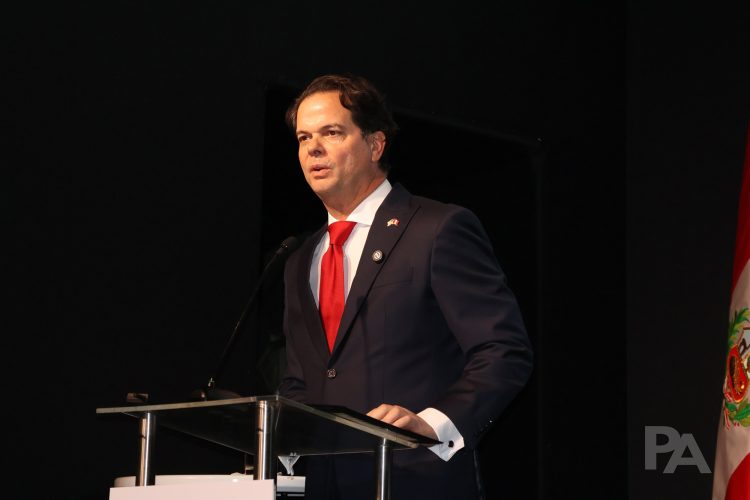
Víctor Gobitz, President of PERUMIN 38, emphasized that the convention is designed to tackle the systemic issues facing the nation, specifically the imbalance between the economic success of Lima and the untapped potential of regional hubs.
"The theme of this edition, ‘Integration and Formalization for Regional Development,’ stems from a reality: the country lacks a complete integration between its regions," Gobitz explained. "Formalization—not just in mining, but in the economy at large—is the primary issue that occupies our agenda."
The convention will be structured around four foundational pillars, each designed to foster deeper engagement among stakeholders:
1. The Mining Summit
The intellectual heart of the event, where global leaders, policymakers, and corporate executives will discuss the future of the industry, the geopolitical landscape of copper, and the role of mining in the global energy transition.
2. The TIS Forum (Technology, Innovation, and Sustainability)
A dedicated space for academic and technological exchange. This forum will focus on the practical applications of AI, robotics, and carbon-neutral extraction techniques that are defining the modern mine.
3. EXTEMIN (The Technological Fair)
With over 1,000 stands, EXTEMIN remains the largest mining exhibition in the region. The organization has announced a total reorganization of the pavilion layout to ensure equitable participation for small and medium-sized suppliers, fostering a more inclusive industrial ecosystem.
4. The International Encounter
A series of sessions focused on international investment, cross-border regulatory harmonization, and the strengthening of the strategic partnership between Peru and its global allies, with a primary focus on the U.S.-Peru corridor.
Implications for the Future: A Commitment to Industry Legacy
A poignant feature of the upcoming PERUMIN 38 is the organization’s decision to honor the history and human cost of the industry. In a move to pay tribute to the professionals who have built the sector, the event’s halls will be named in memory of the "Martyrs of Peruvian Mining."
Beyond the technical and economic discussions, the event is designed to foster a sense of shared responsibility. As the demand for copper, lithium, and rare earth minerals skyrockets due to the global shift toward electric vehicles and renewable energy infrastructure, Peru finds itself in a unique position of leverage.
The integration of U.S. investment and technology into the Peruvian mining sector is expected to create a "virtuous cycle" of growth. By professionalizing the supply chain and mandating high environmental and social standards (ESG), the industry aims to overcome the social conflicts that have plagued past projects.
For international investors, the signal is clear: the Peruvian mining sector is open for business, supported by a government committed to deregulation and a strategic alliance with the world’s largest economy. As the countdown to September 2027 begins, all eyes are on Arequipa, where the future of mineral extraction will be mapped out for the next decade.
Key Data Summary
- Event: PERUMIN 38
- Dates: September 20–24, 2027
- Location: Cerro Juli, Arequipa, Peru
- Projected Attendance: 50,000+
- Strategic Partner: United States of America
- Core Objective: 6% National GDP growth via mining acceleration and regional integration.
- Key Focus Areas: Critical minerals (copper), regulatory simplification, and technological transfer.