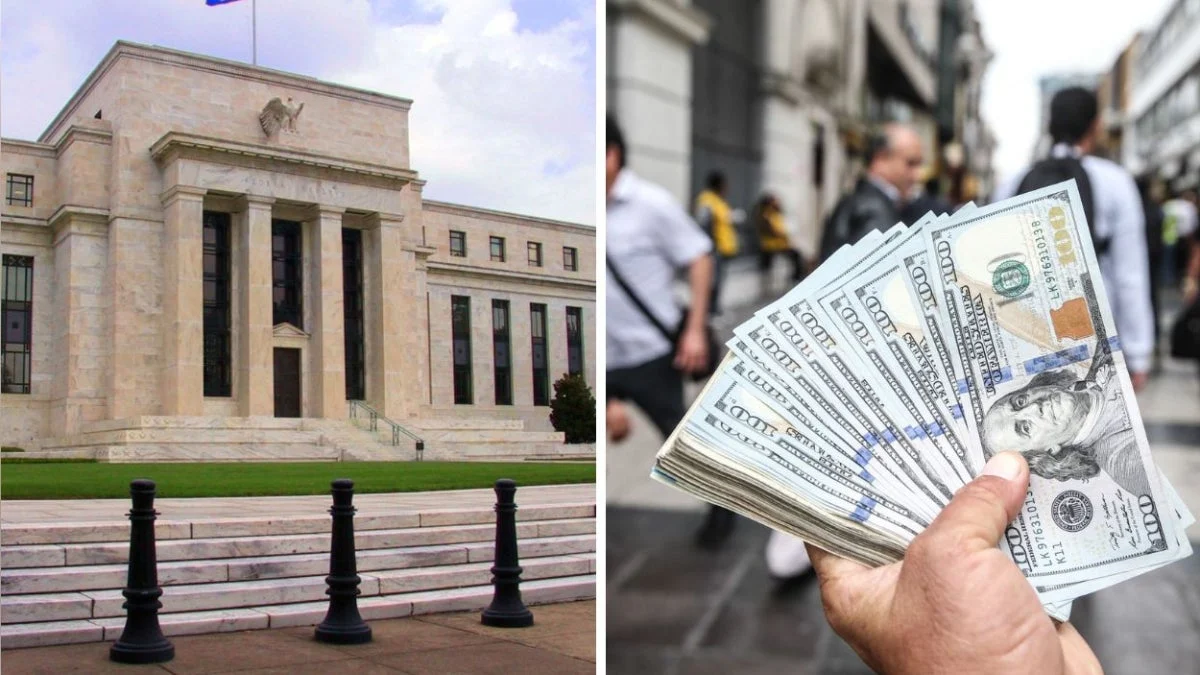
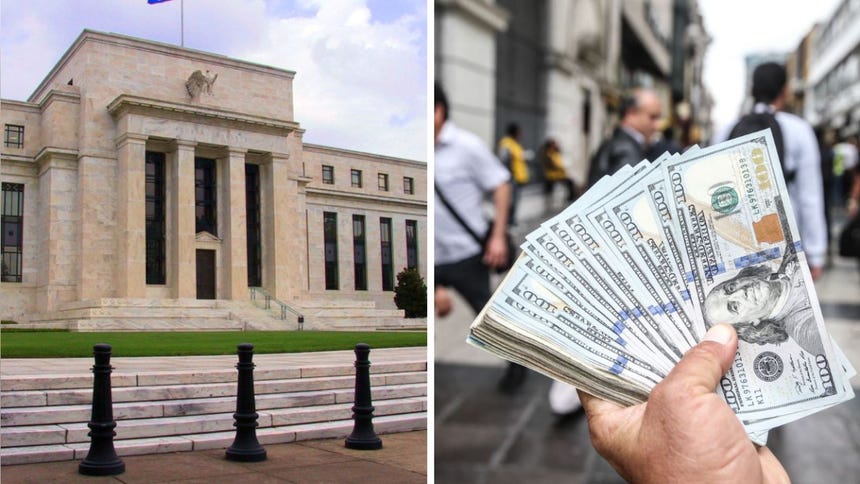
The global financial landscape witnessed a significant shift this week as the United States Federal Reserve (Fed) implemented a crucial adjustment to its monetary policy. On Wednesday, September 16, the Fed officially raised its benchmark interest rate to a range of 3.75% to 4%, a move that sent ripples through emerging markets, including Peru. Despite the initial anticipation of a stronger dollar, the local currency exhibited a surprising resilience, with the Peruvian Sol closing at S/3.370 against the greenback, marking a slight decline from the S/3.372 recorded on Tuesday.
This article provides an in-depth analysis of the factors driving the exchange rate, the psychology of the market, and the long-term implications for the Peruvian economy following the Fed’s latest policy decision.
The Fed’s Pivot: Understanding the Policy Shift
The decision by the Federal Open Market Committee (FOMC) to increase interest rates was adopted unanimously. This adjustment marks the first time since July 2023 that the Fed has actively raised its reference rate, signaling a concerted effort to combat persistent inflation in the United States, which continues to hover well above the Federal Reserve’s 2% target.
By elevating the cost of borrowing to the 3.75%–4% range, the Fed is essentially tightening the money supply. Higher interest rates in the U.S. generally attract global capital, as investors seek higher yields on dollar-denominated assets. Consequently, this dynamic often places upward pressure on the dollar while creating volatility in currencies of emerging economies like Peru.
Mauricio Guzmán, Head of Investment Strategy at SURA Investments, noted that the move was not merely a reaction to current inflation data but a clear signal of the Fed’s commitment to restrictive monetary conditions. "The Fed not only materialized the expected hike but also displayed a greater willingness to maintain restrictive monetary conditions, backed by a more solid economy and inflation that continues to show persistence," Guzmán explained.
Market Anticipation: The "Buy the Rumor, Sell the News" Phenomenon
To understand why the dollar retreated on Wednesday despite a hawkish Fed policy, one must look at the market behavior in the days leading up to the announcement. In financial parlance, the market had already "priced in" the hike.
Chronology of the Week
- Thursday, Sept 10: The dollar closed at S/3.374.
- Friday, Sept 11: A slight dip brought the rate to S/3.365.
- Monday, Sept 14: The market reacted to mounting expectations of the Fed hike, pushing the dollar to a weekly peak of S/3.381.
- Tuesday, Sept 15: Profit-taking began as investors realized the hike was fully anticipated, bringing the rate down to S/3.372.
- Wednesday, Sept 16: Post-announcement, the dollar settled at S/3.370.
The surge on Monday, September 14, was the market’s true reaction to the impending news. As economist Melvin Escudero explained during the Economía para Todos segment on RPP, the market had been shifting its sentiment for weeks. Several factors, including a sharp rise in global oil prices—which surged past the US$100 mark—and robust U.S. employment data, led investors to assume that a rate hike was inevitable.
Once the official announcement was made on Wednesday, the "surprise factor" was non-existent. Investors who had bought dollars in anticipation of the hike chose to liquidate their positions to secure profits, leading to the observed dip in the exchange rate.
Factors Influencing the Currency Market
The volatility of the Peruvian Sol is not determined by the Fed alone. Several external and internal variables contribute to the complex interplay of the exchange rate:
1. Global Commodities and Oil
The price of oil is a major determinant of economic sentiment. The jump from a range of US$65–US$85 to over US$100 per barrel during the preceding weeks created a sense of uncertainty. Because oil is priced in dollars, higher energy costs can put upward pressure on the dollar globally, as countries need more of the U.S. currency to cover their energy imports.
2. The Strength of the U.S. Labor Market
Data showing a strong, resilient U.S. economy provided the Fed with the "green light" to increase rates without fearing an immediate recession. A strong U.S. economy is typically bullish for the dollar, as it suggests that the U.S. will remain a primary destination for foreign direct investment.
3. Emerging Market Vulnerability
Economies like Peru are particularly sensitive to U.S. interest rate hikes. When U.S. rates rise, the "spread" or difference between the interest rates offered in Peru versus the U.S. narrows. If the gap becomes too small, international investors may shift their capital from the Sol to the dollar to seek higher, safer returns. This outflow of capital, known as "capital flight," is what central banks in emerging markets often fight to prevent by adjusting their own local interest rates.
The Role of the Central Reserve Bank of Peru (BCRP)
While the Federal Reserve dictates U.S. policy, the Central Reserve Bank of Peru (BCRP) plays a critical role in mitigating extreme volatility. The BCRP uses various tools, such as selling dollars in the spot market or using swap operations, to ensure that the exchange rate remains stable enough to prevent inflationary shocks.
In this instance, the BCRP’s presence in the market was not required to intervene aggressively because the market adjusted itself naturally. The fact that the Sol closed at S/3.370 suggests that there is sufficient confidence in the Peruvian economy to absorb the shock of higher U.S. interest rates.
Future Outlook: What Should Investors Expect?
The week is not yet over, and the market continues to parse the language used in the Fed’s statement for clues regarding future meetings. The key question for the remainder of the year is: Will this be the only hike, or are more coming?
If the Fed maintains a "hawkish" stance—meaning they signal further hikes—we can expect the dollar to remain strong or even climb further against the Sol in the coming months. Conversely, if the Fed signals that they are entering a period of "wait and see," the pressure on the Sol may subside.
Key Indicators to Watch:
- Inflation Reports: If U.S. inflation continues to remain sticky, the Fed will be forced to keep rates high for longer, keeping the dollar strong.
- Domestic Politics: Local political stability remains a significant factor in how the Sol performs. Political uncertainty often leads to a "flight to safety" into the dollar.
- Commodity Prices: A cooling of oil prices or a rally in copper (a key Peruvian export) could provide a natural floor for the Sol, counteracting the strength of the dollar.
Conclusion: Navigating the New Monetary Regime
The events of this week demonstrate that the global financial system is increasingly interconnected. The decision by the Federal Reserve to raise rates to 3.75%–4% is a watershed moment that will likely define investment strategies for the remainder of the year.
For the Peruvian consumer and business owner, the current stability of the exchange rate is a positive sign, indicating that the market was well-prepared for the Fed’s move. However, as the global economy adjusts to this higher interest rate environment, vigilance remains necessary. The "pre-emptive" behavior of the market—where prices moved before the news was confirmed—highlights the importance of staying informed about global economic trends, as they directly impact the purchasing power and economic stability of every citizen.
As we look toward the final quarter of the year, the focus will shift from the Fed’s immediate action to the long-term economic data. Whether the U.S. can successfully curb inflation without triggering a significant global slowdown will remain the defining question for the currency markets in the months ahead.