Introduction: A Shield Against Nature’s Unpredictability
In an era where climate volatility has become the new normal, the Peruvian Ministry of Housing, Construction, and Sanitation (MVCS) has intensified its commitment to disaster risk management. Recognizing the looming threat posed by seasonal rains and the potential impact of the El Niño phenomenon, the Ministry has launched a series of high-impact engineering interventions across the Apurímac region. By shifting the focus from reactive emergency response to proactive prevention, the government is working to safeguard vulnerable communities residing in high-risk zones, particularly those situated along riverbanks and precarious ravines.
Main Facts: Strengthening Regional Resilience
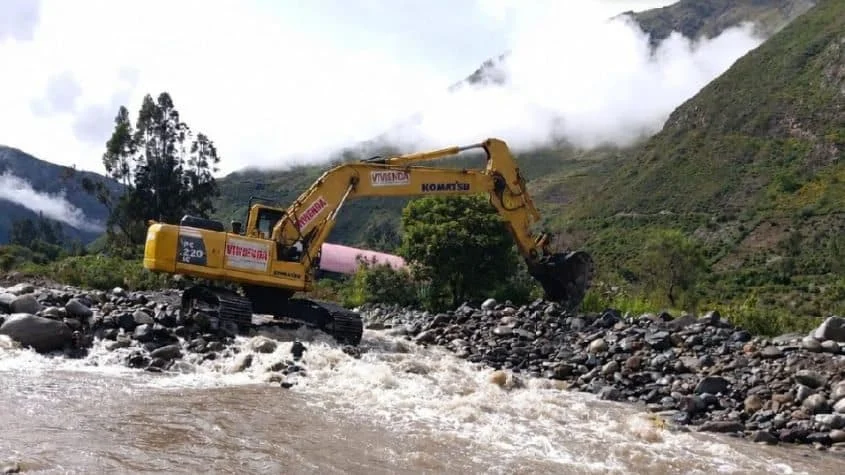
The core objective of the current administration’s strategy is the systematic mitigation of flooding risks before the arrival of heavy precipitation. To date, the MVCS has successfully completed two major interventions involving the cleaning, desilting, and structural reinforcement of 2.4 kilometers of critical drainage and riverbeds. These operations have provided direct security to approximately 1,700 residents in the districts of Circa, located in the province of Abancay, and Talavera, in the province of Andahuaylas.
The technical scope of these interventions involves the deployment of heavy machinery—excavators, dump trucks, and tractors—to remove sediment that obstructs natural waterways. When a channel is desilted, its capacity to manage high volumes of water increases exponentially, preventing the overflow that historically leads to catastrophic property damage and loss of life. By clearing these obstructions, the Ministry is not merely performing routine maintenance; it is reinforcing the primary defense mechanism of these communities against the unpredictability of the Andean rainy season.

Chronology: A Commitment in Motion
The timeline of these interventions reflects a consistent policy of regional cooperation. Recognizing that local governments are often the first to identify danger zones, the Ministry has adopted a bottom-up approach.
- Initial Assessment Phase: Following requests from district and provincial authorities, technical teams from the Ministry conducted field inspections to identify the most hazardous segments of the Apurímac water systems.
- Operational Commencement: Upon identifying the critical zones in Circa and Talavera, the Ministry mobilized heavy equipment to begin the first phase of clearing debris and sediment that had accumulated over years of neglect.
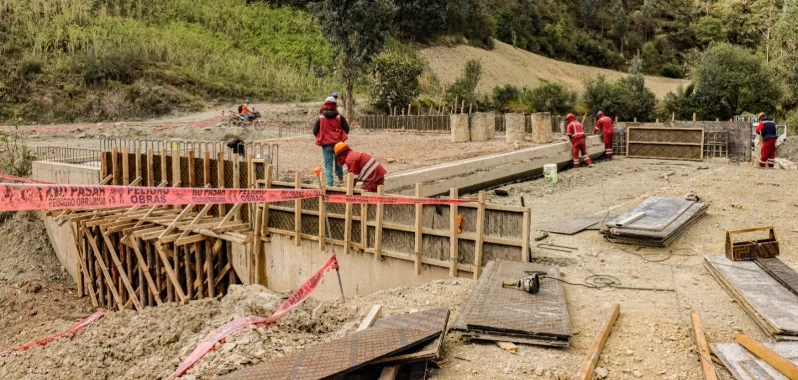
- The Chinchichaca Intervention (Current Stage): The most recent phase of the project is currently underway at the Chinchichaca ravine, specifically in the Lucmapampa sector of Abancay. This project, which involves the formation of a protective dike, is designed to shield an additional 500 residents. The work here is complex, requiring precise engineering to ensure the structural integrity of the dike remains intact under the pressure of torrential runoff.
Supporting Data: Why Engineering Matters
The necessity for these interventions is underscored by the geography of the Apurímac region. Characterized by steep inclines and complex hydrology, many settlements have historically expanded into the paths of natural water drainage.
- 2.4 Kilometers of Secured Territory: By clearing 2.4 kilometers of high-risk areas, the Ministry has essentially "reclaimed" the capacity of these channels to act as safe conduits for rainfall.
- 1,700 Beneficiaries in Phase One: This figure represents families whose homes, agricultural plots, and local infrastructure are no longer under immediate threat from minor-to-moderate flooding events.
- 0.9 Kilometers at Chinchichaca: The ongoing work in the Lucmapampa sector focuses on a critical 900-meter stretch. The combination of cleaning, desilting, and dike construction here serves as a template for how the Ministry plans to scale its operations to protect more isolated communities in the future.
Official Responses: The Ministry’s Stance
Mauricio Arnillas, the Minister of Housing, Construction, and Sanitation, has framed these actions as a matter of fundamental duty. In a recent statement, he underscored that the government’s shift in policy is designed to save lives before the siren of an emergency sounds.

"Our priority is to stay ahead of the emergency," stated Minister Arnillas. "With the deployment of this heavy machinery, we are not just cleaning channels; we are building defenses that save lives and protect the homes of thousands of residents in Apurímac. We are not going to stop here; we will continue to work in close coordination with local authorities to ensure that no community is left vulnerable to the onset of the rains."
The Minister’s comments emphasize a critical shift in public policy: the transition from "emergency response" (spending millions on reconstruction after a disaster) to "prevention" (spending a fraction of that amount on engineering works before the disaster occurs). This alignment with international disaster risk reduction standards is a cornerstone of the current administration’s vision for regional development.
Implications for the Future
The implications of these works go beyond simple flood control; they represent a significant step in the socioeconomic stability of the Apurímac region. When a community is protected from flooding, agricultural investments are safer, local trade is not interrupted by road damage, and the long-term mental health of the population improves as the fear of seasonal loss is mitigated.

Furthermore, the methodology of working in partnership with district and provincial governments strengthens local governance. It creates a bridge between the central government’s resources and the local government’s knowledge of their terrain. This collaborative model is expected to be replicated in other regions of Peru, as the Ministry seeks to build a nationwide network of resilient infrastructure.
Conclusion: A Proactive Path Forward
As the rainy season approaches, the work in Apurímac serves as a timely reminder of the necessity of preventative infrastructure. While the challenges of geography and climate change remain formidable, the proactive deployment of resources and the focus on strategic, localized engineering projects provide a blueprint for a more resilient future. By prioritizing the security of its citizens, the Ministry of Housing is demonstrating that even in the face of environmental threats, sound planning and decisive action can create a buffer that ensures the safety and prosperity of all Peruvians.
The ongoing vigilance in the Lucmapampa sector and the commitment to maintaining the already-cleared channels in Circa and Talavera ensure that, when the rains arrive, the residents of Apurímac will face them with reinforced defenses, reduced risk, and the backing of a government that has learned to act before the storm breaks.