By International Affairs Desk
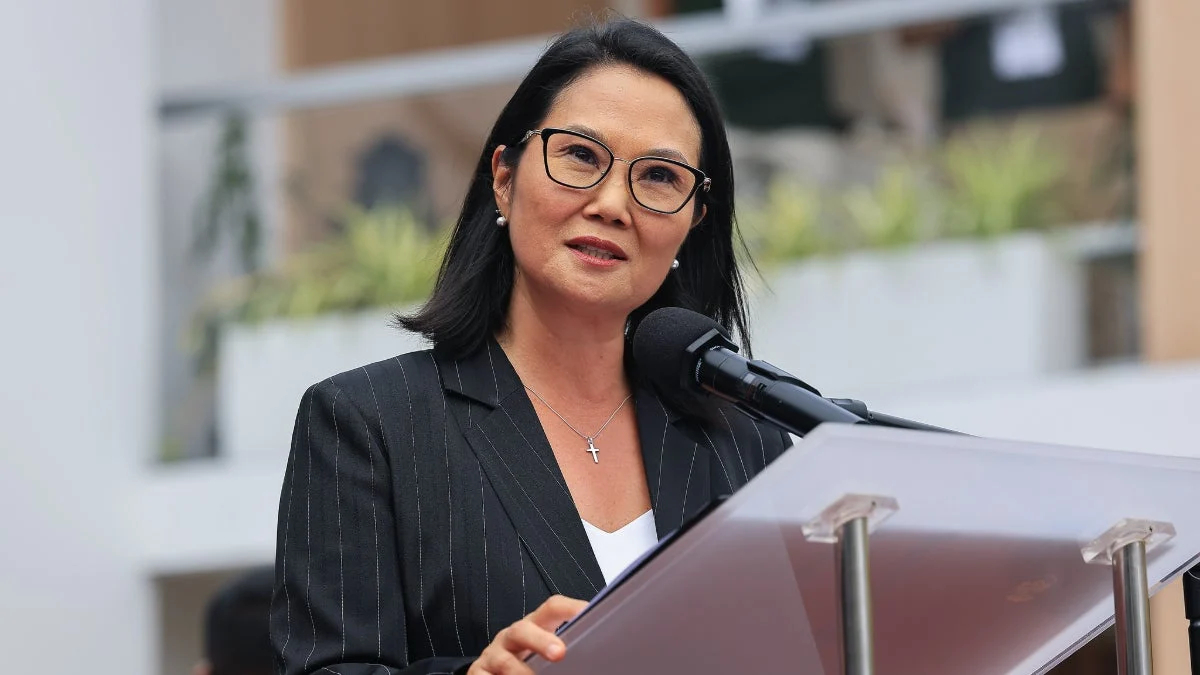
In a decisive legislative session held this Wednesday, the Senate of the Republic officially authorized the international travel of President Keiko Fujimori Higuchi. The mandate, secured with a vote of 34 in favor, 12 against, and three abstentions, paves the way for the President to represent the nation at the 81st Session of the United Nations General Assembly in New York. This high-profile diplomatic mission, scheduled for September 21–25, marks a significant moment in the administration’s foreign policy agenda as it seeks to strengthen ties with global powers and multilateral organizations.
The Mandate: Legislative Approval and Constitutional Protocol
The authorization process was not without debate. Throughout the legislative session, members of the opposition questioned the timing and the scope of the trip, citing domestic challenges that require the President’s presence. However, proponents of the travel argued that the nation’s seat at the United Nations is a platform that cannot be ignored, particularly given the current geopolitical climate and the need for international investment and cooperation.
With the Senate’s approval, constitutional protocol has been activated. During President Fujimori’s four-day absence from the country, the executive branch will be temporarily led by the First Vice President of the Republic, Luis Galarreta. Galarreta, a seasoned political figure, will assume the administrative duties of the presidency to ensure continuity in government operations and domestic stability while the President engages in high-level diplomacy abroad.
Chronology of the Diplomatic Mission
The schedule for the President’s visit is rigorous, reflecting a strategy aimed at maximizing the impact of her time in New York.
- September 21: Arrival in New York City. The President is expected to begin her agenda with a series of briefings with the Permanent Mission to the UN, preparing for the upcoming sessions and bilateral meetings.
- September 22: The focus shifts to the official opening of the High-Level Week. The President is slated to participate in the opening sessions of the 81st UN General Assembly, where key topics such as global security, climate action, and economic sustainability will be debated.
- September 23: A day dedicated to economic diplomacy. President Fujimori will attend events hosted by the Development Bank of Latin America (CAF) and the Americas Society/Council of the Americas (AS/COA). These meetings are designed to pitch the country as a stable and attractive destination for foreign direct investment.
- September 24: The President will deliver her keynote address at the General Debate, articulating the administration’s vision for the nation’s role in the international order. This day will also feature several bilateral meetings with Heads of State and Government from various regions.
- September 25: Final diplomatic consultations and departure from New York.
The Global Agenda: Strategic Priorities
The President’s participation in the 81st UN General Assembly is more than a formal visit; it is a strategic effort to realign the nation’s interests with the global agenda. According to the Presidential Palace, the primary objectives of the mission are tripartite: securing regional economic partnerships, addressing climate-related development goals, and fostering bilateral security cooperation.
Economic Diplomacy and Investment
A centerpiece of the visit is the engagement with the Americas Society/Council of the Americas (AS/COA). By meeting with key business leaders and policymakers, President Fujimori aims to mitigate concerns regarding local economic volatility and emphasize the government’s commitment to market-friendly policies. The involvement of the CAF is particularly notable; the institution has been a key financier for the country’s infrastructure projects, and this meeting is expected to solidify future credit lines for sustainable development.
Multilateral Cooperation
The UN General Assembly serves as the primary forum for the nation to advocate for its national interests on the global stage. Discussions regarding the “High-Level Week” are expected to cover a wide array of topics, including the implementation of the UN’s Sustainable Development Goals (SDGs). The administration has signaled that it intends to push for deeper cooperation on digital transformation and health resilience, lessons learned from the recent global economic shifts.
Supporting Data and Political Context
The legislative authorization reflects a shift in the current political landscape. With 34 votes in favor, the administration has demonstrated a working majority in the Senate, though the 12 dissenting votes indicate a persistent and vocal opposition. Political analysts suggest that the dissenters are concerned about the optics of presidential travel while the administration manages a complex domestic legislative agenda, including pending requests for legislative faculties that have caused friction between the Executive and the Legislative branches.
However, supporters of the trip point to the success of First Vice President Luis Galarreta in managing recent administrative transitions. Galarreta’s appointment as acting president is viewed by market analysts as a signal of continuity, reassuring domestic and international stakeholders that the administration’s core economic policies will remain unchanged during the President’s absence.
Official Responses and Public Perception
The Executive branch has been proactive in framing the visit as a necessary obligation to bolster the country’s international standing. “The President’s presence at the United Nations is not a choice, but a requirement for a country that seeks to be a respected actor in the international community,” stated a spokesperson for the Presidency.
Conversely, civil society groups have expressed mixed reactions. While business associations have lauded the focus on AS/COA and potential investment, social advocates have questioned whether the time abroad will detract from the government’s attention to pressing internal social issues. The administration maintains that the benefits of the international visibility gained at the UN far outweigh the short-term inconvenience of the President’s brief absence.
Implications for the Future
The success of this mission will be measured by the concrete outcomes of the bilateral meetings and the reception of the President’s address at the General Debate. If the President manages to secure high-level commitments for investment or international aid, the trip will be viewed as a political triumph that strengthens her domestic position.
Furthermore, the smooth transition of power to Vice President Galarreta during the five-day window will be a test of the administration’s internal cohesion. If the transition is perceived as efficient and professional, it will serve to stabilize the government’s reputation for institutional maturity.
Geopolitical Positioning
The 81st Session of the General Assembly comes at a time of significant global turbulence. The nation’s stance on key issues—from regional security to global trade—will be closely monitored by global powers. By participating directly, President Fujimori is signaling that the nation is ready to take a more active role in global decision-making, moving away from a passive observer status.
Domestic Legislative Challenges
Upon her return, the President will immediately face the challenge of reconciling her agenda with the Senate. With the legislative faculties still under discussion, the political capital gained or lost during her New York visit will likely influence the tone of the upcoming legislative sessions. The administration must balance its newfound global prestige with the pragmatic reality of governing a polarized legislature.
Conclusion
The decision to send President Keiko Fujimori to the United Nations is a calculated move to reinforce the country’s presence on the world stage. While the domestic political environment remains complex, the government’s focus on international investment and multilateral diplomacy suggests a clear intent to prioritize external growth to fuel internal stability. As the country prepares for the September 21st departure, the eyes of the nation—and its international partners—will be fixed on the delegation’s performance in New York, awaiting the results of a diplomatic mission that carries the weight of the nation’s future aspirations.