By [Your Name/Journalistic Desk]
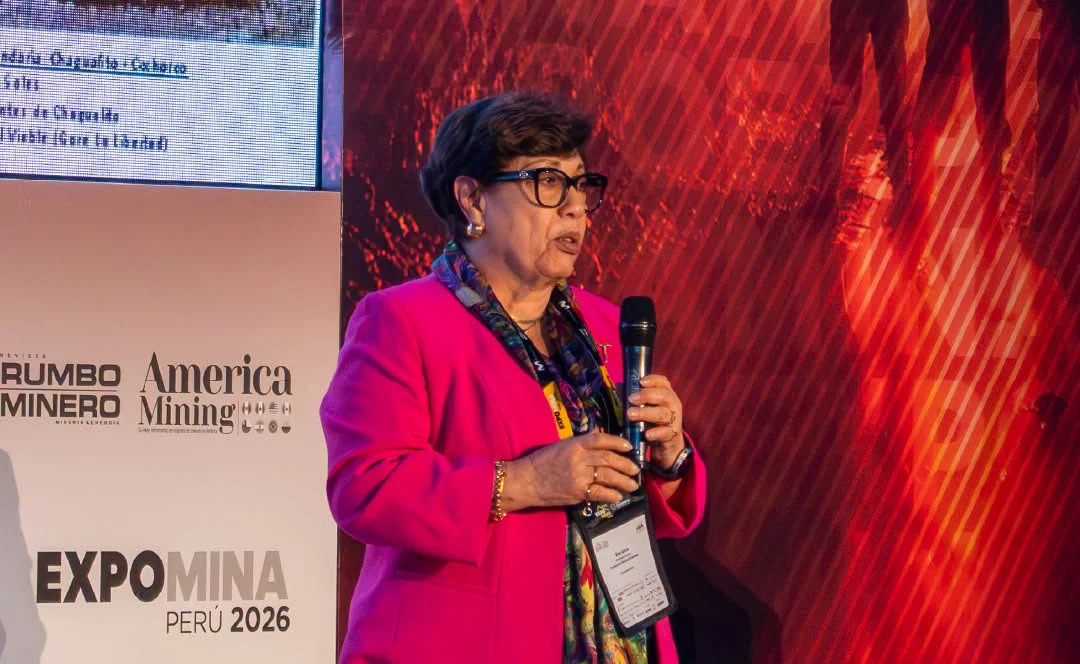
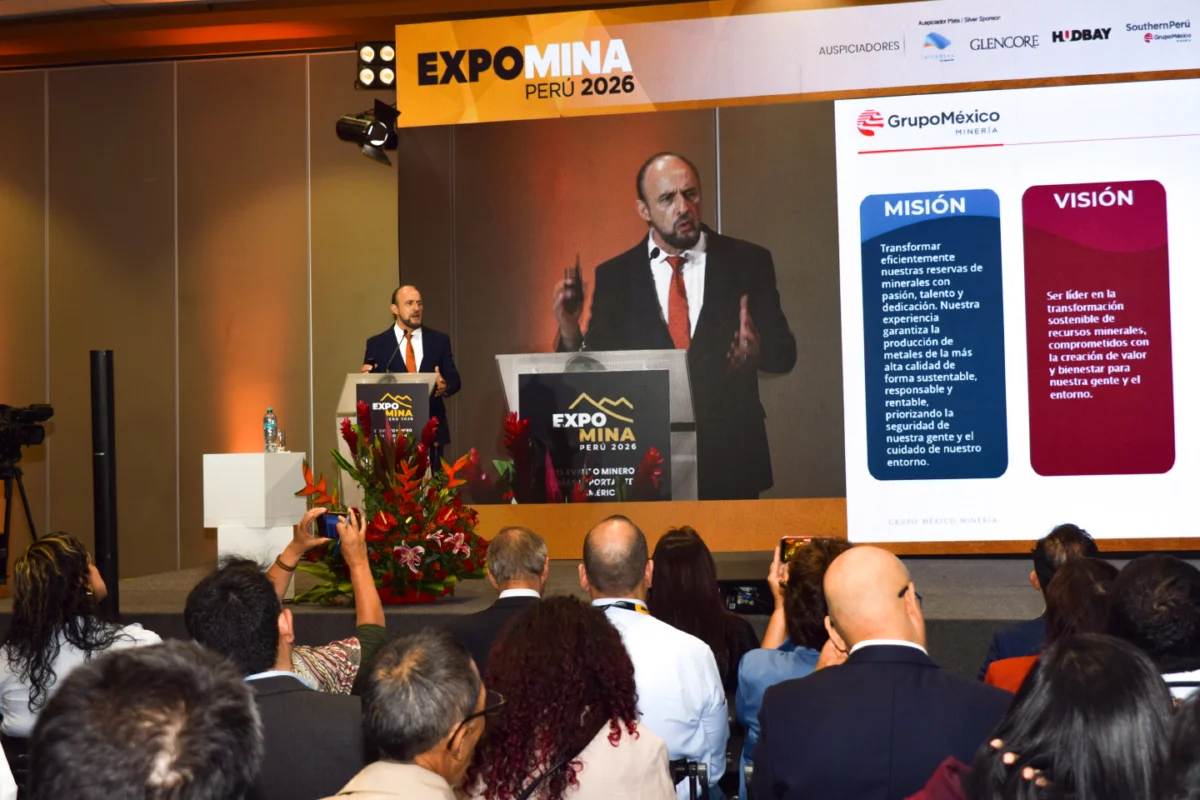
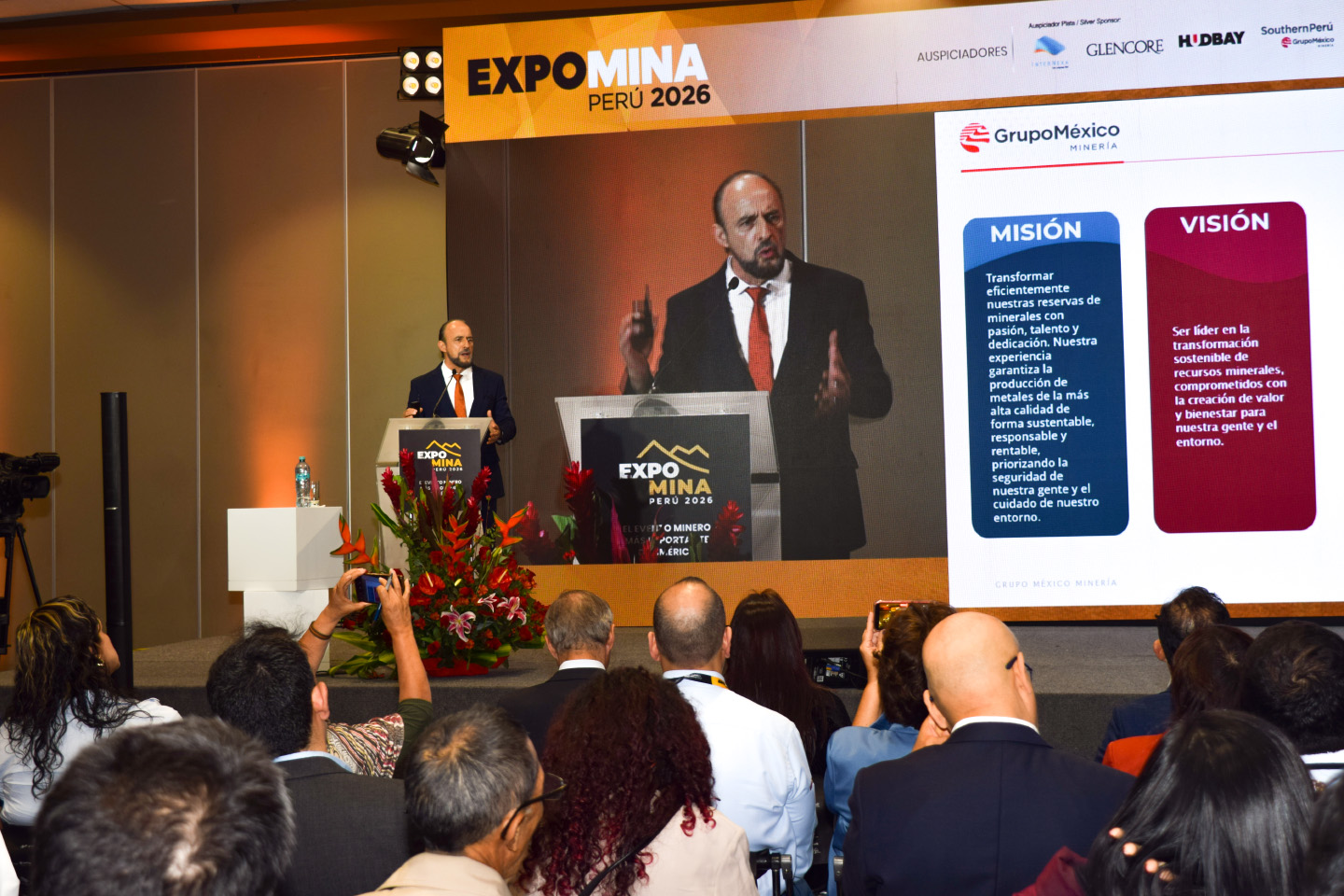
In the heart of the Arequipa region, a monumental shift in the Peruvian mining landscape is taking shape. During the prestigious Expomina 2026 international trade fair, Southern Perú Copper Corporation provided a comprehensive update on the Tía María project, a venture that stands as a cornerstone for the nation’s future copper production. Óscar Rodríguez, Director of Plant Engineering and New Process Development at Southern Perú, confirmed that the project has surpassed the 47% completion mark, signaling a robust and accelerated pace of construction that promises to reshape the local and national economy.
Executive Overview: Scaling New Heights in Copper Production
The Tía María project is not merely an extraction site; it is a technological powerhouse designed to bolster Peru’s position as a global leader in copper exports. With a projected annual capacity of 120,000 metric tons of high-purity copper cathodes, the operation is strategically positioned to meet the surging global demand for minerals essential to the green energy transition.
During his address at Expomina 2026, Rodríguez underscored that the project is currently in a phase of aggressive capital deployment. The company has already funneled over US$ 700 million into the project’s infrastructure and site development. Furthermore, an additional US$ 1 billion has been earmarked and committed for the procurement of cutting-edge machinery and equipment, which are currently in transit, marking the transition from preliminary site work to full-scale assembly.
A Chronology of Strategic Development
The path to the current 47% completion milestone has been one of methodical planning and adaptive management. Since the formalization of the project’s execution strategy, Southern Perú has navigated complex logistical and social landscapes.
- 2024: Foundational Engagement. The company initiated its social strategy in the Tambo Valley, focusing on local employment. By hiring residents for reforestation, site access, and platform conditioning, the company established a constructive rapport with the community.
- 2025: Infrastructure Mobilization. This year marked the transition to large-scale civil works, including the commencement of the desalination plant development in Mejía, a critical component of the project’s environmental sustainability mandate.
- 2026: Accelerated Construction. The current year has seen a surge in on-site activity. The deployment of heavy machinery and the integration of local talent into technical roles have pushed the construction progress toward the 50% threshold.
- Late 2027 (Target): Production Start. Southern Perú has set a firm deadline to complete construction and initiate the first phase of commercial production by the final quarter of next year.
Technical Foundations and Geological Wealth
The Tía María operation involves the exploitation of two major open-pit deposits: La Tapada and Tía María.
The La Tapada deposit is the engine of the operation. Situated at an elevation of 350 to 400 meters above sea level, it contains estimated reserves of 420 million tons of mineral with an average copper grade of 0.43%. Notably, during the initial six years of extraction, the grade is expected to exceed 0.5%, ensuring high productivity during the project’s infancy. The Tía María deposit adds another layer of security to the company’s portfolio, with 225 million tons of reserves at an average grade of 0.19%.
Environmental Innovation: The Desalination Mandate
One of the most significant pillars of the Tía María project is its commitment to zero water competition with local agricultural sectors. Addressing long-standing concerns regarding water scarcity in the Arequipa region, Southern Perú has engineered a closed-loop system that relies entirely on seawater.
The desalination plant, located in the district of Mejía, will utilize reverse osmosis technology to process seawater. This water will then be pumped to the processing area in Cachendo. By bypassing the use of local rivers and groundwater basins, the company aims to prove that large-scale industrial mining can coexist seamlessly with the agricultural traditions of the Tambo Valley.
Metallurgical Sophistication
The project utilizes a highly efficient metallurgical process designed to minimize waste and maximize purity. The operation integrates three primary stages:
- Chancado and Agglomeration: Preparing the mineral for chemical processing.
- Dynamic Heap Leaching: The mineral is treated in 114 specialized cells designed to process approximately 9 million tons of ore annually. This stage utilizes roughly 2,000 tons of sulfuric acid daily—a byproduct sourced directly from the company’s metallurgical complex in Ilo, thereby optimizing the internal supply chain.
- SX/EW (Solvent Extraction and Electrowinning): The final stage of the process produces copper cathodes with a purity level of 99.999%, meeting the highest international industrial standards.
Official Response: The Human Capital Strategy
Perhaps the most significant aspect of the Tía María project is its approach to social integration and labor development. Óscar Rodríguez highlighted that the company has moved beyond traditional corporate social responsibility, opting instead for a model of integrated employment.
"The talent pool in the Tambo Valley is exceptional," Rodríguez stated during his presentation. Since 2024, the company has successfully transitioned from employing 100 to 300 direct local workers, specifically targeting those who were previously unemployed. By focusing on non-competing sectors—such as reforestation and site preparation—the company has managed to provide economic opportunities without disrupting the local agricultural cycle.
Furthermore, the company has invested heavily in the next generation of mining professionals. A total of 230 local university graduates and young professionals from the Tambo Valley have been brought into the company’s fold. These individuals have undergone rigorous training to assume technical, operational, and supervisory roles within the new facility. This strategy ensures that the project remains rooted in the community, with the local workforce serving as the primary stakeholders in the mine’s success.
Implications: Mining, Agriculture, and Future Coexistence
The success of Tía María is viewed by many as a litmus test for the future of the Peruvian mining industry. The project challenges the narrative that mining and agriculture are mutually exclusive.
Economic Implications:
- Regional Growth: The infusion of over US$ 1.7 billion in combined investment (capital expenditure and equipment) is expected to trigger a multiplier effect in the Islay province, boosting local service providers, logistics, and hospitality sectors.
- National Revenue: With 120,000 tons of annual copper output, Tía María will significantly contribute to the national treasury through royalties, mining taxes, and canon minero, which will fund public infrastructure in the Arequipa region.
Social and Environmental Implications:
The "Tía María Model" of social engagement—characterized by long-term capacity building and environmental transparency—may become the blueprint for future projects in Peru. By demonstrating that a project can be environmentally responsible (via desalination) and socially inclusive (via local hiring and scholarships), Southern Perú is attempting to bridge the trust gap that has historically plagued mining-community relations in the Andes.
Conclusion: A Vision for 2027
As Expomina 2026 concluded, the sentiment surrounding Tía María was one of cautious optimism tempered by the hard facts of engineering progress. The project is no longer a concept on paper; it is a tangible reality of steel, water, and human potential.
Óscar Rodríguez’s final remarks echoed a commitment to transparency and legal adherence. For the residents of the Tambo Valley and the stakeholders of the Peruvian economy, the next 18 months will be critical. If Southern Perú maintains its current trajectory, the commissioning of the Tía María plant will not only mark the birth of a new mine but potentially the beginning of a new, more collaborative era for the extractive industries in Peru. The project stands as a testament to the belief that with the right technology and an unwavering commitment to local development, the coexistence of modern industry and traditional landscapes is not only possible—it is the path forward.