The Ucayali Regional Government has officially broken ground on a new, state-of-the-art medical facility in the La Unión population center, a critical project designed to bridge the healthcare gap for rural communities along the Federico Basadre highway.
In a significant move to decentralize and improve public health services, the Regional Government of Ucayali has commenced the construction of a modern health establishment in the La Unión population center. Located strategically at the 75-kilometer mark of the Federico Basadre highway in the district of Neshuya, the project represents a multi-million-sol investment aimed at transforming the quality of life for thousands of residents.
Main Facts: A Commitment to Rural Healthcare
The project, which carries a total investment cost of S/ 6,925,042.97, is part of a broader regional strategy to modernize medical infrastructure in the Amazonian basin. The facility is not merely a replacement for the existing structure; it is a comprehensive upgrade designed to meet contemporary medical standards.
The new establishment will feature specialized environments, including:
- Triage and Sample Collection Areas: Optimized for rapid patient assessment and diagnostic accuracy.
- Urgency and Emergency Wards: Equipped to handle critical cases with higher efficiency.
- Specialized Consultation Rooms: Dedicated spaces for CRED (Growth and Development Control), stimulation therapy for children, teleconsultation services, and general medicine.
The scope of the project extends beyond the physical building. It encompasses the acquisition of cutting-edge medical equipment and ergonomic furniture, ensuring that healthcare professionals are supported by the tools necessary to perform their duties effectively. Furthermore, the regional government has confirmed plans to increase both the medical staff and the capacity for daily patient consultations, addressing a long-standing demand from the local population.

Chronology: From Commitment to Construction
The realization of this project was not an overnight success but the result of sustained advocacy and administrative planning.
- Initial Advocacy: The residents of La Unión, supported by local community leaders, began lobbying for improved health services years ago, citing the isolation of their population center and the lack of basic medical equipment.
- Project Approval and Budgeting: Following site inspections and demographic studies, the Regional Government of Ucayali integrated the proposal into its regional development plan, securing the funding of approximately S/ 6.9 million.
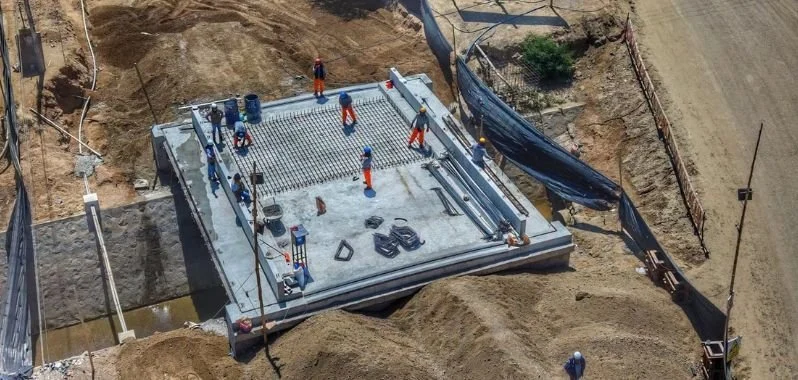
- Formal Groundbreaking: In late September 2026, officials gathered at the site to officially launch the construction phase.
- Construction Timeline: The current schedule mandates a completion window of eight months. If the project adheres to this timeline, the facility is expected to be fully operational by the second quarter of 2027.
Supporting Data: Why This Matters
The district of Neshuya, and specifically the La Unión area, has long struggled with limited medical accessibility. By upgrading the facility to an "I-2" categorization—a classification that denotes a higher level of outpatient care and expanded service capabilities—the government is effectively elevating the standard of care for the entire sub-region.
The transition to an I-2 facility means the center will be authorized to provide more complex medical procedures and preventive health programs that were previously unavailable. This shift is expected to significantly reduce the number of patients forced to travel to larger cities for basic diagnostic tests or pediatric care. Furthermore, the integration of teleconsultation technology signifies a major leap forward in rural connectivity, allowing local doctors to interface with specialists in regional hubs, thereby reducing the "medical distance" that has historically plagued the Amazonian interior.
Official Responses and Vision
The launch event was marked by a sense of accomplishment among local authorities and health workers. The Governor of Ucayali highlighted the perseverance of the local community as the primary engine behind the project.
"This was a solemn commitment made to the people," the Governor stated during the groundbreaking ceremony. "Everything was made possible through the unwavering perseverance of the authorities of the La Unión population center. Today, we begin the construction of a quality health establishment that, in the next eight months, will be fully equipped, allowing our staff to treat our citizens with the dignity they deserve."

Sonia Gonzales, the current head of the local health post, echoed these sentiments. "For years, we have worked under significant constraints. This new infrastructure is not just a building; it is a promise of better conditions. It will allow us to provide services with the quality and efficiency that our population requires and deserves."
Socio-Economic Implications
The construction of this facility is expected to have a ripple effect on the local economy and social stability of the region:
1. Enhanced Public Health Metrics
By focusing on preventive medicine through the new CRED and stimulation rooms, the project aims to reduce child mortality and malnutrition rates in the long term. Accessible, well-equipped health centers are the first line of defense against endemic diseases in the tropical region.
2. Job Creation and Professional Retention
The expansion of the facility will require additional medical professionals, nurses, and administrative support staff. By providing a modern, well-equipped environment, the Ucayali government is making it easier to attract and retain medical talent in a rural setting, countering the "brain drain" where doctors prefer to remain in urban centers.
3. Strengthening Regional Connectivity
The placement of this facility along the Federico Basadre highway—a critical logistics artery in the region—ensures that the health post is accessible not only to the residents of La Unión but also to travelers and those living in neighboring remote sectors. It acts as a safety net for the transportation and agricultural workers who form the backbone of the region’s economy.

Future Outlook: A Model for Development
The "I-2" recategorization is the ultimate goal for this project. This status change will formally recognize the facility’s ability to offer a broader range of primary care services. As construction progresses, the eyes of the regional health directorate will remain fixed on the quality of materials and the speed of the deployment of medical equipment.
While the primary focus remains on the completion of the physical structure, the regional government is already preparing a transition plan for when the doors open. This includes training sessions for the medical staff on the use of new teleconsultation equipment and updating administrative protocols to handle the expected increase in patient volume.
In conclusion, the La Unión health center project stands as a testament to the power of collaborative governance. By prioritizing the health of remote populations, the Ucayali Regional Government is setting a precedent for how Amazonian regions can modernize their services despite the geographical challenges. The residents of the Federico Basadre corridor can now look forward to a future where high-quality healthcare is no longer a luxury, but a local reality.
For more information on regional development projects and updates on the progress of the La Unión health center, readers are encouraged to subscribe to the official government bulletins and follow regional infrastructure updates.