By Economic Analysis Desk
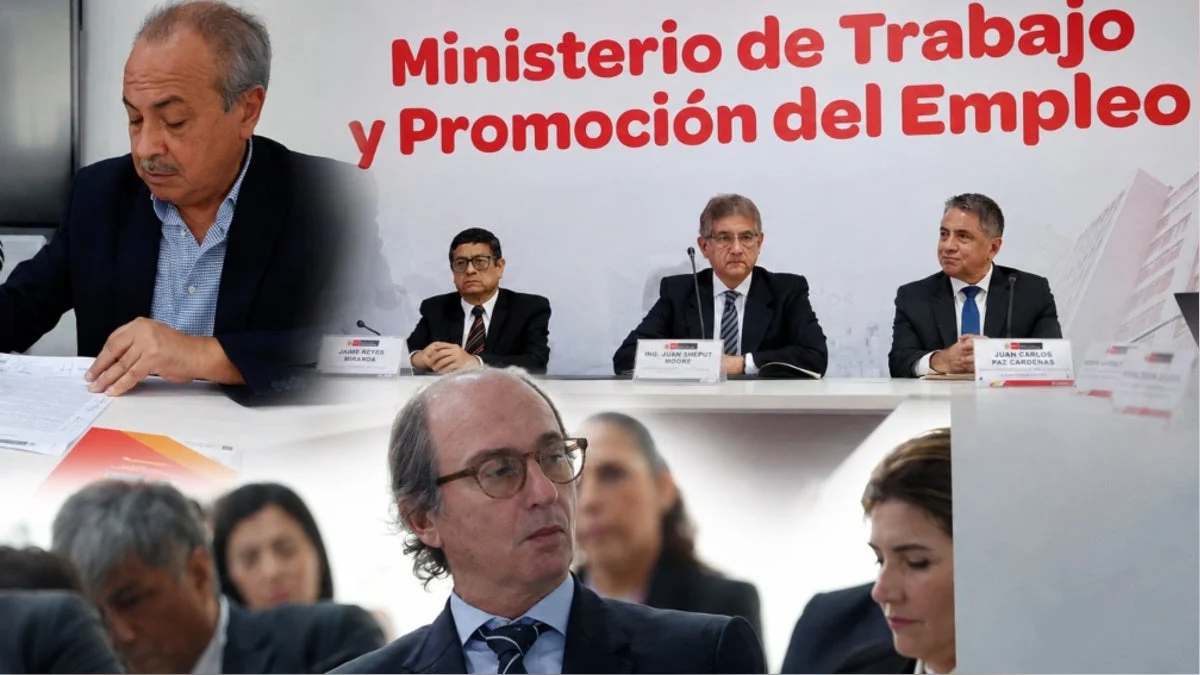
The Council for National Labor (Consejo Nacional de Trabajo, CNT) in Peru, the tripartite forum comprising government officials, labor union representatives, and private sector leaders, convened on September 3, 2026, for a high-stakes session. The central objective: to formalize the roadmap for increasing the Remuneración Mínima Vital (RMV), or the national minimum wage. While all parties have publicly signaled their support for raising the floor from its current level of S/ 1,130 to S/ 1,300, the meeting exposed deep-seated fractures regarding the timeline and the technical methodology for this adjustment.
This development marks a critical juncture in the early administration of President Keiko Fujimori, who positioned the wage hike as a flagship promise in her inaugural address. However, as the deliberations unfolded, it became clear that bridging the gap between labor’s demand for immediate relief and the business sector’s caution regarding economic competitiveness will be a formidable task.
The Core Conflict: Timing and Mechanism
The session concluded with an official record—the sixth formal agreement of the day—explicitly stating that workers and employers remain at odds. While there is a broad, philosophical consensus that an increase is necessary to help families cope with inflationary pressures, the "how" and the "when" remain shrouded in uncertainty.
The Ministry of Economy and Finance (MEF) had previously floated a proposal to implement the increase in a staggered fashion: a first tranche of S/ 100, followed by a second increase of S/ 70. The rationale behind this dual-stage approach is to cushion the financial blow to Micro and Small Enterprises (MYPEs), which often operate on razor-thin margins. Employers fear that a sharp, sudden increase could lead to layoffs or a rise in the already pervasive informal labor market. Conversely, labor leaders have expressed frustration with the slow pace of negotiations, arguing that the cost of living has already far outpaced the current S/ 1,130 threshold.
Chronology of a Promise
To understand the current impasse, one must look at the recent history of labor policy in Peru:
- January 2025: Under the administration of former President Dina Boluarte, the minimum wage was adjusted from S/ 1,025 to S/ 1,130. This marked the last official change to the salary floor before the current administration took office.
- July 28, 2026: In her first Message to the Nation, President Keiko Fujimori officially pledged to increase the minimum wage by S/ 170, bringing the new total to S/ 1,300. This announcement was framed as a direct response to the economic challenges faced by low-income households.
- August 2026: Preliminary discussions within the government suggested a potential split-increase model, causing immediate pushback from labor unions who demanded a faster, more substantial implementation.
- September 3, 2026: The CNT holds an extraordinary session. Despite high expectations for a definitive calendar, the meeting ends with the parties acknowledging their inability to reach a final agreement on the implementation timeline.
Supporting Data: The Economic Landscape
The debate over the RMV does not occur in a vacuum. It is heavily influenced by macroeconomic indicators and the structure of the Peruvian labor market.
The Informal Economy Challenge
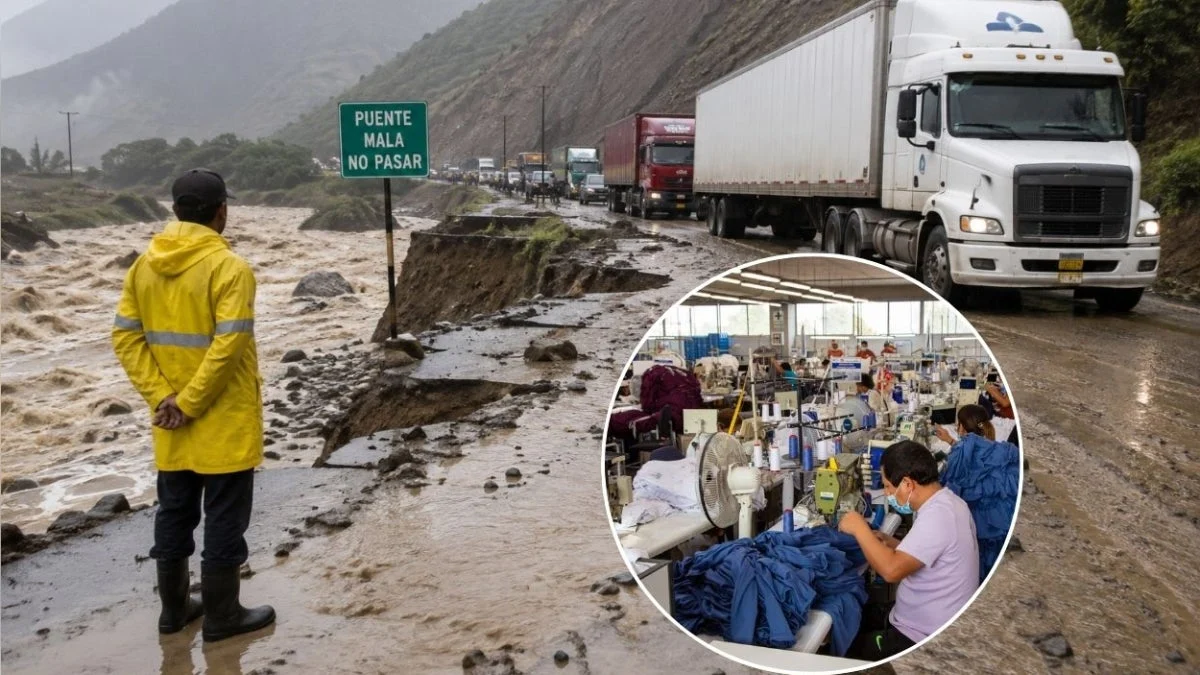
One of the most significant arguments cited by the private sector is the high level of informality in Peru. According to recent data from the National Institute of Statistics and Informatics (INEI), a vast majority of the workforce operates outside the formal, regulated system. When the minimum wage is increased, companies—particularly small ones—often struggle to maintain payroll compliance, which can lead to a decrease in formal hiring.
Inflation and Purchasing Power
Labor unions point to the Consumer Price Index (CPI) and the rising costs of essential goods and services. Since the last increase in early 2025, inflation has eroded the purchasing power of the S/ 1,130 wage. Economists note that while productivity gains should theoretically drive wage increases, the reality in the Peruvian service and manufacturing sectors has been sluggish, creating a "productivity gap" that complicates the wage-setting process.
Institutionalizing the Adjustment
A significant outcome of the September 3 session was the directive given to the Special Commission on Productivity and Minimum Wages (CEPSM). The CNT has tasked this body with designing a technical framework to institutionalize the methodology for future wage adjustments.
This move is intended to take the "politics" out of the minimum wage. By establishing a set of objective indicators—such as inflation, productivity growth, and employment rates—the government hopes to create an automatic, predictable formula. If successful, this would prevent the kind of protracted negotiations currently stalling the S/ 170 increase. The commission is expected to compile a comprehensive report that will be presented to the full CNT plenary in the coming weeks.
Official Responses and Stakeholder Perspectives
The Government’s Stance
Minister of Labor and Employment Promotion, Juan Sheput, has remained cautious in his public statements. While acknowledging that the goal is to reach S/ 1,300, he has repeatedly emphasized that "there is no fixed date yet." The administration is walking a tightrope: it must deliver on a populist campaign promise while maintaining the confidence of the business community, which is wary of any policy that could spark a wage-price spiral or discourage investment.
The Business Perspective
Representatives from major business chambers have argued that an increase of S/ 170 represents a significant rise in labor costs, which includes not just the salary itself, but also social security contributions and benefits. They are calling for a "gradualist" approach that allows companies to absorb the costs over an extended period. Some industry leaders have suggested that the government should provide tax incentives to companies that maintain formal employment levels despite the increased wage floor.
The Labor Perspective
Labor union leaders have expressed disappointment at the lack of a clear timeline. Their argument is centered on the concept of "social urgency." They contend that for a worker earning the minimum, an extra S/ 170 per month is the difference between meeting basic nutritional needs and falling into poverty. They have urged the government to prioritize the worker over the "theoretical concerns" of the corporate sector, threatening potential industrial action if the negotiations continue to drag on without a concrete start date.
Implications: What Lies Ahead?
The stalemate at the CNT has profound implications for the Fujimori administration.
1. Political Credibility: The inability to implement a key campaign promise within the first few months of the term risks undermining the government’s image as a decisive administration. If the wage hike remains in limbo, the opposition is likely to seize on this as evidence of government incompetence or a lack of commitment to the working class.
2. Economic Stability: A sudden, large increase in the minimum wage could indeed trigger inflationary pressure in the short term. The government must balance the immediate need for social relief with the long-term goal of price stability.
3. Future Labor Relations: The success of the CEPSM in creating a technical, non-political formula for wage adjustments will be a litmus test for the effectiveness of the CNT. If the commission can provide a data-driven path forward, it may help restore trust between the state, the private sector, and labor unions.
As it stands, the ball is in the court of the technical commissions. The coming weeks will be critical as the government attempts to reconcile the competing demands of the labor market. While the figure of S/ 1,300 is no longer in dispute, the journey to reaching that number remains fraught with political and economic obstacles that will test the resolve and the negotiation skills of all involved parties.
The citizens of Peru, particularly those living on the margins of the formal economy, remain in a state of "wait-and-see," hoping that the next meeting of the Council for National Labor will produce not just more talk, but a definitive, actionable plan to improve their economic reality.