By Editorial Staff, Peru Construye
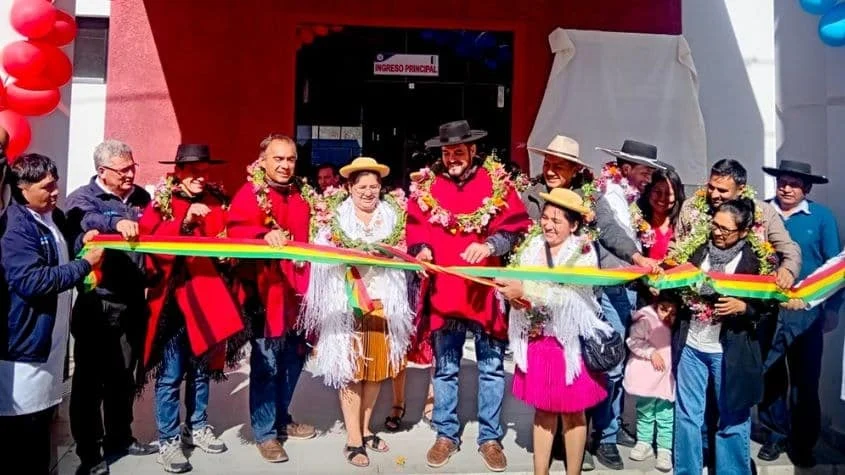
In a significant move to decentralize and improve public health access in the Tarija department, the Bolivian government—through the Unit for Special Projects (UPRE)—has officially inaugurated a state-of-the-art health center in Iscayachi, located in the El Puente municipality. This infrastructure project represents a vital milestone in the regional effort to provide high-quality medical services to populations that have historically faced barriers to healthcare access.
Main Facts: A Hub for Integrated Health
The newly commissioned facility is designed to serve as a comprehensive medical hub, catering to the needs of 6,066 residents of Iscayachi and surrounding rural communities. With a total investment of 6,088,754 bolivianos, the facility spans a built area of 1,838.02 square meters, reflecting a modern approach to regional health infrastructure.
The center is not merely a clinic; it is a multi-functional medical unit equipped with specialized departments that address the full spectrum of patient care. From emergency medical attention to maternal health, the facility includes:
- Inpatient Care: Dedicated wards for both men and women, ensuring comfortable recovery environments.
- Maternal and Neonatal Health: Specialized wings for pre-natal care, labor, delivery, and newborn monitoring.
- Diagnostic Capabilities: Integrated nursing stations and ultrasound technology to facilitate early diagnosis and intervention.
- Nutritional and Educational Services: A dedicated nutrition office, along with multi-purpose rooms for community training and health awareness programs.
Furthermore, the design adheres to modern accessibility standards, featuring specialized hygienic facilities for people with disabilities, ensuring that healthcare is inclusive for all community members.
Chronology: From Planning to Patient Care
The realization of the Iscayachi Health Center is the result of a strategic multi-year planning effort aimed at closing the gap in rural infrastructure.

Phase I: Needs Assessment. The project began with a localized analysis of the El Puente municipality, which identified a critical deficit in medical facilities for the dispersed populations residing in the mountainous regions of Tarija.
Phase II: Design and Financing. The UPRE worked in coordination with local authorities to design a facility that could withstand the specific geographic challenges of the region while providing the necessary technical capacity for modern medical equipment. The allocation of 6.09 million bolivianos was finalized as part of a national push to improve social infrastructure.
Phase III: Execution and Construction. Construction crews focused on creating a building that integrates functional clinical spaces with logistical support, such as the inclusion of on-site housing for medical professionals—a critical feature for attracting and retaining talent in remote areas.
Phase IV: Inauguration and Handover. The project was delivered fully equipped and ready for operation, marking a transition from a construction site to a functioning public asset that will now serve over ten different communities in the department.
Supporting Data: Infrastructure and Capacity
The technical specifications of the center underscore the scale of the investment. Spanning 1,838.02 square meters, the architecture is tailored for efficiency. A key highlight is the inclusion of a residential wing for medical staff, which includes four bedrooms, a kitchen, a dining area, a laundry room, and full sanitary facilities. This design choice addresses the historical challenge of medical staff turnover in rural areas, providing a sustainable living arrangement that ensures 24/7 medical availability.
The facility’s focus on maternal health is particularly notable. Given the rural geography of Tarija, the ability to provide on-site labor and delivery services, including pre-parto and neonatal care, is expected to significantly reduce health risks for pregnant women and their children. The integration of nutritional consulting and demonstration spaces also reflects a proactive, preventative approach to health, focusing on long-term wellness rather than just acute treatment.

Official Responses and Local Impact
During the inauguration ceremony, the Mayor of El Puente, Sara Armella Rueda, emphasized the transformative nature of the project. "This is not just a building; it is a promise kept to the people of our rural communities," she stated. "By delivering this center fully equipped, we are ensuring that the ten-plus communities served by this network no longer have to travel vast distances to receive basic or urgent care."
Local leaders have echoed these sentiments, noting that the presence of the health center serves as a cornerstone for local development. The project is expected to boost the local economy by providing stable employment for medical and administrative staff, while simultaneously improving the quality of life for families who previously lacked access to diagnostic and clinical services.
Implications: The Broader Context of Rural Development
The Iscayachi health project is a microcosm of the broader strategy being implemented across Bolivia to modernize public infrastructure. The project highlights several critical trends in the South American construction and public health sectors:
1. Decentralization of Public Services
By placing modern facilities directly within municipalities like El Puente, the government is reducing the strain on regional hospital networks in Tarija city. This "hub-and-spoke" model ensures that primary and secondary care are handled at the community level, reserving major hospitals for tertiary, high-complexity cases.
2. The Role of Specialized Construction (UPRE)
The success of this project illustrates the importance of state-led specialized units (like UPRE) in executing public works. By streamlining the bidding, construction, and delivery processes, these units can overcome the bureaucratic bottlenecks that often delay social projects.
3. Sustainability through Design
The inclusion of residential facilities for doctors signals a shift toward holistic planning. In many developing nations, the "brain drain" of medical professionals from rural areas to urban centers remains a significant challenge. By providing high-quality, on-site housing, the project aims to create a more stable, committed medical workforce.

4. Inclusive Infrastructure
The focus on accessibility—specifically the inclusion of sanitary facilities for individuals with disabilities—reflects a growing awareness of human rights in public works. Modern infrastructure is no longer just about square footage; it is about ensuring that every citizen, regardless of physical ability, has equitable access to public services.
Future Outlook: Looking Ahead
The Iscayachi health center serves as a blueprint for future rural developments. As the facility moves into its first year of operation, the focus will shift to maintenance, staff training, and the integration of digital health records to monitor patient outcomes.
The success of this project will likely encourage further investments in similar rural areas. The ability to manage such a significant budget—over 6 million bolivianos—efficiently and effectively sets a high bar for future infrastructure projects in the Tarija department.
In conclusion, the inauguration of the Iscayachi health center is a testament to the power of targeted, community-centric investment. By prioritizing the health of its citizens, the municipality of El Puente has taken a giant leap toward closing the developmental gap between rural and urban centers, ensuring that the inhabitants of these ten communities can look forward to a healthier, more secure future. As these walls serve their purpose, they stand as a symbol of progress, demonstrating that quality healthcare is not a luxury, but a fundamental right that can be brought to any corner of the country through strategic investment and diligent execution.