Executive Summary: The September 4th Market Snapshot
As of Friday, September 4, the Peruvian foreign exchange market closed with the United States dollar trading at S/ 3.36, according to the official data released by the Central Reserve Bank of Peru (BCRP). This figure represents a marginal but significant appreciation of 0.09% compared to the previous trading session.
While a movement of less than a tenth of a percentage point might appear negligible to the casual observer, in the complex architecture of international finance, it serves as a bellwether for domestic purchasing power and macroeconomic health. For the average Peruvian consumer, this shift—however slight—functions as a reminder of the nation’s integration into the global economy and the sensitivity of local prices to currency fluctuations.
The Mechanics of Exchange: A Chronology of Recent Trends
To understand the current standing of the Sol against the Greenback, one must look at the recent trajectory of the Peruvian economy. Over the preceding weeks, the exchange rate has been subject to various pressures, including global investor sentiment toward emerging markets, the price of copper (Peru’s primary export), and the internal monetary policy decisions made by the BCRP.
Early September Volatility
In the lead-up to September 4, the market exhibited a trend of cautious optimism followed by corrective adjustments. Traders noted that liquidity in the interbank market remained stable, yet the demand for foreign currency saw periodic spikes driven by corporate hedging. The 0.09% rise witnessed on Friday was the culmination of a week marked by fluctuating global indices, which prompted local institutional investors to reallocate their portfolios, thereby exerting upward pressure on the dollar.
Historical Context
Historically, the S/ 3.36 mark sits within the target band established by the Central Bank to maintain competitiveness while preventing excessive inflationary pressure. Throughout the year, the BCRP has utilized its significant international reserves—one of the largest in the region—to intervene during episodes of excessive volatility. This proactive stance has successfully shielded the Sol from the extreme devaluations seen in other South American economies.
Supporting Data: The Anatomy of the Exchange Rate
The exchange rate is not merely a number on a screen; it is the synthesis of myriad economic variables. To provide a comprehensive view of why the dollar reached S/ 3.36, we must analyze the data through several lenses:
- The Trade Balance: Peru’s trade balance remains heavily influenced by commodity prices. When the global price of gold, copper, or zinc rises, the supply of dollars in the Peruvian market increases, which traditionally strengthens the Sol.
- The Monetary Policy Rate: The BCRP’s decision to maintain a specific reference interest rate directly impacts the "carry trade"—where investors move capital to countries with higher yields. If the BCRP lowers rates to stimulate growth, the Sol may weaken against the dollar.
- Foreign Direct Investment (FDI): Consistent FDI flows into the mining and energy sectors act as a floor for the value of the Sol. Recent stability in long-term project investments has prevented the currency from experiencing sharper declines despite global economic headwinds.
Official Perspectives: The Mandate of the Central Reserve Bank (BCRP)
The BCRP, led by its board of governors, operates under a mandate of price stability and institutional autonomy. Unlike many other central banks in the region, the BCRP has historically maintained a high degree of independence from political cycles, which has been instrumental in keeping inflation within its target range of 1% to 3%.
The Role of Monetary Policy
The primary tool at the bank’s disposal is the adjustment of the reference interest rate. By regulating the cost of credit, the BCRP influences domestic consumption and investment. When the economy shows signs of overheating, the bank raises rates to curb inflation. Conversely, during periods of contraction, it lowers rates to facilitate lending.
Currency Intervention
The BCRP employs a "dirty float" regime. This means that while the market determines the exchange rate, the BCRP intervenes when it perceives that the currency is fluctuating due to speculative "noise" rather than economic fundamentals. By selling or buying dollars in the spot market, the bank ensures that the Sol does not experience sudden, disruptive jumps that could paralyze business planning.
Implications for the Peruvian Economy
The rise of the dollar to S/ 3.36 carries tangible consequences for the daily lives of citizens and the operational costs of local enterprises.
Impact on the Consumer
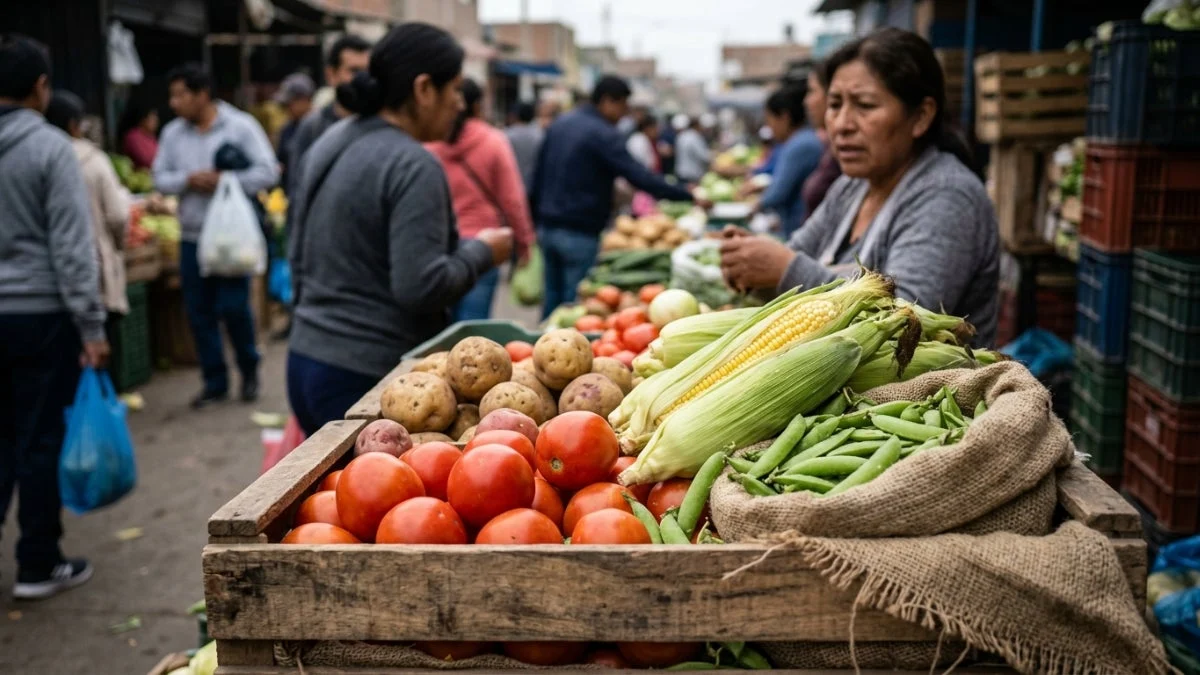
The most immediate effect of a stronger dollar is the "pass-through" effect on imported goods. Peru imports a significant portion of its technology, specialized machinery, and various food staples (such as wheat and corn). As the dollar rises, the cost of acquiring these goods in foreign markets increases, leading to higher price tags at supermarkets and retail stores.
- Technology and Electronics: Since most electronic devices are priced in dollars at the wholesale level, a weakening Sol leads to immediate price hikes for smartphones, laptops, and home appliances.
- Energy and Transportation: While the price of oil is denominated in dollars, the local fuel price is also sensitive to the exchange rate. A sustained rise in the dollar can ripple through the logistics chain, increasing the cost of transportation for goods, which in turn drives up the price of fresh produce.
Implications for Businesses and Debt
For companies with debt denominated in dollars but revenues in Soles, the currency fluctuation creates a "mismatch." A 0.09% increase may seem small, but for large corporations with massive debt loads, even minor fluctuations require significant adjustments in financial hedging strategies.
Conversely, the export sector—particularly agriculture and mining—benefits from a higher dollar. Exporters receive more Soles for every dollar earned, which boosts their margins and allows for greater reinvestment in local operations.
Navigating the Future: Stability in an Uncertain Global Climate
The question for investors and families alike is: "Where does the currency go from here?" While predicting the exact trajectory of the exchange rate is an exercise in probability, the consensus among economists is that the Peruvian economy remains structurally resilient.
Risk Factors
- Global Geopolitical Tensions: Trade disputes between global superpowers continue to create uncertainty, driving investors toward "safe-haven" assets like the U.S. dollar.
- Domestic Political Climate: As is common in many emerging markets, political stability is a key driver of investor confidence. Any perceived weakening of institutional frameworks can lead to capital flight and a depreciation of the local currency.
Strategies for Financial Protection
For the individual, protecting one’s wealth against currency volatility involves diversification. Financial experts suggest:
- Debt Management: Avoid taking on long-term debt in currencies other than the one in which you earn your primary income.
- Portfolio Diversification: Maintaining a portion of savings in diversified instruments—including those linked to foreign assets—can provide a buffer against local currency devaluation.
- Informed Decision Making: Understanding that the BCRP is actively monitoring the situation provides a level of reassurance. Decisions should be made based on long-term economic trends rather than short-term market panic.
Conclusion: The Institutional Anchor
The Friday, September 4th, exchange rate of S/ 3.36 serves as a snapshot of a larger, ongoing process. Through the watchful eye of the Central Reserve Bank of Peru, the nation has managed to navigate the complexities of global finance with a steady hand. While the rising dollar presents challenges for the average consumer, it is also a reflection of the global economic currents that define modern Peru.
By maintaining a focus on low inflation and fiscal responsibility, the Peruvian authorities continue to provide the necessary environment for long-term growth. For the citizen, the key to navigating these shifts lies in understanding that while the dollar may fluctuate, the underlying strength of the Peruvian economy is anchored by the persistent, professional oversight of its monetary institutions. As the markets open for the next week, observers will continue to track these numbers—not as isolated figures, but as essential indicators of the nation’s ongoing economic journey.