By International Affairs Desk
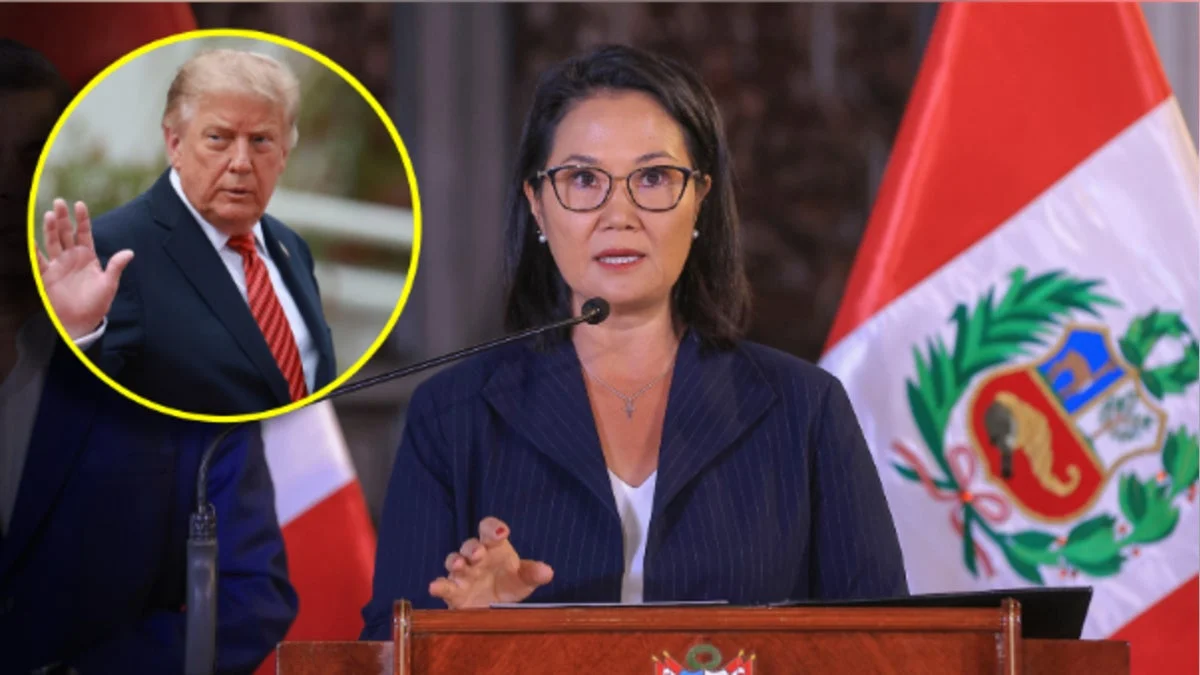
In a significant move aimed at repositioning the nation on the global stage, President Keiko Fujimori has announced an intensive schedule of international engagements, headlined by a high-stakes diplomatic visit to the United States and a strategic pivot toward Asian markets. The President, who recently submitted a formal request to the Senate for authorization to travel, aims to leverage the 81st session of the United Nations General Assembly (UNGA) to secure foreign investment, address climate-related infrastructure needs, and strengthen bilateral ties with key global leaders, including U.S. President Donald Trump and Chinese President Xi Jinping.
The Core Objective: Leveraging Global Forums for National Interest
President Fujimori’s proposed travel itinerary, spanning September 21 to September 25, marks her first official trip abroad since assuming office. The primary objective of this mission is twofold: to project a stable, pro-investment image of the country to the international business community and to secure multilateral cooperation for urgent domestic challenges, most notably the impending impact of the El Niño phenomenon.
Speaking in an exclusive interview with RPP, the President emphasized that her administration’s foreign policy is not merely symbolic but deeply tied to the nation’s economic recovery. "The participation in the UN General Assembly is the anchor, but the real work happens in the side meetings," Fujimori noted. She highlighted scheduled engagements with the Council of the Americas, the Atlantic Institution, and an investor forum organized by the CAF (Development Bank of Latin America).
Key Diplomatic Highlights
- The UNGA Participation: President Fujimori is scheduled to deliver a formal address during the high-level debate of the UN General Assembly, where she is expected to prioritize climate resilience and regional security.
- The Presidential Dinner: In a noteworthy development, the President confirmed an invitation from U.S. President Donald Trump to a protocol dinner for visiting heads of state. This meeting, should it proceed, represents a vital opportunity for high-level dialogue on trade agreements and security cooperation.
- Asian Pivot: Looking beyond the U.S. trip, the President confirmed plans to attend the APEC Leaders’ Summit in Shenzhen, China, in November. She has already initiated the process to request a bilateral meeting with President Xi Jinping, citing the critical importance of Asian markets for national economic growth.
Chronology of the Presidential Mission
The logistics of the upcoming diplomatic push are meticulously planned to maximize the impact of every hour spent abroad.
September 21: Departure from the capital. The President will arrive in New York, initiating a series of preliminary meetings with diplomatic envoys and private sector stakeholders.
September 22–24: The heart of the UNGA mission. President Fujimori is slated to take the podium as one of the early speakers in the General Assembly, focusing on the country’s commitment to democratic stability and economic reform. During these three days, she will shuttle between the United Nations headquarters and private meetings with institutional investors and the leadership of the CAF.
September 25: Following the conclusion of the UNGA events, the President is scheduled to return to the country.
November 18–19: The focus shifts to the Pacific Rim. The administration is currently preparing for the APEC summit in Shenzhen, where the government intends to sign updated memoranda of understanding regarding infrastructure financing and technology transfers.
Supporting Data: Economic Diplomacy and Infrastructure
A central theme of President Fujimori’s outreach is the procurement of non-reimbursable aid and private capital to bolster domestic infrastructure. The government is acutely aware that the country remains vulnerable to natural disasters, particularly the oscillation of the Pacific climate.
During her interview, the President highlighted a significant recent success in her "quiet diplomacy" efforts: a $10 million grant from the Japan International Cooperation Agency (JICA). These funds are earmarked for the acquisition of heavy machinery specifically designed to mitigate the risks associated with the El Niño phenomenon.
"We are building on the foundations of the 1990s," the President remarked, referencing historical periods of strong Japanese-Peruvian cooperation. "We are inviting the international community to bet on us again—not just through aid, but through substantial, long-term private investment."
The administration has made it clear that this diplomatic offensive is a collaborative effort. The Ministers of Economy, Foreign Trade, and Energy and Mines are playing integral roles in the preparation of these summits, ensuring that the government speaks with a unified voice regarding its fiscal policy and regulatory framework.
Official Responses and Legislative Oversight
The path to the United Nations is not without its domestic requirements. As mandated by the Constitution, President Fujimori cannot leave the country without the explicit authorization of the Senate.
On the legislative front, the President, accompanied by the President of the Council of Ministers, Luis Galarreta, formally presented the resolution project to the Senate yesterday. The document outlines the scope of the trip and clarifies that during the President’s absence, the executive office will be led by the first Vice President, Luis Galarreta.
Political Implications of the Travel Authorization
The request for travel has become a focal point for legislative debate. While the opposition has generally recognized the necessity of the President’s presence at the UN, some factions have linked their support for the travel permit to the executive’s willingness to prioritize specific legislative reforms, including the "facultades legislativas" (legislative powers) requested by the government to combat rising crime rates.
"The Senate is evaluating the request with the gravity it deserves," said a spokesperson for the legislative majority. "We understand the importance of the President’s presence at the UN, but we also expect the executive to remain focused on the security of our streets and the urgent needs of the provinces facing the climate crisis."
President Fujimori has sought to de-escalate these tensions, explicitly stating that her administration is not looking for a "question of confidence" (cuestión de confianza) regarding the legislative powers, but rather a consensus-based approach to governance.
Future Implications: A New Era of Foreign Policy
The implications of this diplomatic shift are far-reaching. By prioritizing high-level contact with the United States and China simultaneously, the government is signaling a pragmatic, "non-aligned" approach to foreign policy. The administration’s focus on attracting investment from Japan—specifically targeting the technology and infrastructure sectors—further suggests a diversification strategy intended to insulate the domestic economy from regional volatility.
The Security Nexus
Beyond economics, the President’s agenda reflects a growing preoccupation with internal security. Her recent proposal to classify criminal organizations such as El Tren de Aragua, Los Pulpos, and La Jauría as terrorist groups is expected to be a topic of discussion during her international meetings. By framing internal security as a component of regional stability, the President is attempting to align her domestic agenda with the broader hemispheric security concerns of her counterparts in the United States and the United Nations.
The "Bet on the Country" Campaign
The upcoming trip serves as the launchpad for a broader campaign to rebrand the nation as a safe haven for foreign direct investment (FDI). With the global economy facing headwinds, the President’s message is clear: the country is open for business, its institutions are strengthening, and its government is committed to providing the legal certainty that international investors demand.
As the Senate prepares to vote on the travel authorization, the eyes of the nation are fixed on the potential outcomes of these high-level summits. Whether the result is a influx of new capital or a strengthened diplomatic alliance, President Fujimori’s push for a more visible international presence marks a decisive chapter in her administration’s tenure.
The coming months will determine if this ambitious travel schedule translates into the tangible economic and security benefits that the President has promised to the electorate. For now, the administration remains focused on the upcoming session in New York, confident that the path to national prosperity is paved with active, engagement-focused diplomacy.