By Editorial Staff
The city of Abancay, the vibrant capital of the Apurímac region in Peru, is preparing for a significant urban metamorphosis. The Municipalidad Provincial de Abancay has officially announced the commencement of a comprehensive revitalization project for its iconic Plaza de Armas. With a dedicated investment exceeding S/ 2.59 million, sourced directly from the regional mining canon, this project aims to bridge the gap between historical preservation and modern urban functionality.
The initiative, officially registered under the project name "Mejoramiento del Servicio de Espacios Públicos Urbanos en Plaza de Armas" (CUI: 2631416), is more than a mere cosmetic facelift. It is a strategic effort to reclaim the city’s central hub, ensuring it remains a safe, accessible, and aesthetically representative space for the residents of Abancay and visitors alike.
Main Facts: A Blueprint for Renewal
The project represents a calculated investment in public infrastructure. By utilizing the mining canon—funds derived from the extractive industries that drive much of the regional economy—the municipality is demonstrating a commitment to reinvesting wealth back into the community’s social fabric.
- Total Investment: Over S/ 2.59 million.
- Duration: Estimated four-month execution window.
- Target Completion: November 2026.
- Methodology: Direct administration (Administración Directa).
- Primary Objective: To resolve structural deterioration while enhancing the plaza’s role as a social and civic center.
The project addresses years of wear and tear. The current ceramic flooring, which has succumbed to the pressures of high pedestrian traffic and environmental exposure, will be replaced with robust basalt stone. This choice of material is not merely for aesthetics; basalt is renowned for its durability and anti-slip properties, essential for the safety of the elderly and children who frequently populate the square.
Chronology and Strategic Planning
The path to this transformation has been characterized by careful deliberation. Understanding that the Plaza de Armas serves as the "living room" of the city, the local government has spent the last several months finalizing the technical expediente (technical file) to ensure that the intervention meets both legal and safety standards.
- Initial Planning Phase: Assessment of the structural integrity of the existing infrastructure, including drainage, electrical systems, and the condition of the iconic palm trees.
- Approval Stage: Finalization and approval of the technical expediente, ensuring compliance with municipal and regional building codes.
- Public Engagement: Following public concern, Mayor Raúl Peña Sánchez convened a series of informational meetings to clarify the scope of the project, specifically addressing fears regarding potential demolition.
- Procurement: A significant portion of the construction materials has already been acquired, a strategic move intended to mitigate supply chain disruptions and ensure the project maintains its momentum.
- Execution Commencement: The project is currently entering its active phase, with the mayor pledging to utilize extended shifts to meet the ambitious November 2026 deadline.
Official Responses: Addressing Public Concerns
When dealing with a space as culturally sensitive as a Plaza de Armas, public scrutiny is expected. Mayor Raúl Peña Sánchez has been at the forefront of the communication strategy, ensuring that the narrative remains focused on "renovation" rather than "destruction."
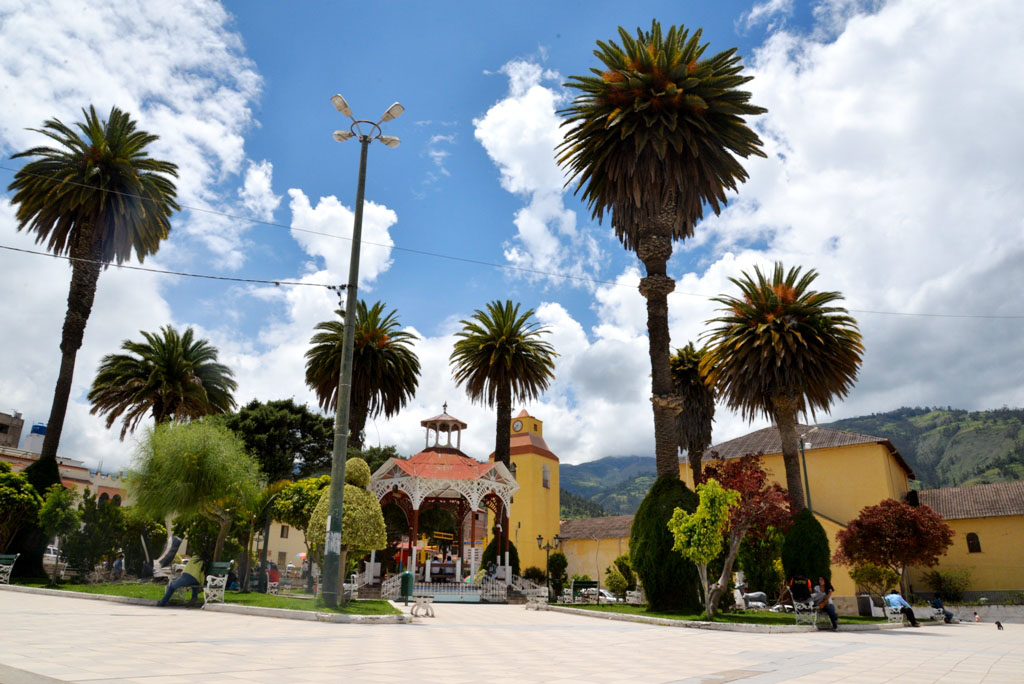
"A Plaza de Armas is like the living room of a family," Mayor Peña stated during a recent town hall meeting. His analogy resonated with the public, emphasizing that the goal is to make the space more welcoming and functional, not to erase its historical character.
The mayor has been particularly adamant about dispelling rumors regarding the fate of the seven iconic palm trees that have stood as silent sentinels over the plaza for decades. These trees are not merely botanical specimens; they are deeply symbolic, representing the seven provinces of the Apurímac region. Mayor Peña confirmed that not a single tree will be removed. Instead, the project includes a comprehensive care plan: professional fertilization, structural pruning, and the removal of dead foliage to ensure their longevity and safety for years to come.
Furthermore, regarding administrative transparency, the mayor emphasized that the municipal government is operating under strict adherence to the directives of the Contraloría General de la República (the Comptroller General). By complying with Directive N.º 017, the municipality seeks to ensure that the project is not only high-quality but also financially transparent and free from mismanagement.
Supporting Data: Enhancing Urban Infrastructure
The technical scope of the project is extensive. Beyond the surface-level changes, the municipality is investing in the underlying "arteries" of the square.
Structural and Utility Upgrades
The current electrical and pluvial (rainwater) systems are antiquated. The renovation will see a total overhaul of the underground infrastructure, preventing the flooding issues that have plagued the area during the rainy season and modernizing the lighting to improve evening security.
Landscaping and Flora
The introduction of new arborization, specifically jacarandas and Pisonay trees, is designed to provide natural cooling and beauty. These species are well-suited to the local climate and are expected to thrive with the newly installed irrigation systems.
Recreational and Cultural Additions
To make the plaza a year-round destination, the project introduces:
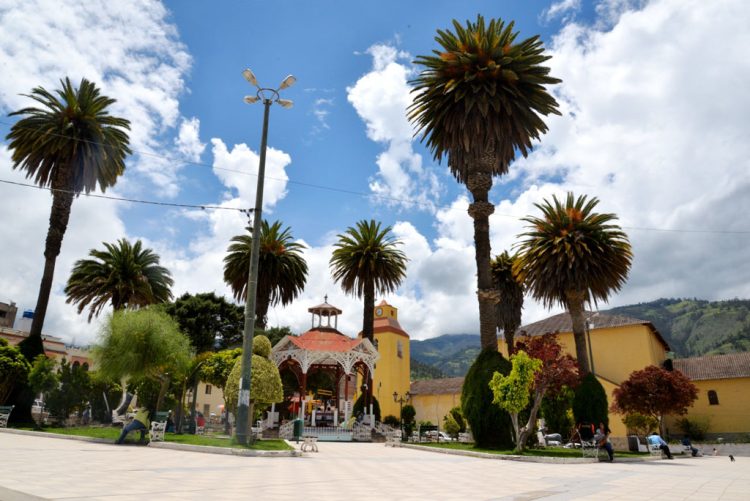
- Shaded Pergolas: Located along Jirón Lima, these structures will provide much-needed respite from the Andean sun.
- Water Features: Innovative "water arches" are planned for the summer months, creating a dynamic environment for families and children.
- Monumental Portal: A new architectural entrance will define the transition into the plaza, serving as a landmark for tourists.
- Religious Tribute: A significant sculpture of the Virgen del Rosario, the patron saint of Abancay, will be installed, acknowledging the deep-seated faith and traditions of the local population.
Implications: A Catalyst for Civic Life
The renovation of the Plaza de Armas carries implications that extend far beyond the construction site.
Economic Impact
By creating a more attractive and comfortable environment, the municipality anticipates an increase in pedestrian traffic. This, in turn, is expected to benefit local businesses, cafes, and artisans who operate in the immediate vicinity of the square. A revitalized plaza is an investment in local tourism, positioning Abancay as a more professional and welcoming destination in the Apurímac corridor.
Social Cohesion
The reorganization of the space between the Cathedral and the historic glorieta is designed to facilitate civic gatherings. Currently, the spatial flow can be chaotic during public events. By creating a dedicated, well-planned area for civic ceremonies, the project acknowledges the plaza’s role as the stage for the city’s political, social, and religious life.
The Symbolic Value of Preservation
The decision to preserve the traditional glorieta—a structure that occupies a place of honor in the collective memory of every Abanquino—is a testament to the project’s sensitivity. Modern urban planning often falls into the trap of "tabula rasa" (clearing everything to start fresh), but the Abancay administration has opted for a "heritage-led" approach. By keeping the glorieta while upgrading its surroundings, the project creates a dialogue between the past and the future.
Future Outlook: The Path to November
As the project progresses, the eyes of the region are on Abancay. The "Direct Administration" model, while placing a heavy burden of responsibility on the municipal technical teams, offers the advantage of greater control over quality and pace.
Mayor Peña’s promise to explore double-shift work schedules is an acknowledgement of the urgency felt by the citizens to see their plaza completed before the end of the year. If successful, the project will serve as a model for how medium-sized cities in the Peruvian Andes can utilize natural resource revenues to create sustainable, high-quality public spaces.
The successful completion of this project in November 2026 would be a landmark achievement for the current administration. It would provide the people of Abancay with a functional, beautiful, and deeply symbolic space that honors the seven provinces of Apurímac, respects the religious traditions of the region, and provides a modern, safe, and vibrant environment for the next generation. As the fences go up and the construction begins, the mood in the city is one of cautious optimism—a belief that the heart of Abancay is about to beat stronger than ever before.