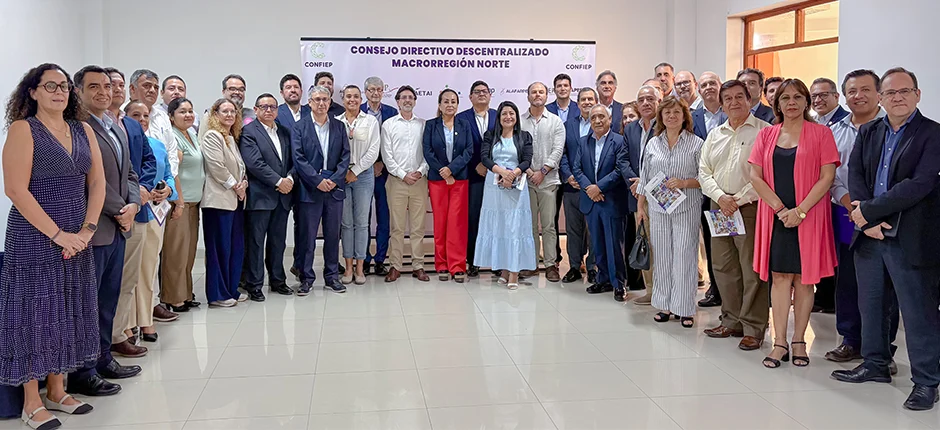
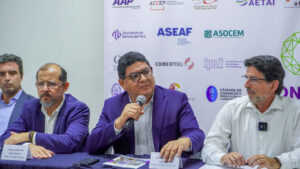
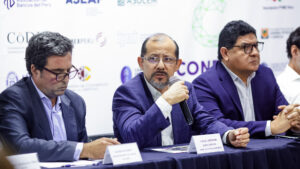
PIURA, PERU – In a high-stakes gathering held at the headquarters of the Piura Chamber of Commerce, the leadership of the National Confederation of Private Business Societies (CONFIEP) convened with regional commerce chambers and key stakeholders from the Macro Northern Region. The objective was clear and urgent: to forge a collaborative strategy between the private sector, local authorities, and the national government to mitigate the catastrophic potential of the impending El Niño (FEN) phenomenon.
As climate experts forecast significant environmental and economic disruptions, the private sector is positioning itself as an agile, proactive partner to bridge the gap between state resources and on-the-ground execution.
The Strategic Imperative: Bridging the Public-Private Divide
The meeting, which served as a Decentralized Board of Directors session for the Northern Macrorregion, underscored a fundamental shift in crisis management. Jorge Zapata Ríos, president of CONFIEP, set the tone for the discussion, emphasizing that the time for bureaucratic deliberation has passed.
"With only two or three months remaining before the full brunt of the phenomenon is felt, we must exhaust every possibility for action," Zapata Ríos stated. "The private sector is here to support because companies possess the inherent agility and operational capacity to execute critical works faster than traditional public procurement models might allow."
The core philosophy driving this assembly is "shared responsibility." By leveraging the logistical expertise, supply chain management, and infrastructure capabilities of the private sector, the participants hope to bypass the bottlenecks that typically hinder disaster risk reduction efforts in the northern departments.
Chronology of the Mobilization
The road to this summit in Piura was marked by a series of climate warnings that have steadily intensified throughout 2026.
- Q1 2026: Initial meteorological data indicates an unusual warming of the Pacific waters, suggesting the development of a strong El Niño event.
- May 2026: CONFIEP initiates a nationwide survey among its associates to assess potential vulnerabilities in the national supply chain and infrastructure.
- July 2026: The Northern Chamber of Commerce coalition reports widespread concerns regarding river basin management and flood-prone drainage systems.
- August 2026: Formal planning for the Piura summit commences, with the goal of bringing together representatives from the legislative, executive, and private sectors.
- September 1, 2026: The Decentralized Board of Directors meeting is held in Piura, marking the launch of the "Emergency Response Synergy" initiative.
Key Stakeholders and Institutional Representation
The gravity of the situation was reflected in the high-level attendance. The summit was not merely a business meeting but a cross-sectoral council involving:
The Business Vanguard
The private sector was represented by a robust delegation, including:

- Karsten Kunckel (Association of Automotive Peru – AAP)
- Alejandro Garland & Francisco Osores (CAPECO – Construction)
- Michelle Szejer (National Society of Radio and Television)
- Julio Surco (Small Business Association)
- Juan Pacheco (Association for the Promotion of National Infrastructure – AFIN)
- José Salardi (CODIP – Real Estate)
- Juan Stoessel (ComexPerú)
- Diego Hovispo (ALAFARPE – Pharmaceuticals)
- José Luis Sarrio (IPAI – Auditors)
- Francisco Feliú (ACP – Private Clinics)
Regional Leadership
The regional chambers of commerce, representing the areas most vulnerable to the FEN, provided specific localized insights:
- Javier Bereche (Piura), Elena Ríos (Áncash), Paolo Malaver (Cajamarca), Fernando Guerra (La Libertad), Juan Manuel Scander (Lambayeque), Rafael Tamariz (Santa), and José Huachillo (Sullana).
Multi-Sector Partners
International agencies and state institutions were also present, including representatives from UNICEF, the International Labour Organization (OIT), PROINVERSIÓN, and the Ministry of Economy and Finance (MEF), ensuring that the strategies discussed would align with national policy and international human rights standards.
Supporting Data: The Economic and Humanitarian Stakes
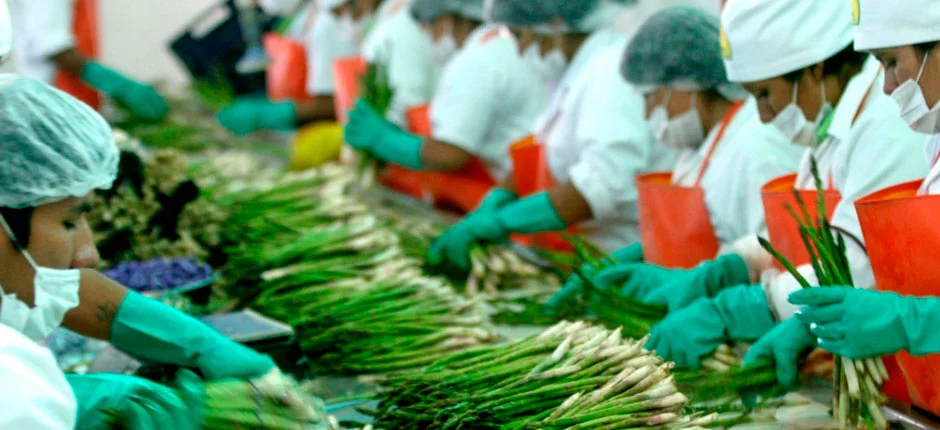
The urgency of the meeting is rooted in hard data. Northern Peru remains the engine of the country’s agricultural export sector, a region that contributes significantly to the GDP through the production of grapes, mangoes, and blueberries.
Historical data from previous El Niño events shows that infrastructure damage—specifically to irrigation canals, rural roads, and public buildings—can lead to a contraction of regional economies by as much as 3% to 5% annually. Furthermore, the disruption of healthcare services and the displacement of populations, particularly in low-lying urban areas like those represented by the mayors of Piura and 26 de Octubre, could result in a humanitarian crisis if prevention works are not completed before the rains arrive.

The inclusion of the "Hombro a Hombro" organization, a specialized entity for business-led humanitarian aid, signals that the private sector is preparing for both "Prevention" (before the rains) and "Response" (during and after the event).
Official Responses and Strategic Pillars
During the session, several strategic pillars were established to guide the collaborative efforts:
1. Infrastructure Hardening
Under the guidance of AFIN and CAPECO, the group identified "bottleneck" projects. These are critical infrastructure points that, if reinforced now, can prevent the isolation of entire towns. The private sector has offered to provide technical monitoring to ensure these works meet international resilience standards.
2. Supply Chain Resilience
ComexPerú and the transport associations highlighted the need to maintain logistics corridors. The focus is on ensuring that essential goods—food, fuel, and medical supplies—can reach the most isolated northern provinces even if primary highways suffer damage.
3. Health and Sanitation
With representatives from the Association of Private Clinics and the pharmaceutical sector (ALAFARPE), the council discussed a coordinated plan to prevent the outbreak of waterborne diseases, which historically plague the north following floods. This includes the strategic pre-positioning of vaccines and medications in high-risk zones.
4. Communication and Transparency
The participation of the National Society of Radio and Television is intended to facilitate a reliable flow of information. Combatting misinformation during a climate crisis is essential to maintaining public order and ensuring that safety alerts reach the most remote communities.
Implications: A New Model for Disaster Management
The meeting in Piura represents a potential template for future public-private cooperation in Peru. By moving from a model of "waiting for government funding" to a "co-investment and co-execution" model, the private sector is effectively signaling a commitment to the long-term stability of the country.
Economic Implications
If these efforts succeed, the region may avoid the massive reconstruction costs that historically follow El Niño. By spending on prevention today, the state and the private sector could save billions of soles in lost productivity and emergency repairs.
Political Implications
The presence of congress members and regional authorities suggests that the political class recognizes the necessity of the private sector’s involvement. However, the success of this initiative will depend on whether the government can provide the necessary legal "fast-tracking" to allow these private-sector initiatives to integrate smoothly with state-funded projects.
Long-term Resilience
Looking beyond the current cycle, the collaboration between entities like PROINVERSIÓN and regional chambers suggests a desire to institutionalize this cooperation. The goal is not just to survive the next few months, but to create a permanent infrastructure for risk management that is robust, transparent, and driven by data.
Conclusion
The summit in Piura has effectively sounded the alarm and, more importantly, provided a roadmap for action. As Jorge Zapata Ríos concluded, the next few months will be a test of coordination and resolve. The private sector has made its offer to the table: capital, operational expertise, and a commitment to the safety of the northern population.
The success of these initiatives now rests on the execution phase. As the rainy season approaches, the eyes of the nation will be on the northern region, watching to see if this unprecedented alliance between business, government, and civil society can indeed turn the tide against the destructive potential of El Niño.
Reported by the Press Office of the CONFIEP.
Date: September 1, 2026