A New Era for Santa Bárbara: Improving Connectivity and Quality of Life
The Lima Regional Government has officially unveiled a landmark infrastructure project in the center of Santa Bárbara, located within the San Luis district of the Cañete province. This comprehensive development initiative, representing a total investment exceeding S/ 9 million, marks a significant milestone in the regional administration’s ongoing efforts to bridge the infrastructure gap in rural and semi-urban communities. By modernizing local transit corridors, the project aims to stimulate economic growth, enhance public safety, and facilitate better access to essential services for thousands of residents.
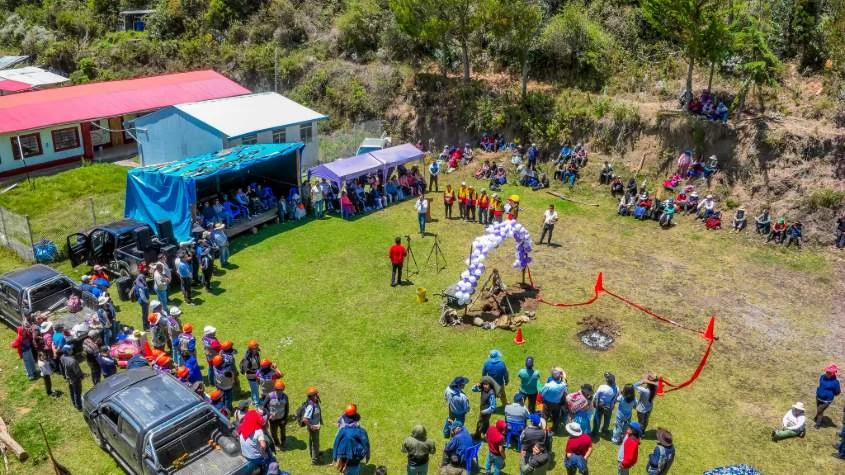
The inauguration ceremony, led by Regional Governor Nicolás Barrera Morán, underscored the administration’s commitment to decentralized development. For the residents of Santa Bárbara, this project is more than just asphalt; it is a fundamental shift in their daily living standards. The improved road network is expected to reduce travel times, lower vehicle maintenance costs for local transporters, and provide a safer, more dignified environment for pedestrians.
Detailed Project Scope and Technical Specifications
The technical execution of the project was designed to address long-standing challenges regarding drainage and road durability in the San Luis district. The project’s scope was comprehensive, touching upon multiple facets of urban civil engineering:

- Pavement Infrastructure: The core of the project involved the placement of a high-quality asphalt layer with a thickness of 5 centimeters, engineered to withstand both heavy transit and the climatic variations typical of the Cañete region.
- Safety and Containment: Recognizing the geographical nuances of the area, the project included the construction of robust retaining walls designed to prevent soil erosion and provide structural stability to the new roadbeds.
- Hydraulic Management: A critical component of the intervention was the installation of modern culverts (alcantarillas). These structures were specifically designed to manage the flow of water from existing irrigation channels, ensuring that road infrastructure remains protected from potential flooding and water-logging, which are common issues in agricultural zones.
- Pedestrian Accessibility: The project integrated the construction of modern sidewalks, creating a dedicated space for pedestrians that separates them from vehicular traffic, thereby significantly reducing the risk of accidents.
- Signaling and Traffic Control: To complete the modernization, comprehensive road signage was installed, including both vertical and horizontal markers, ensuring that traffic flows orderly and safely throughout the community.
Chronology of the Development
The path to completion for the Santa Bárbara road project followed a rigorous schedule of planning, execution, and oversight typical of major public works in the Lima region.
- Initial Planning and Feasibility (Q1 2025): The Lima Regional Government identified the Santa Bárbara sector as a priority area due to the deteriorated state of its roads, which hampered the mobility of the local agricultural and commercial sectors.
- Budget Allocation (Q2 2025): The regional council approved the S/ 9 million budget, marking the transition from theoretical planning to fiscal reality.
- Tendering and Procurement (Q3 2025): Following legal requirements, the tender process was initiated to select a construction firm capable of meeting the project’s demanding technical specifications.
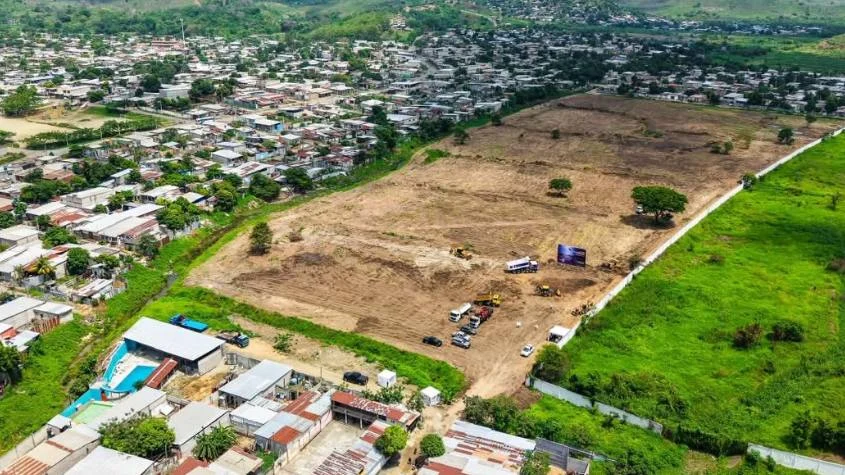
- Commencement of Works (Q4 2025): Groundbreaking ceremonies occurred as heavy machinery moved into Santa Bárbara, marking the start of the primary road construction phase.
- Phase-by-Phase Execution (2026): The project moved through successive stages: land preparation, installation of drainage and culverts, construction of containment walls, and finally, the laying of the asphalt pavement.
- Inauguration (September 2026): The final inspection and subsequent grand opening ceremony confirmed that the project met all regulatory and safety standards, officially handing the infrastructure over to the community.
Supporting Data and Socioeconomic Impact
The investment of over S/ 9 million is part of a broader strategy by the Lima Regional Government to revitalize the province of Cañete. Beyond the physical improvements, the project provides several measurable benefits:
- Economic Activation: Improved roads directly support the local economy. Santa Bárbara is a hub for agricultural output, and the new infrastructure allows farmers to transport their produce to local and regional markets more efficiently and with less spoilage.
- Reduced Operational Costs: Local transport associations and individual vehicle owners in the district report significant savings on mechanical repairs, as the transition from dirt or damaged roads to smooth asphalt prevents premature wear and tear on vehicles.
- Public Health and Safety: By reducing dust pollution and improving pedestrian safety through sidewalks, the local government has effectively addressed two major public health concerns for the residents of San Luis.
- Community Cohesion: The project acts as a catalyst for urban development, often encouraging private investment in housing and small businesses along the newly improved routes.
Official Perspectives: The Role of the Regional Government
During the ribbon-cutting ceremony, Governor Nicolás Barrera Morán emphasized that his administration views road infrastructure as the "arteries of development." He stated, "We are not just paving streets; we are building bridges to progress. The families of Santa Bárbara have waited for this connectivity for years, and today, their patience has been rewarded with work that meets the highest standards of quality."

The Governor further highlighted that this project is a component of a larger, systemic plan to modernize the entire Lima region. He noted that the coordination between the regional office and local authorities in San Luis was key to ensuring that the project remained on track despite the challenges inherent in large-scale civil engineering.
"Our goal is to ensure that no corner of our region is left behind. When we invest in Cañete, we are investing in the heart of our region’s productivity," the Governor added.
Broader Implications: A Pattern of Regional Development
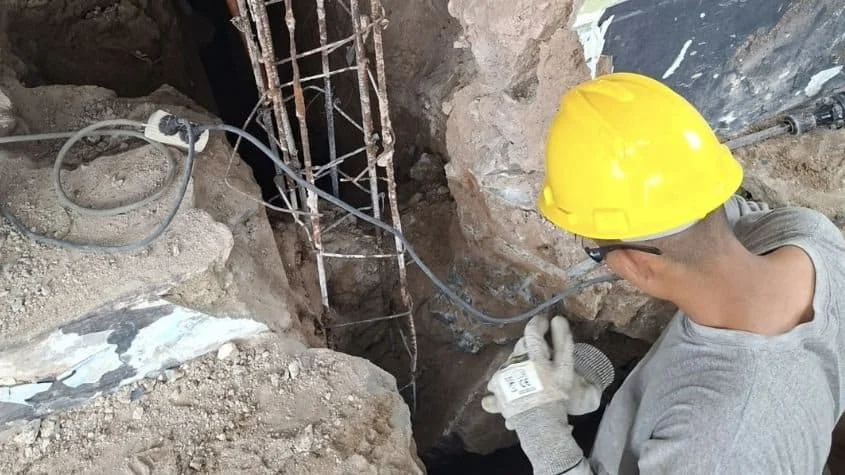
The completion of this project occurs alongside other initiatives, such as the regional focus on housing reinforcement and structural safety (as evidenced by recent developments in seismic risk mitigation in other parts of the Lima region). This indicates a holistic approach by the regional government, where road connectivity is paired with efforts to strengthen the housing stock, creating a more resilient and modern living environment for all citizens.

Furthermore, the successful execution of this project in San Luis serves as a benchmark for future public works. By demonstrating fiscal discipline and technical adherence to project timelines, the Lima Regional Government aims to restore public trust in government contracting and infrastructure management.
As the region looks toward the future, the lessons learned in Santa Bárbara—specifically regarding the integration of irrigation management into road design—will likely be implemented in upcoming projects throughout the provinces of Lima. The commitment to maintaining these assets will be the next challenge, with the regional government already planning for maintenance cycles to ensure the longevity of the S/ 9 million investment.
Conclusion
The transformation of the Santa Bárbara road network is a testament to what can be achieved through targeted investment and professional project management. For the residents of San Luis, the new asphalt, secure sidewalks, and improved drainage systems represent a tangible improvement in their quality of life. As the regional government continues its mission to modernize the provinces, projects like this remain the bedrock of sustainable growth, ensuring that the Lima region remains competitive, connected, and safe for all its inhabitants.