Executive Summary: Strengthening La Libertad’s Mining Backbone
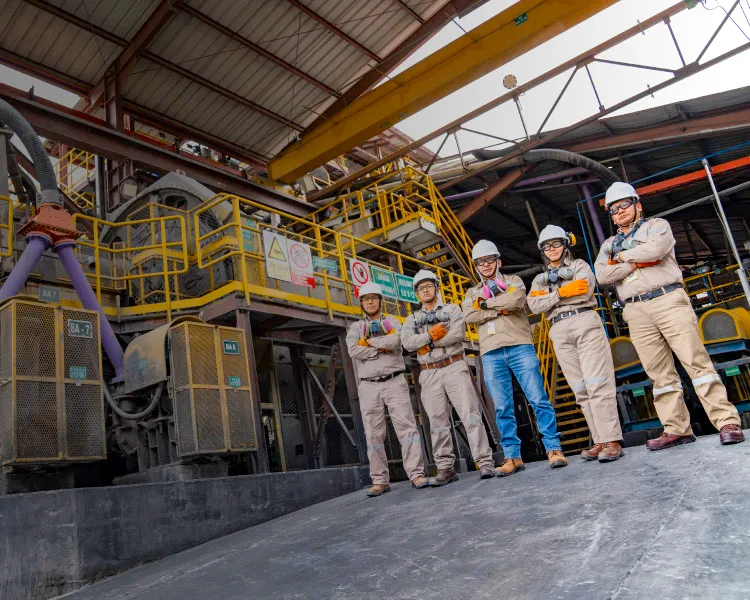
Compañía Minera Poderosa, a cornerstone of Peru’s gold mining sector, has taken a significant step toward operational optimization. The company has officially submitted its Fourth Technical Sustaining Report (ITS, by its Spanish acronym) to the National Service of Environmental Certification for Sustainable Investments (Senace). This filing marks a critical phase in the ongoing expansion of its Santa María I processing plant, aiming to boost capacity from 600 to 1,000 metric tons per day (TMD).
Located in the rugged, mineral-rich terrain of the Pataz province in the La Libertad region, the project represents a S/ 22 million (approximately USD 5.8 million) investment. By securing this environmental certification, Poderosa intends to integrate eleven new infrastructure components, designed not only to ramp up production but to enhance the sustainability and efficiency of its entire service ecosystem.
Chronology: A Trajectory of Growth and Formalization
The submission of this fourth ITS is the latest chapter in a multi-year effort to modernize Poderosa’s infrastructure. The company’s journey toward its current production goals has been characterized by a methodical, incremental approach to regulatory compliance and operational expansion.
The Foundation of the MEIA
The current project is anchored within the broader Modification of the Environmental Impact Assessment (MEIA), which provided the initial green light for the capacity increase at the Santa María I plant. This strategic roadmap has allowed the company to move beyond traditional operational constraints.
The Sequence of Technical Sustaining Reports (ITS)
Poderosa has successfully navigated three previous ITS filings. These earlier approvals were instrumental in allowing the company to progressively adapt its existing infrastructure to meet modern technical and environmental standards. By utilizing the ITS mechanism—a flexible tool that allows for minor modifications to approved projects that do not cause significant environmental impact—Poderosa has demonstrated a consistent ability to upgrade its facilities without disrupting its core production cycles.
Supporting Data: Operational Scope and Infrastructure Upgrades
The scope of the Fourth ITS is comprehensive, addressing both the industrial requirements of mineral processing and the essential logistics of a high-altitude mining camp. The proposed eleven components are divided into production-support systems and environmental management infrastructure.
Production and Logistics Components
- Santa María Bocamina: A new mine portal dedicated to the transport of mineral, optimizing the flow of raw ore from the underground workings to the processing plant.
- Compressor House: Upgrading the pneumatic infrastructure required for drilling and ventilation in the underground sectors.
- Maintenance Workshop: A dedicated space to ensure the longevity and reliability of the heavy machinery fleet.
- General Warehouse: Centralizing logistics to reduce downtime and improve inventory management.
Environmental and Utility Systems
- Chacparrosa Water Pumping System: A critical component for ensuring a consistent water supply for both industrial processing and camp use.
- Water Treatment Facilities: Implementation of advanced domestic wastewater treatment systems in the Hualanga zone, underscoring the company’s commitment to water stewardship.
- Waste Management: Construction of a sanitary landfill for non-recyclable solid waste and a dedicated waste storage facility.
- Sustainable Infrastructure: The inclusion of a temporary wood waste warehouse and designated parking areas indicates a focus on organized site management and industrial hygiene.
- Social Wellbeing: The addition of recreational areas reflects the company’s focus on the quality of life for its workforce, who operate in challenging conditions ranging from 1,250 to 3,800 meters above sea level.
Corporate Profile: The Legacy of Compañía Minera Poderosa
Founded in 1980, Compañía Minera Poderosa has established itself as one of the most prominent private mining enterprises in Peru. Specializing in underground gold mining, the company has become an engine of economic growth for the La Libertad region.
Geographic and Operational Footprint
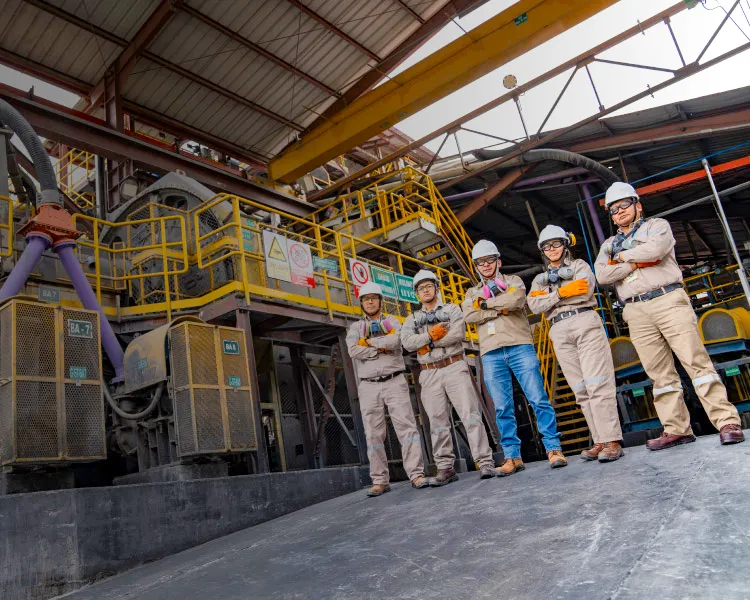
Poderosa’s operations are strategically positioned 320 kilometers east of Trujillo, deep within the Andean geography of the Pataz district. The company’s production architecture is defined by three primary units:
- Marañón: The heart of their underground extraction efforts.
- Santa María: The primary hub for processing and current expansion efforts.
- Palca: A secondary operational arm contributing to the firm’s total output.
With administrative headquarters in both Lima and Trujillo, the company maintains a robust corporate structure that balances local operational expertise with national-level strategic management.
Official Perspectives and Regulatory Compliance
The submission to Senace is more than a technical formality; it is a demonstration of the company’s adherence to the "Environmental Certification" framework. Senace, the regulatory body responsible for reviewing the potential impacts of major investment projects in Peru, will now evaluate whether the proposed modifications align with current environmental regulations.
The Role of Senace
Senace’s role is to ensure that the expansion of the Santa María I plant does not compromise the ecosystem surrounding the Pataz province. The "Technical Sustaining Report" is designed specifically for projects where the environmental impact is considered minimal or manageable, provided that the company demonstrates strict mitigation and monitoring protocols.
The Industry Perspective
Industry analysts observe that Poderosa’s strategy of using successive ITS filings is a "best practice" in the Peruvian mining sector. It allows companies to respond to market demand (such as the rising price of gold) while maintaining a low-risk profile regarding environmental permitting. By focusing on infrastructure efficiency—such as better water management and centralized maintenance—Poderosa is effectively future-proofing its operations against energy and resource volatility.
Implications: Economic and Social Impact
The expansion of Poderosa’s operations has significant implications for the regional and national economy.
Economic Multiplier Effect
The S/ 22 million investment is expected to ripple through the local economy. Beyond the direct employment of personnel for the construction of the eleven components, the increased capacity of the Santa María I plant will require higher volumes of supplies, logistics support, and energy, benefiting local service providers in the La Libertad region.
Sustaining Gold Production
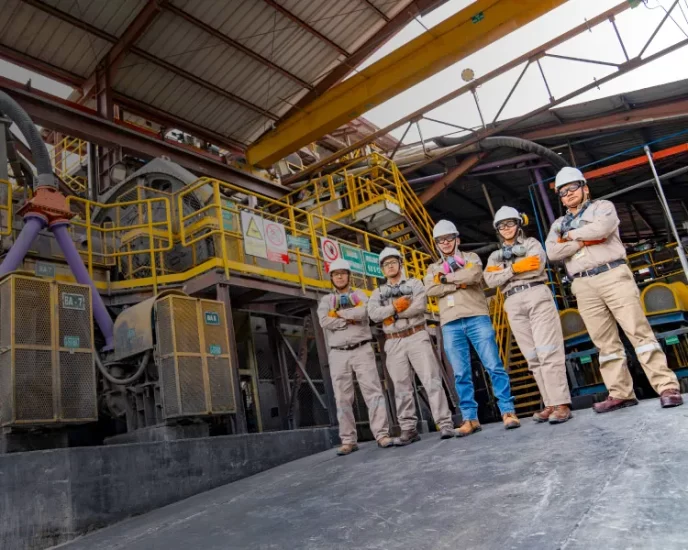
As Peru continues to rank as one of the world’s leading gold producers, the stabilization and growth of operations like those at Pataz are vital for the national trade balance. Gold remains a hedge against global financial instability, and Poderosa’s commitment to expanding its processing capacity signals long-term confidence in the geological potential of the Pataz formation.
ESG (Environmental, Social, and Governance) Commitment
The inclusion of a sanitary landfill and advanced wastewater treatment plants suggests that Poderosa is aligning its operations with global ESG standards. In the modern mining landscape, "social license to operate" is as important as the physical mining concession. By investing in the environment and worker welfare, Poderosa is strengthening its relationship with the surrounding communities in Pataz.
Conclusion: Looking Ahead
The Fourth Technical Sustaining Report from Compañía Minera Poderosa is a testament to the company’s disciplined growth strategy. By optimizing the Santa María I plant, the firm is not merely increasing the volume of ore processed; it is upgrading the very fabric of its operations to ensure that it remains a competitive and responsible actor in the Peruvian mining sector.
As Senace begins its review process, the industry remains optimistic that this expansion will serve as a model for how established mining companies can modernize their legacy operations through incremental, environmentally conscious upgrades. For the residents of Pataz and the broader La Libertad region, this project represents a commitment to the long-term viability of one of the most critical gold mining operations in the Andes.
The road ahead for Poderosa involves careful execution of these eleven components, rigorous adherence to safety standards, and continued dialogue with regional stakeholders to ensure that the wealth extracted from the earth translates into sustained development for the community. In an era where mining efficiency and environmental stewardship must go hand-in-hand, Poderosa’s latest move is a clear indicator of where the future of the industry lies.