In a major move to address the persistent housing deficit in Peru’s Áncash region, the Ministry of Housing, Construction, and Sanitation (MVCS) and the Regional Government of Áncash have entered into a high-level strategic partnership. This collaboration aims to unlock the potential of regional canon resources—funds generated from mining and natural resource extraction—to bankroll large-scale social housing projects. By integrating the national reach of the "Techo Propio" program with localized "Wasiymi" rural housing initiatives, authorities are seeking a comprehensive solution to the region’s infrastructure challenges.
Main Facts: A New Model for Regional Development
The core of this initiative lies in a proposed memorandum of understanding between the Minister of Housing, Construction, and Sanitation, Mauricio Arnillas, and the Governor of Áncash, Koki Noriega. The primary objective is to bypass traditional financing bottlenecks by utilizing regional canon resources, which have historically been underutilized in the social housing sector.
The plan involves a two-pronged approach:
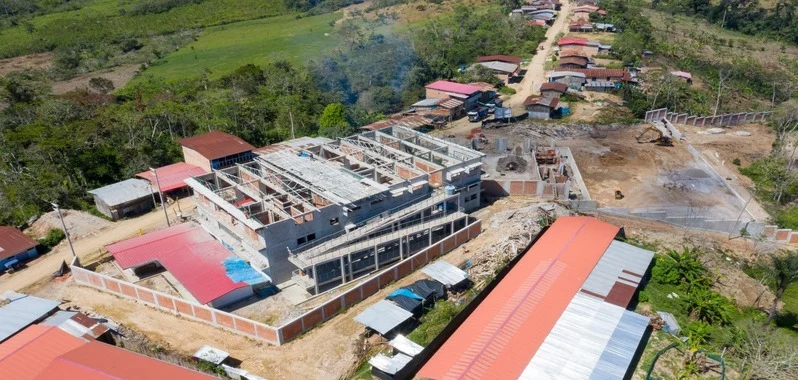
- Urban Expansion: Accelerating the development of urban housing projects through the "Techo Propio" (Own Roof) program, which provides subsidies to low-income families to purchase or build homes.
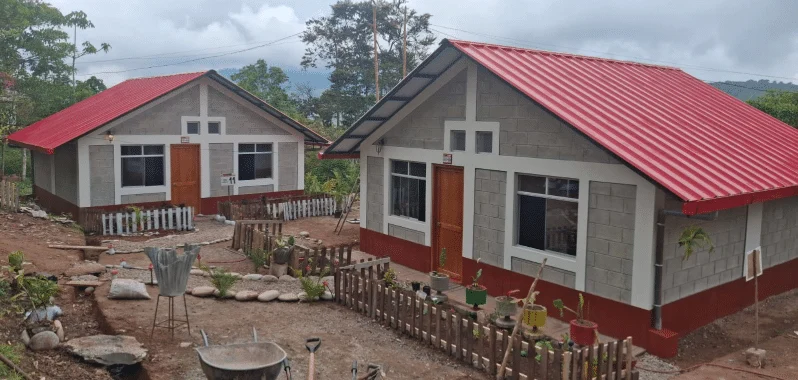
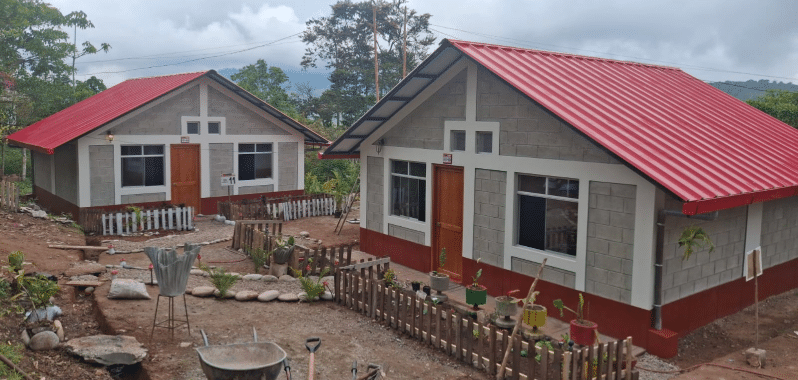
- Rural Resilience: Expanding the "Wasiymi" program, specifically designed to provide safe, climatically appropriate, and durable housing for families in remote, high-altitude Andean communities, often the most vulnerable to extreme weather events.
By channeling canon funds into these existing, proven frameworks, the government hopes to create a replicable model that can be adopted by other resource-rich regions across Peru.
Chronology of the Housing Initiative
The dialogue between the MVCS and the regional administration of Áncash did not emerge in a vacuum. It follows months of negotiation regarding the decentralization of housing policy.
- Initial Consultations (Early 2025): Technical teams from the MVCS began assessing the regional housing deficit in Áncash, identifying that a significant percentage of the population resides in sub-standard, high-risk structures.
- The Funding Gap Identification (Mid-2025): Regional authorities highlighted that while mining canon resources were available, the regulatory framework to invest these funds directly into national housing programs required a formal legal bridge.
- High-Level Summit (October 2025): Minister Mauricio Arnillas met with Governor Koki Noriega to formalize the political will behind the initiative. During this session, both parties agreed on the legal mechanisms required to ensure the transparent use of canon resources.
- Drafting the Implementation Protocol (Current Status): Technical experts are currently finalizing the specific legal instruments that will allow the regional government to transfer funds to the Ministry’s executing units to begin construction.
Supporting Data: Understanding the Scope of the Need
The urgency for this project is underscored by recent demographic and housing statistics. Áncash, while one of the wealthiest regions due to its mining output, continues to face significant challenges in urban planning and sanitation.
The Housing Deficit
Current estimates suggest that thousands of families in Áncash live in dwellings that lack basic services such as clean water, sewage, or structural integrity. The "Techo Propio" program is designed to bridge this by offering:
- Financial Subsidies: Direct grants that cover a significant portion of the home’s value.
- Credit Facilities: Access to low-interest mortgages for low-income earners who would otherwise be ignored by the traditional banking sector.
Rural Vulnerability
The "Wasiymi" program focuses on rural areas where the threat of "friaje" (severe cold waves) poses a risk to human health. These homes are designed with thermal insulation and seismic-resistant materials. By scaling up this program, the regional government aims to provide security to thousands of families currently residing in informal, hazardous, or inadequate shelters.
Official Responses and Ministerial Vision
Minister Mauricio Arnillas has been vocal about the necessity of this project, framing it as a shift in how the state handles regional infrastructure.
"The era of waiting for central government allocations to solve local problems is changing," Minister Arnillas stated during the press conference following the meeting. "By leveraging the canon, Áncash is taking ownership of its own development. Our role as the Ministry is to provide the technical expertise, the standardized housing models, and the regulatory framework to ensure that these homes are not just built quickly, but built to last."

Governor Koki Noriega echoed these sentiments, emphasizing the social contract. "For too long, our regional wealth has been seen in abstract infrastructure projects. Now, we are bringing that wealth into the living rooms and bedrooms of our citizens. Every house built is a brick in the foundation of a more stable, healthy, and prosperous Áncash."
The Ministry has indicated that transparency will be a pillar of the project, with strict oversight committees being established to monitor the flow of canon funds to ensure they reach the intended beneficiaries without bureaucratic leakage.
Implications: A Transformative Shift for Peru
The implications of the Áncash-MVCS partnership extend far beyond the regional borders. If successful, this project could provide a blueprint for other regions that struggle with similar housing deficits despite having access to mining and petroleum wealth.
Economic Stimulus
The construction sector is a major driver of the national economy. By launching a massive housing project, the government expects a multiplier effect: increased demand for construction materials, a boost in local employment, and the formalization of thousands of jobs in the building trades.
Improving Quality of Life
Beyond the economic metrics, the project targets social indicators. Access to safe housing is directly linked to better health outcomes, improved educational performance for children, and greater gender equality in household ownership. The "Wasiymi" project, in particular, acts as a public health intervention by protecting rural populations from extreme temperatures.

Sustainable Urbanization
The project is also intended to promote organized urban growth. By planning large-scale residential areas rather than allowing organic, informal growth on the peripheries of cities like Huaraz or Chimbote, the government can more efficiently provide electricity, water, and sewage systems. This reduces the long-term cost of infrastructure maintenance for municipal governments.
Challenges and Future Outlook
Despite the optimism, the project faces significant hurdles. The complexity of inter-governmental bureaucracy can often lead to delays. Furthermore, the selection process for beneficiaries must remain strictly meritocratic to avoid political favoritism, a common criticism of past housing initiatives in the region.
Looking forward, the MVCS and the Regional Government of Áncash have committed to a quarterly review process to assess the progress of the housing developments. As the project enters its implementation phase, all eyes will be on whether this unique financial model—leveraging local wealth for local social needs—can succeed where traditional central funding has failed.
The collaboration represents a bold attempt to redefine the relationship between regional resource extraction and social welfare. If the foundations are laid correctly, the partnership between Minister Arnillas and Governor Noriega could mark the beginning of a decade-long transformation of the housing landscape in Áncash, setting a new standard for public-sector innovation in Peru.