Introduction: A Cornerstone of National Development
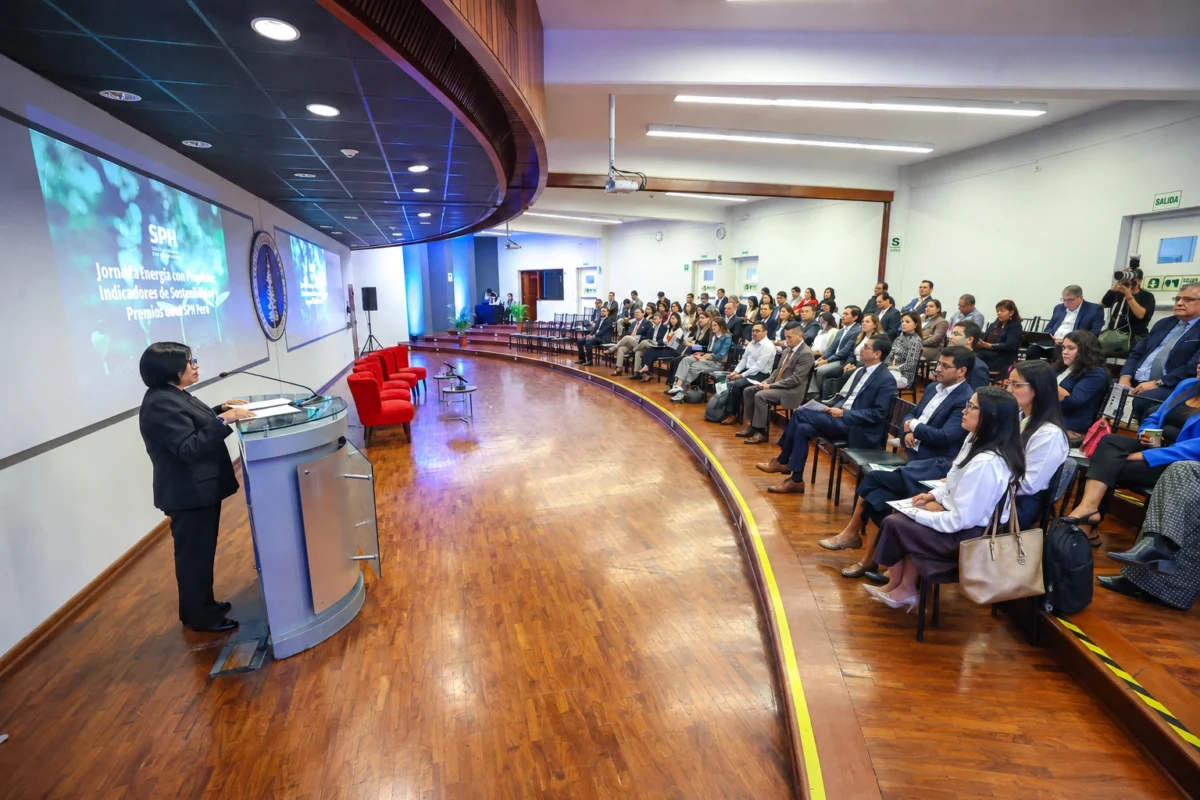
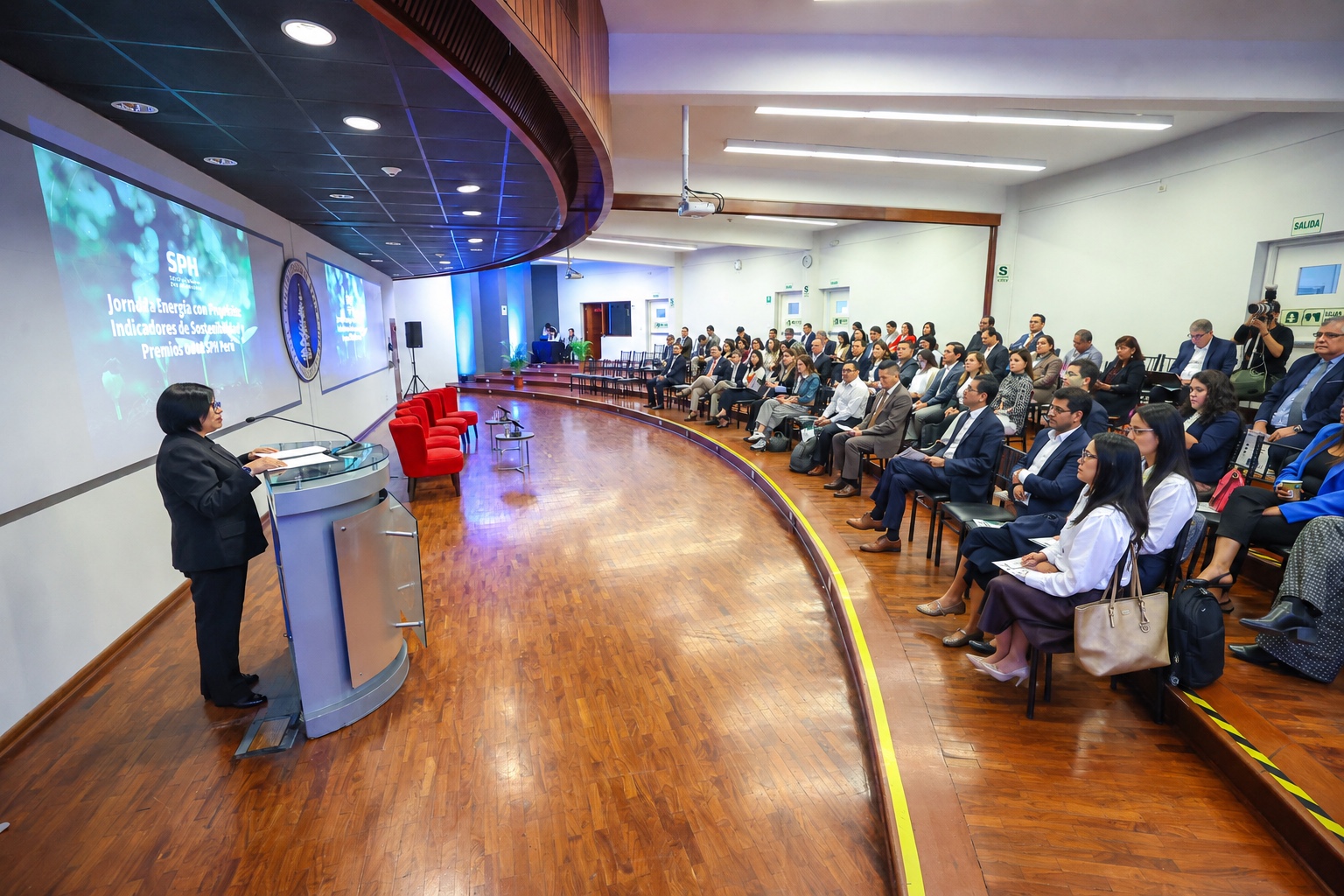
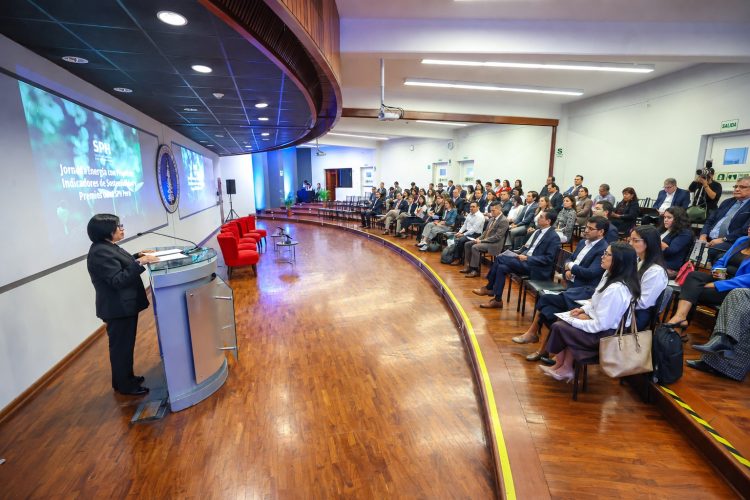
The Peruvian Ministry of Energy and Mines (MINEM) has reaffirmed its commitment to the modernization and sustainable integration of the hydrocarbon sector. During the recent "Energy with Purpose: Sustainability Indicators and GAIA SPE Peru Awards" event, organized by the Peruvian Society of Hydrocarbons (SPH), the government underscored that oil and gas remain the lifeblood of the national economy.
Iris Cárdenas Pino, Vice Minister of Hydrocarbons at MINEM, served as the keynote speaker, articulating a vision where economic growth, environmental stewardship, and social responsibility are not competing interests, but pillars of a unified national strategy. As Peru navigates the global energy transition, the ministry’s stance suggests that hydrocarbons are not merely a legacy resource, but a bridge to future energy security and socioeconomic stability.
Main Facts: The Strategic Weight of Hydrocarbons
To understand the gravity of the Vice Minister’s address, one must examine the raw data defining Peru’s current energy landscape. Hydrocarbons currently account for 67% of the nation’s final energy consumption and represent 80% of the total primary energy production.
These figures are not merely statistics; they are the indicators of a nation that relies heavily on fossil fuels to drive industrial output, transportation, and residential electricity. Vice Minister Cárdenas Pino emphasized that these resources are the bedrock upon which the country’s productive activities are built. Without a robust and sustainable hydrocarbon industry, the country risks jeopardizing its energy security, which would have cascading effects on inflation, industrial productivity, and the daily welfare of its citizens.
The event, "Energy with Purpose," served as a platform to unveil new sustainability indicators designed to measure the sector’s performance beyond simple profit margins. These metrics track environmental impact, community relations, and technological innovation, marking a shift toward a more transparent and accountable industry.
Chronology: From Extraction to Integration
The discourse surrounding Peru’s energy sector has evolved significantly over the last decade.
- Initial Phase (Historical Context): The industry was primarily characterized by extraction with limited emphasis on social and environmental transparency, leading to occasional friction between operators and local communities.
- The Regulatory Shift: In recent years, MINEM has accelerated the implementation of stricter Environmental and Social Impact Assessments (ESIA). This transition has pushed companies to adopt the "Social License to Operate" as a business necessity rather than a bureaucratic hurdle.
- The GAIA Initiative: The creation of the GAIA SPE Peru Awards marks a recent milestone. By incentivizing best practices in social management, environmental protection, and technological efficiency, the industry is signaling a departure from traditional models toward a "Sustainability First" approach.
- Present Day: The recent summit in Lima represents the current convergence of government policy and private sector ambition, aiming to standardize how companies report their ESG (Environmental, Social, and Governance) progress to the public.
Supporting Data: Why Sustainability is an Economic Imperative
A recurring theme throughout the Vice Minister’s speech was the misconception that sustainability initiatives are a financial burden. Cárdenas Pino refuted this narrative with clear economic logic:
- Reduction of Reputational Risk: Companies that operate transparently and maintain positive relationships with local populations face fewer blockades, litigation, and operational stoppages.
- Lower Financing Costs: International financial institutions are increasingly integrating ESG performance into credit risk models. Firms that demonstrate high sustainability scores are finding it easier—and cheaper—to access capital.
- Long-term Viability: By integrating the "Triple Bottom Line" (Economic, Social, and Environmental), companies ensure that their projects remain viable for decades rather than years, protecting investors from stranded assets.
The GAIA awards recognized excellence in several key areas, including:
- Social Management: Best practices in engaging local communities to ensure long-term, mutually beneficial partnerships.
- Environmental Protection: Innovative approaches to reducing carbon footprints and waste management.
- Technological Innovation: Leveraging digital tools and clean-tech to maximize extraction efficiency while minimizing environmental surface disturbance.
Official Responses and Ministerial Vision
Vice Minister Iris Cárdenas Pino was explicit regarding the government’s role in this transition. The MINEM is not retreating from the sector; rather, it is evolving into a more rigorous regulator and facilitator.
"The goal is a balanced development," Cárdenas stated. "We are moving away from the era where one dimension was prioritized over the others. True sustainability means that economic development, social peace, and environmental preservation move in lockstep."
The ministry’s message to the industry is clear: transparency is no longer optional. Information must be shared openly with the public to build the "conditions of trust" necessary for major projects to move forward. This trust is the currency of the industry, and without it, even the most lucrative reserves remain inaccessible.
Implications: The Future of the Energy Mix
The implications of the Ministry’s current strategy are profound for the Peruvian economy.
Security of Supply
By promoting the sustainable development of current hydrocarbon assets, the state aims to achieve a level of energy self-sufficiency. Dependence on imported fuels exposes the Peruvian economy to the volatility of global commodity prices, which can have devastating effects on local transport costs and manufacturing.
A Just Transition
The concept of a "just transition" is gaining traction within the ministry. While the global community pushes for decarbonization, Peru’s specific economic context requires a phased approach. The "Energy with Purpose" initiative demonstrates that the government intends to use the revenues and stability provided by the hydrocarbon sector to fund the infrastructure needed for a broader energy transition in the coming decades.
Social Harmony as a Project Requirement
Perhaps the most significant takeaway from the event is the shift in how "risk" is perceived. Traditionally, industry risk was calculated via geology and commodity price projections. Now, the government is explicitly stating that social conflict is a primary operational risk. By rewarding companies that successfully navigate the complex social tapestry of Peru’s regions, the SPH and MINEM are setting a new standard for how business is conducted in the Andes and the Amazon.
Conclusion: A Path Toward Resilient Energy
The dialogue between the Ministry of Energy and Mines and the private sector represents a maturation of the Peruvian hydrocarbon industry. The emphasis on sustainability indicators is a critical step in professionalizing the sector’s relationship with the public and its investors.
As Vice Minister Cárdenas Pino concluded, the commitment of the state is to ensure that these resources continue to serve as a catalyst for growth. By fostering an environment where innovation, transparency, and social harmony are the standard, Peru is positioning itself to extract maximum value from its natural endowments while safeguarding its environmental and social heritage.
The road ahead is complex, requiring constant vigilance and a willingness to adapt to new global standards. However, the framework presented at the GAIA awards provides a blueprint for an industry that is not only profitable but also essential to the long-term well-being of the Peruvian people. The future of energy in Peru is not just about the fuel extracted, but about the purpose behind the extraction—a purpose that is increasingly defined by the integration of sustainability into the very core of business operations.