Executive Summary: A Tale of Two Economies
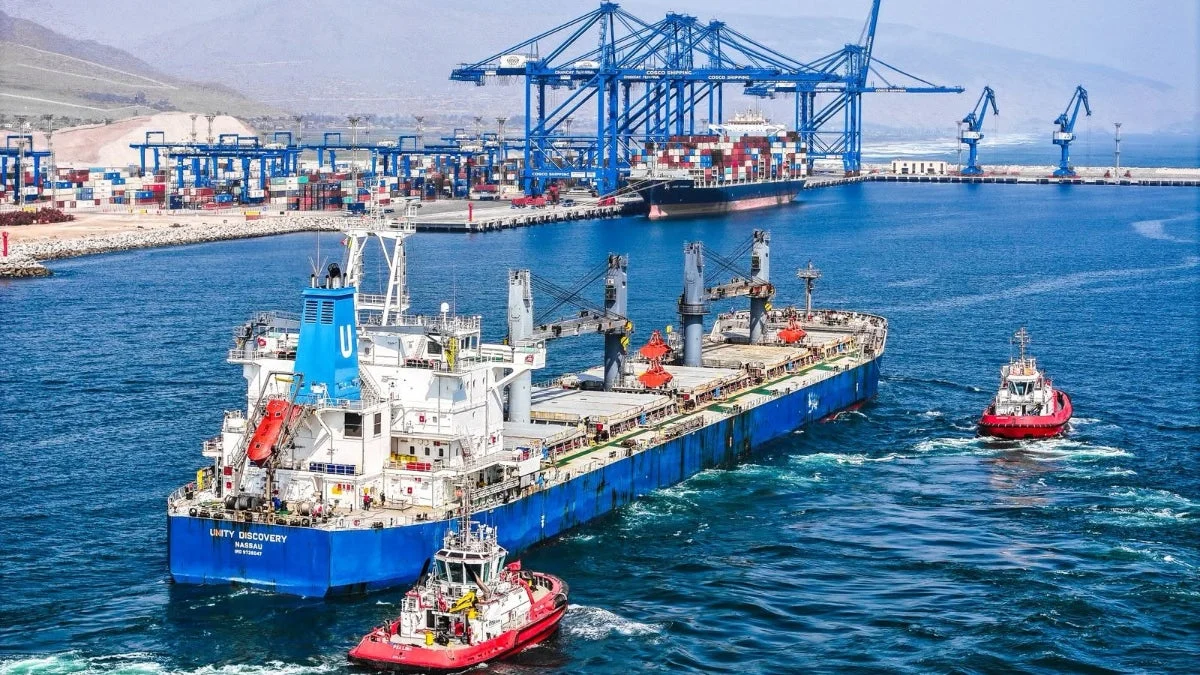
The Peruvian economy is poised for a resilient expansion in 2026, with the Lima Chamber of Commerce (CCL)—through its Institute of Economics and Business Development (IEDEP)—projecting a growth rate of 3.2%. This upward revision, moving from a previous estimate of 3.1%, underscores a robust recovery trajectory driven by domestic demand, private investment, and a rebound in secondary sectors.
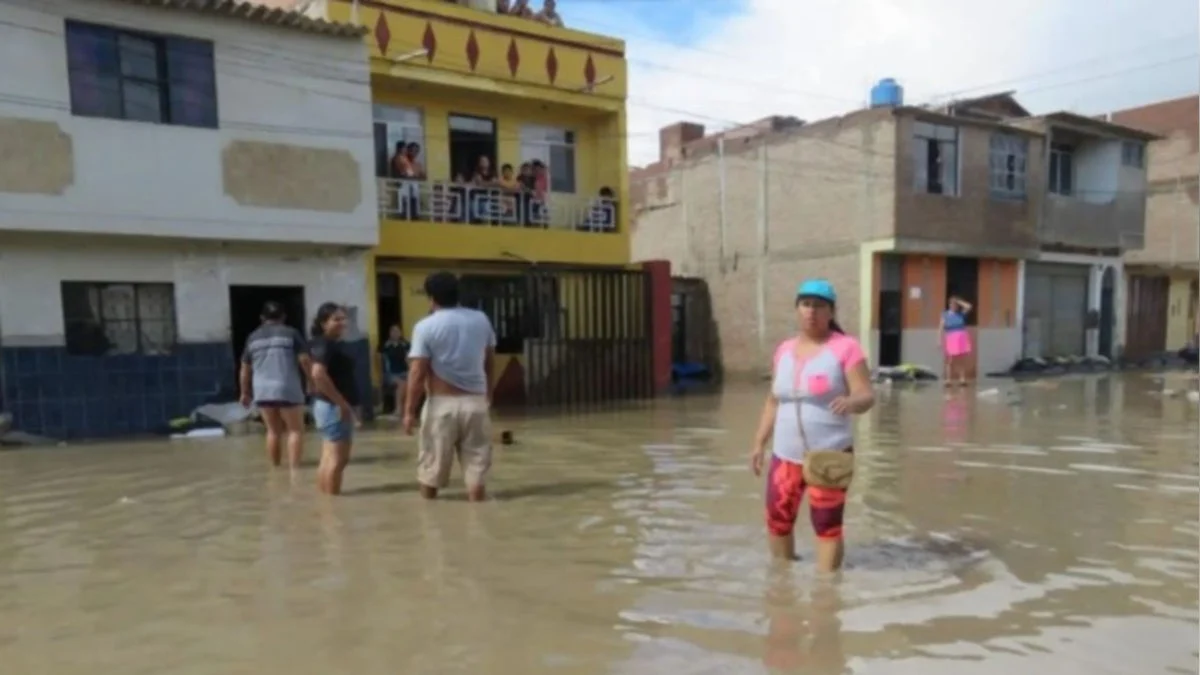
However, this growth narrative is complex. The economy is currently navigating a period of bifurcation: while urban-centric sectors like construction, commerce, and services are expected to flourish, primary sectors—traditionally the backbone of the Peruvian export engine—face severe headwinds due to the lingering environmental impacts of the El Niño Costero phenomenon.
Chronology and Context: The Climate Challenge
To understand the 2026 projections, one must look back at the climatic disruptions that have defined the preceding years.
- Early 2024–2025: The onset of intense El Niño conditions began to shift ocean temperatures, leading to early warnings from the IEDEP regarding the vulnerability of marine and agricultural supply chains.
- Mid-2025: As extreme weather events intensified, the manufacturing sector began to see the initial effects of supply chain contractions, particularly in the processing of marine inputs.
- Late 2025: The IEDEP began recalibrating its models, identifying that while primary production would suffer, the surge in infrastructure projects and private investment would act as a structural buffer for the national economy.
- Current Standing (2026 Forecast): The current outlook represents a stabilization phase, where the economy pivots away from its reliance on primary extraction toward a more diversified growth model supported by construction and services.
Supporting Data: Sectoral Performance Breakdown
The projected 3.2% growth is not uniform across all sectors. The disparity between primary and secondary industries highlights the changing nature of the Peruvian economic landscape.
The Growth Drivers: Construction and Services
- Construction (11.2% Growth): This sector is slated to be the undisputed engine of the economy. Fueled by a pipeline of infrastructure projects and the necessary expansion of urban facilities, the construction industry is expected to see a double-digit expansion, acting as a primary catalyst for job creation.
- Commerce (5.3% Growth): A reflection of improved consumer confidence and increased domestic demand, the commerce sector is expected to benefit from a healthier labor market and greater access to credit.
- Services (4.0% Growth): As the economy shifts toward higher-value activities, professional and consumer services are projected to provide stable, sustainable growth, cementing their role as a critical component of the GDP.
The Primary Sector Retreat
Conversely, the "primary" sector faces a difficult year, largely due to external climatic factors beyond human control:
- Fisheries (-29.1%): The most significant casualty of the El Niño anomaly. The warming of coastal waters has disrupted marine life cycles, leading to a massive decline in catch volumes.
- Primary Manufacturing (-8.7%): As a direct consequence of the fishery collapse, the plants dedicated to producing fishmeal and fish oil are facing extended periods of operational paralysis.
- Agro-industry (-2.1%): Elevated temperatures, particularly those forecasted for the second half of 2026, are expected to interfere with the flowering cycles of critical export crops, negatively affecting yields for both internal consumption and international markets.
The Mining Sector: A State of Consolidation
The mining and hydrocarbons sector is forecasted to remain largely stagnant, with a growth rate of just 0.02%. Oscar Chávez, Chief of the IEDEP, notes that this is not necessarily a sign of decline, but rather a "consolidation phase." Following the massive injection of production capacity from projects like Quellaveco, the sector is currently optimizing existing assets. Despite the lack of aggressive production growth, the industry remains financially robust, buoyed by high international metal prices and sustained capital expenditure in exploration.
Official Responses and Strategic Perspectives
Oscar Chávez, representing the IEDEP of the CCL, has been vocal about the importance of private investment in mitigating the volatility caused by climate change.
"The contraction in our primary sectors is a direct hit to the supply chain," Chávez remarked. "However, the resilience of our non-primary manufacturing—growing at 1.8%—and the surge in private investment demonstrate that the Peruvian economy has developed a level of structural maturity. We are no longer solely dependent on the volatility of natural resources."
Chávez emphasized that the 11.7% growth in private investment is the "silver bullet" for 2026. This investment is being driven by:
- Business Expectations: Increased confidence among domestic and foreign investors regarding the medium-term regulatory environment.
- Reinversion: Mining companies, despite the flat production growth, are reinvesting profits into technology and efficiency, which stimulates demand for other services.
- Cross-Sector Synergy: The demand for construction inputs is stimulating secondary manufacturing, creating a virtuous cycle of economic activity that offsets the losses in the fishing and agricultural sectors.
Economic Implications: What 2026 Means for Peru
The projections for 2026 paint a picture of a nation in transition. The move toward a more diversified economy is a forced evolution prompted by climate change, yet it presents several strategic implications:
1. The Resilience of Domestic Demand
The reliance on construction and services indicates that domestic purchasing power is becoming a more reliable anchor for the economy than raw commodity exports. If the construction boom continues as forecasted, it will create a multiplier effect on local employment, which in turn will sustain the growth of the commerce and services sectors.
2. Climate Adaptation as an Economic Imperative
The catastrophic decline in the fishing sector serves as a stark warning. To sustain long-term growth, the Peruvian government and private sector must accelerate investments in climate-resilient agriculture and sustainable marine management. Relying on "good weather" to drive the primary sector is no longer a viable long-term strategy.
3. Energy and Utility Expansion
The 3.2% growth in electricity, gas, and water is an encouraging indicator. Infrastructure development—specifically the generation of electricity and the expansion of water supply—is the bedrock of industrial expansion. This growth suggests that the country is successfully scaling its utility infrastructure to meet the demands of a growing urban population and an expanding industrial base.
4. The Challenge of Mining Exploration
While the mining sector is currently in a "consolidation" phase, the lack of growth in production volume is a long-term risk. For the economy to continue expanding in 2027 and beyond, the current investment in exploration must yield new, viable projects. The government’s ability to streamline permitting and provide legal certainty will be the deciding factor in whether this sector returns to a growth trajectory.
Conclusion: A Balanced Outlook
The Lima Chamber of Commerce’s report for 2026 offers a cautiously optimistic outlook. Peru is demonstrating a remarkable ability to decouple its broader economic health from the localized shocks of the El Niño phenomenon. By prioritizing private investment, focusing on construction, and fostering a robust service sector, the nation is building a more resilient economic foundation.
However, the road ahead is not without its obstacles. The volatility of the primary sector remains a significant vulnerability, and the government must remain vigilant in its support for private enterprise. If the projected 11.7% increase in private investment materializes, it will likely provide the necessary momentum to carry Peru through the environmental and global market challenges of the coming year. As the nation approaches 2026, the focus must remain on sustaining the momentum of urban development while simultaneously preparing the primary industries for a more unpredictable, climate-impacted future.