Introduction: The Monday Market Snapshot
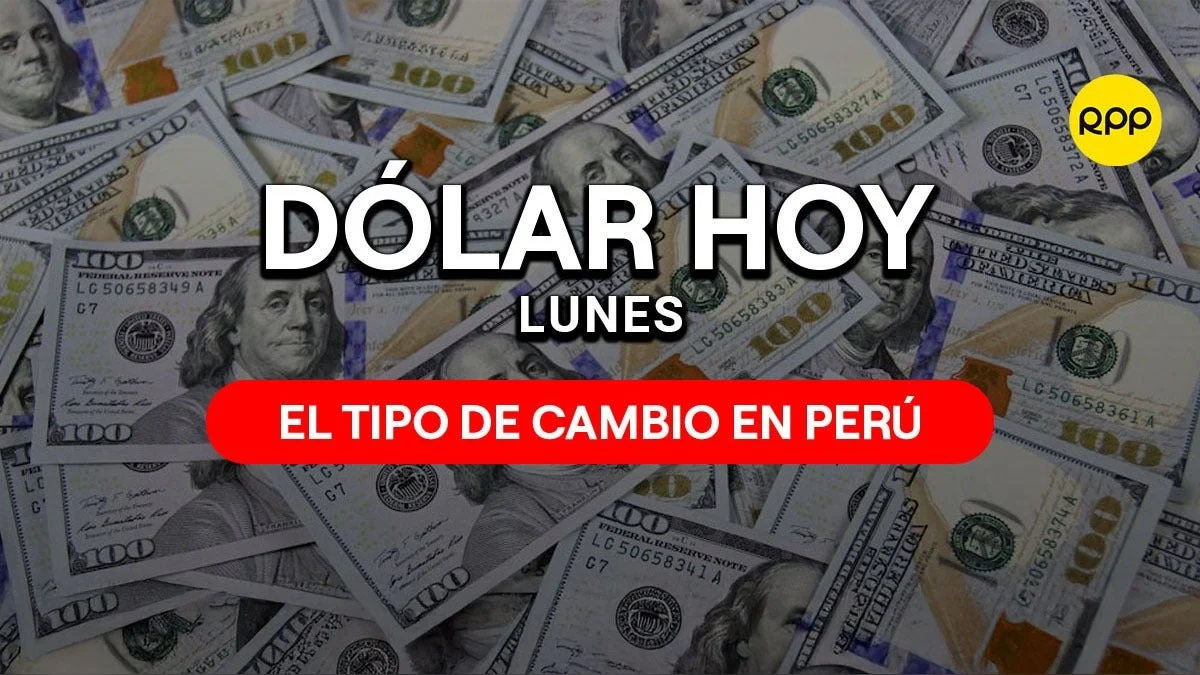
As of Monday, August 31, the exchange rate in Peru stands at S/3.36, according to the latest data provided by the Central Reserve Bank of Peru (BCRP). For the average citizen, this figure is far more than a mere numerical update; it is a signal of the current state of purchasing power, debt obligations, and the broader macroeconomic climate. In an economy that remains heavily "dollarized," the fluctuations of the U.S. currency serve as a pulse for the nation’s financial health.
The Mechanics of Currency: Why the Dollar Matters in Peru
The U.S. dollar is not merely a foreign currency in Peru; it is a foundational pillar of the national economic architecture. While the Sol (PEN) is the official legal tender, the dollar functions as a parallel currency for significant transactions. From high-value real estate deals and mortgage loans to international trade imports and corporate savings accounts, the dollar is inextricably linked to the daily operations of Peruvian enterprises and households.
The importance of the dollar in Peru stems from a historical legacy of inflation and economic instability, which led businesses and individuals to seek the stability of a stronger, globally recognized currency. Today, this "dollarization" persists, creating a unique economic landscape where local agents must navigate both the national currency and the volatile movements of the global market leader.
Chronology of Exchange Rate Dynamics
To understand why the S/3.36 rate is significant, one must look at the historical trajectory of the Peruvian Sol.
The Era of Stabilization (1990s–2000s)
Following the hyperinflation crisis of the late 1980s, the Peruvian government implemented aggressive monetary policies. The Central Reserve Bank of Peru gained autonomy, and the country transitioned toward a floating exchange rate regime. This period marked the beginning of a systematic effort to stabilize the Sol, though the habit of holding dollar-denominated assets remained deeply entrenched.
The Commodities Boom (2003–2013)
Peru experienced a decade of rapid growth driven by high mineral prices. During this time, the Sol appreciated significantly against the dollar, bolstered by massive inflows of foreign capital. The exchange rate dropped significantly, creating a sense of security among consumers who saw their purchasing power grow.
The Modern Volatility (2014–Present)
In recent years, the exchange rate has been influenced by global external shocks, including the normalization of U.S. interest rates, geopolitical tensions, and the unprecedented impact of the global pandemic. The current rate of S/3.36 reflects a balance between market demand for the dollar as a "safe haven" asset and the BCRP’s active intervention to prevent excessive volatility.
Supporting Data: The Impact of Exchange Rate Volatility
The influence of the dollar on the Peruvian economy is measurable through several key indicators.
1. Consumer Prices and Imports
Because Peru imports a vast array of goods—ranging from fuel and wheat to technology and machinery—the exchange rate acts as a direct multiplier on inflation. When the dollar rises, the cost of these imports increases, which is eventually passed on to the consumer at the supermarket or the gas station.
2. Debt Burden and Financial Stability
A significant portion of private sector debt in Peru is denominated in dollars. For companies that earn their revenue in Soles but hold debt in dollars, a depreciation of the local currency increases the real value of their debt. This creates a "balance sheet effect" that can stifle investment and corporate growth.
3. Savings Behavior
The Peruvian banking system remains a dual-currency environment. Statistics show that when the exchange rate is unstable, there is a marked migration of deposits from Soles to Dollars. This behavior forces local banks to maintain higher levels of liquidity in both currencies, adding complexity to the management of interest rates.
Official Responses: The Role of the BCRP
The Central Reserve Bank of Peru (BCRP) plays a pivotal role in maintaining the equilibrium of the foreign exchange market. Unlike countries with a fixed peg, Peru utilizes a "managed float" system.
Market Intervention
The BCRP does not target a specific exchange rate; rather, it intervenes to reduce "excessive volatility." By buying or selling dollars in the market, the bank acts as a buffer, smoothing out the peaks and valleys that could otherwise lead to speculative panic.
Monetary Policy
The bank’s policy rate is the primary tool used to manage the inflation target, which in turn influences the attractiveness of the Sol. By keeping the Sol attractive compared to the dollar, the BCRP manages to anchor inflation expectations, ensuring that the currency’s volatility does not translate into long-term price instability for the average household.
Implications for the Peruvian Citizen
The daily fluctuation of the dollar is a reality that every Peruvian household must manage. Understanding these implications is the first step toward financial literacy and security.
Planning for the Future
For those planning to purchase property, the dollar is the most critical variable. Mortgage loans in Peru are often quoted in dollars, meaning that a 10-cent jump in the exchange rate can result in significant increases in monthly payments. Experts consistently advise that individuals whose income is in Soles should avoid taking on long-term debt in dollars to mitigate exchange rate risk.
Savings and Investment
Diversification remains the gold standard for financial health. Having a portion of savings in dollars can act as a hedge against potential devaluations of the Sol, providing a safety net during times of regional economic turbulence. However, investors should be wary of speculative trading, as the market is often influenced by global factors beyond the control of local traders.
Consumer Awareness
When the dollar climbs, the prices of imported goods—such as electronics, cars, and certain food staples—inevitably rise. Being aware of the "dollar-linked" nature of these goods allows consumers to make better decisions, such as buying imported items when the exchange rate is favorable or opting for locally produced substitutes when the dollar is strong.
Conclusion: Navigating a Dollarized Future
As we look at the current rate of S/3.36, it is clear that the U.S. dollar will remain a protagonist in the Peruvian economic narrative for the foreseeable future. The integration of the global and local economies ensures that the "Greenback" will continue to influence everything from the price of bread to the interest rates on personal loans.
The key to navigating this landscape is informed decision-making. By understanding the mechanisms behind the exchange rate—the role of the BCRP, the impact of international trade, and the inherent risks of dollar-denominated debt—Peruvians can better protect their financial well-being. While the volatility of the market can be daunting, a clear grasp of these economic principles transforms the daily exchange rate from a source of anxiety into a manageable variable of everyday life.
As the world economy continues to shift, the resilience of the Peruvian Sol will depend largely on the stability of the nation’s economic policy and the continued prudence of its citizens. In this environment, knowledge is not just power; it is the most effective currency of all.