Introduction: A Commitment to Sustainable Social Development
In an era where corporate social responsibility (CSR) is no longer a peripheral activity but a core pillar of operational strategy, Kallpa Generación has set a new benchmark for community engagement in southern Peru. As the operator of the Sunny Photovoltaic Solar Plant, the company recently executed a large-scale health campaign in the San Camilo population center, located in the La Joya district of Arequipa. This initiative underscores a shift toward proactive health management, addressing the specific medical needs of a rural population while fostering long-term resilience through multi-sectoral collaboration.
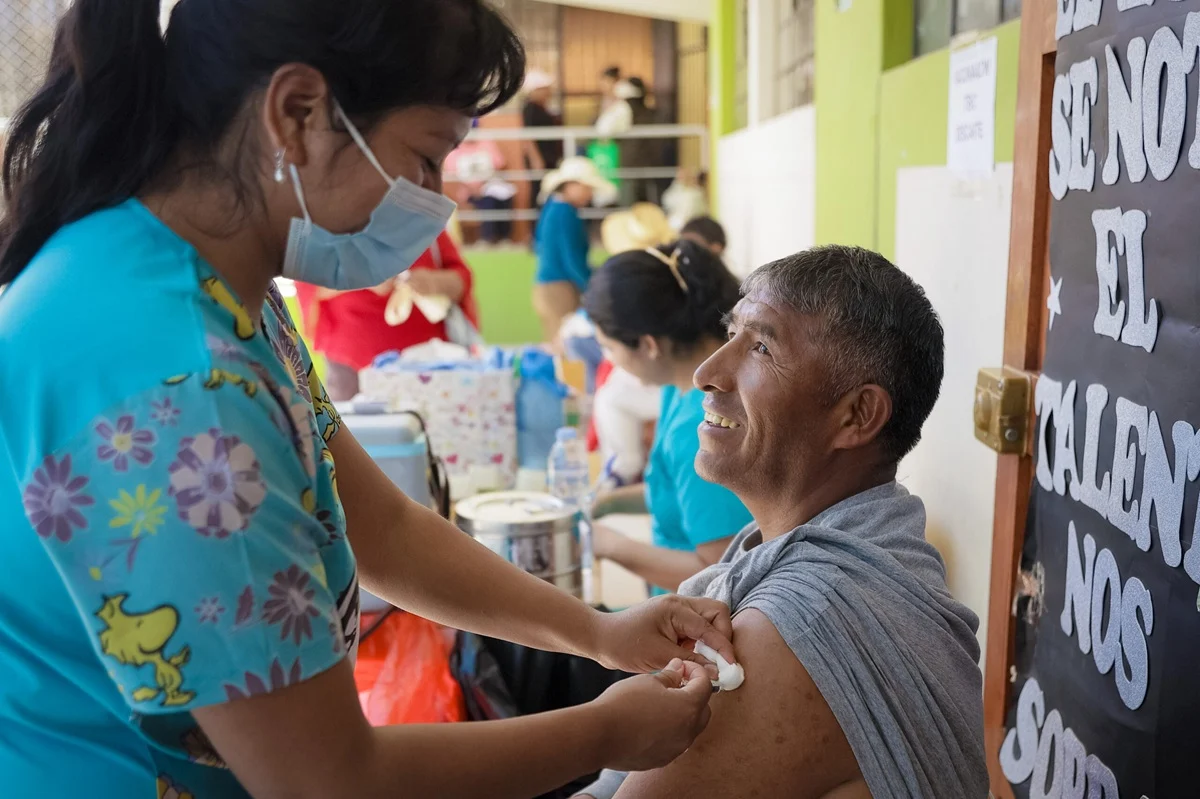
The event, which brought together medical professionals, municipal authorities, and private sector partners, successfully provided over 1,500 medical consultations, marking a significant milestone in the company’s ongoing mission to bolster the welfare of its direct area of influence.
Main Facts: A Hub of Specialized Healthcare
The health campaign was not merely a general check-up event; it was a comprehensive medical mobilization designed to bridge the gap in specialized care for the residents of San Camilo. By transforming the local infrastructure into a temporary diagnostic center, Kallpa Generación ensured that over 400 residents from the Anexos 5, 6, and 7 had access to high-quality medical services that are often geographically or economically inaccessible.
The Scope of Services
The campaign offered 10 distinct medical specialties, ensuring a holistic approach to patient health:
- Preventive & Diagnostic: General Medicine, Laboratory services, and Obstetric care.
- Specialized Care: Ophthalmology, Orthopedics and Traumatology, and Gynecology.
- Support & Wellness: Nutrition, Psychology, and Odontology.
- Advanced Imaging: On-site Ecography services.
Beyond the consultations, a critical component of the campaign was the provision of free basic medications. Patients received treatments based on their specific diagnoses, effectively removing the financial barrier to recovery and follow-up care.
Chronology of the Initiative
The successful execution of this campaign was the result of months of meticulous planning and logistical coordination.
Phase 1: Needs Assessment (Pre-Campaign)
Before the first tent was pitched, Kallpa Generación’s social management team engaged with local community leaders and the Puesto de Salud (Health Post) of San Camilo Anexo 6. This phase involved identifying the most prevalent health issues in the district, ensuring that the selection of specialists was aligned with the actual needs of the population.

Phase 2: Inter-Institutional Alliances
The campaign was built upon a "Shared Social Management" model. In the weeks leading up to the event, formal partnerships were solidified with the San Juan de Dios Clinic in Arequipa—renowned for its expertise—as well as the Municipality of San Camilo and the Juan Velasco Alvarado Educational Institution. This collaborative framework ensured that the event had the necessary infrastructure, regulatory permits, and medical staff to operate at scale.
Phase 3: Deployment and Execution
On the day of the event, the logistical flow was structured to maximize efficiency. Residents underwent an initial triage process, which allowed for the categorization of medical needs and optimized the flow to the specific specialists required. The integration of local entities ensured that the site was accessible to residents across the various anexos of San Camilo.
Supporting Data: Impact and Reach
The metrics of this initiative offer a clear view of the demand for such services in the Arequipa region. With more than 1,500 individual attentions recorded in a single day, the average patient received multiple services, highlighting the efficacy of the "one-stop-shop" model for rural health.
- Participation Rate: Over 400 unique community members were served, representing a significant percentage of the local population in the targeted anexos.
- Operational Scale: The inclusion of 10 medical specialties indicates a level of clinical breadth rarely seen in corporate-sponsored community events.
- Sustainability: By collaborating with the Puesto de Salud San Camilo, the campaign did not act in isolation; it strengthened the local health network, allowing for potential follow-ups and data sharing between the clinic and the local health post.
Official Responses and Strategic Vision
The success of the initiative was highlighted by key stakeholders who emphasized that the campaign was not a one-off event, but part of a broader, systemic approach to social investment.
Luis Eduardo Alburqueque Castro, Gerente de Gestión Social de Kallpa, provided insight into the company’s philosophy:
"For Kallpa, health is a fundamental axis of our social management. The significant turnout at this campaign in San Camilo confirms that when different institutions work in a coordinated, articulated manner, we can achieve great results in favor of the population."
This statement reflects the "Shared Social Management" model, which moves away from paternalistic corporate aid toward a model of empowerment. By involving the state (via local health posts and municipalities), private entities (Kallpa), and specialized medical providers (San Juan de Dios Clinic), the initiative created an ecosystem where the community is a beneficiary of a unified effort rather than a recipient of isolated charity.

Implications: The Future of Corporate-Community Relations
The San Camilo health campaign carries significant implications for how energy companies and major industrial players operate in Peru.
1. The "Shared Social Management" Paradigm
Kallpa Generación’s approach demonstrates that industrial operators can act as catalysts for development. By leveraging their logistical capabilities to facilitate access to healthcare, companies can build social "licenses to operate" that are based on tangible, mutual benefits rather than mere proximity.
2. Addressing the Rural-Urban Healthcare Divide
Peru continues to face significant challenges in the distribution of healthcare specialists. By bringing specialized services (such as orthopedics and ophthalmology) directly to rural areas like La Joya, companies like Kallpa are effectively decentralizing healthcare. This model proves that with the right investment, the distance between specialized urban clinics and rural population centers can be bridged.
3. Strengthening Local Institutional Capacity
By involving local institutions—the municipal government and local schools—in the organizational process, the initiative helps strengthen the administrative and planning capacities of these entities. This creates a legacy of efficiency that extends beyond the life of the campaign itself.
Conclusion: A Path Forward
As the Sunny Photovoltaic Solar Plant continues its operations in Arequipa, the health of the surrounding population remains intrinsically linked to the stability and success of the project. Kallpa Generación’s recent campaign serves as a model of how private enterprise can meaningfully contribute to the public good.
The commitment to San Camilo is not just about the 1,500 consultations provided; it is about the long-term goal of fostering a healthier, more resilient, and well-connected society. As the company looks to the future, it has signaled a clear intent to continue these efforts, reinforcing the idea that sustainable energy and human welfare are not competing interests, but mutually reinforcing pillars of a modern, responsible society.
The success in La Joya stands as a testament to the fact that when private energy producers integrate themselves into the social fabric of their host communities, the result is a more robust, healthier, and more prosperous future for all stakeholders involved.