By Global News Desk
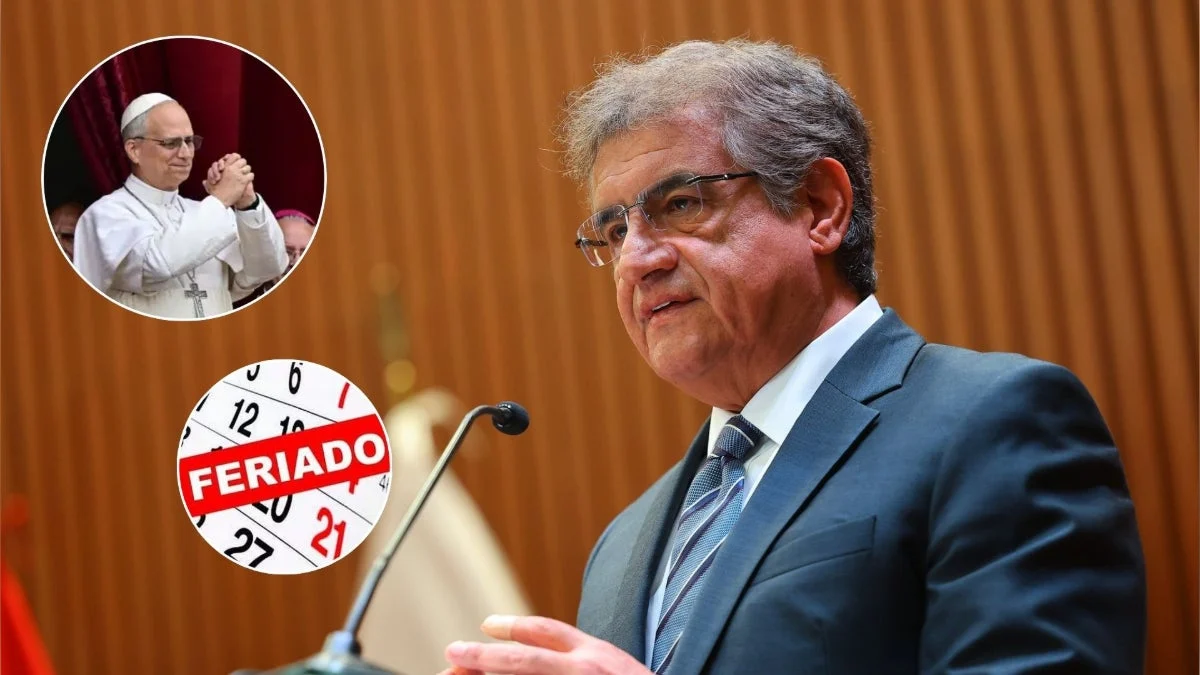
As the excitement surrounding the upcoming visit of Pope Leo XIV to Peru continues to build, the Peruvian government has initiated high-level deliberations to balance the logistical requirements of such a massive event with the continuity of the national economy. With the visit scheduled for November 11–16, the Ministry of Labor and Employment Promotion, led by Minister Juan Sheput, has confirmed that the administration is currently crafting a comprehensive strategy to manage workforce logistics, including the potential declaration of national or regional holidays and the implementation of flexible labor policies.
Main Facts: The Scope of the Potential Measures
The government’s primary objective is to accommodate the spiritual aspirations of millions of Peruvians while mitigating the inevitable disruptions to the workforce caused by massive public gatherings, road closures, and the logistical demands of a papal itinerary.
Minister Juan Sheput emphasized that the government is not merely considering a blanket declaration of holidays, but rather a multi-faceted approach. This includes:
- Potential National or Regional Holidays: Assessing whether to grant full days off in specific provinces where the Pope will be present, or potentially nationwide, to allow for public participation.
- Workplace Flexibility: Implementing "tolerance" periods—grace periods for arrival or departure—for employees in areas directly impacted by the "wave" of papal activities.
- Special Leave Policies: Establishing frameworks for employees to request time off or travel permits to attend events in different regions of the country.
"It is not a matter of simply declaring a day off," Minister Sheput stated during a recent press briefing. "We are looking at the logistical reality of thousands of people moving across the country to witness the Pontiff’s visit. We have to coordinate this with the private sector to ensure that our decisions are both compassionate and economically sustainable."
Chronology: Preparing for a Historic Event
The planning process is being treated as a logistical operation of the highest order. The timeline for these decisions is tight, as the government seeks to provide clarity to both businesses and the public well before the November start date.
- Early Planning Phase: The Ministry of Labor has officially formed a dedicated task force charged with creating an "inventory of activities." This inventory maps out every location, time, and scale of the Pope’s public appearances to predict the resulting traffic and attendance patterns.
- Inter-Ministerial Coordination: This data is being funneled directly to the office of the Chancellor, Carlos Espá, who is heading the central committee responsible for the Pope’s visit. The collaboration between the Ministry of Labor and the Chancellery is vital for ensuring that the government’s labor policy aligns with the security and diplomatic requirements of the visit.
- The Upcoming Deliberations: The government is set to engage in formal discussions with business leaders and labor representatives. The goal is to reach a consensus that prevents the visit from becoming an economic burden on small and medium-sized enterprises (MYPEs) while honoring the national significance of the event.
Supporting Data: Why Labor Flexibility is Essential
The magnitude of Pope Leo XIV’s visit is expected to create unprecedented movement across Peru. Data from previous large-scale international events suggests that infrastructure and transportation systems often reach peak capacity when high-profile figures visit, leading to significant delays for the average commuter.
The "Wave" Effect
Minister Sheput highlighted the "wave effect" that mass gatherings produce. Even if an office is not located at the site of a papal mass, the transit routes leading to that area may be blocked or heavily congested, making it physically impossible for employees to arrive on time. The government’s proposal for "tolerance" aims to protect workers from disciplinary action in cases where their inability to reach their workplace is the direct result of these large-scale public events.
Economic Impact and Small Businesses
While some sectors, such as hospitality and tourism, are expected to see a massive boom during the visit, other sectors—particularly manufacturing and administrative services—may face temporary downtime. The Ministry of Labor is analyzing how to ensure that the declaration of potential holidays does not inadvertently hurt the productivity of smaller companies that rely on daily operations to maintain their margins.
"There is a great disposition from the business community to cooperate," Sheput noted. "They understand that this is a once-in-a-lifetime event for many, and they are willing to work with us to find that balance."
Official Responses: The Government’s Balancing Act
The government’s stance, as articulated by Minister Sheput, is one of cautious, measured negotiation. The Ministry of Labor is under pressure to protect the rights of workers who wish to attend the Pope’s events, while simultaneously ensuring that the country’s economic engine does not grind to a halt.
The Role of the Private Sector
A crucial part of the process involves the Consejo Nacional del Trabajo (National Labor Council). By bringing together representatives from both the government, labor unions, and business chambers, the Ministry hopes to find a "socially responsible" solution. This includes encouraging employers to be flexible with their staff, possibly through compensatory time-off agreements or flexible shifts, rather than mandatory government-mandated holidays that might be costly to implement.
The Chancellor’s Oversight
Chancellor Carlos Espá remains the central point of contact for all logistics. By centralizing the planning under the Chancellery, the government ensures that labor policies do not conflict with the complex security protocols required for the Pope’s protection. This coordination is particularly important for regional visits, where local governments may have different needs and capacities compared to the capital, Lima.
Implications: What This Means for the Future of Labor
The debate over how to handle the papal visit is part of a larger conversation in Peru regarding labor flexibility in the face of modern, large-scale events.
Precedent for Future Events
If the government successfully navigates this week of intense activity, the protocols developed for the Pope’s visit could serve as a model for future national events, such as large international summits, major sporting tournaments, or significant public celebrations. The focus on "workplace tolerance" and "travel permits" indicates a move toward more agile labor laws that recognize the reality of urban transit and the human needs of the workforce.
The Cost of Public Participation
One of the key implications of these measures is the shift in the employer-employee relationship regarding personal or spiritual activities. By proactively addressing these needs, the government is signaling that it views the participation of citizens in major events as a matter of public interest, not just private choice. However, economists warn that the cumulative cost of non-working days must be carefully calculated. If the government declares too many holidays, the impact on the national GDP could be significant, particularly for a country that is currently working to stabilize its economic growth.
Conclusion: A Delicate Compromise
As November 11 approaches, all eyes will be on the Ministry of Labor’s final recommendations. The potential declaration of holidays and the implementation of tolerance periods represent a unique challenge for the administration.
The government is faced with the task of honoring a historic religious event that holds deep cultural significance for the Peruvian people, while maintaining the steady functioning of the economy. Through the creation of a detailed activity inventory and open dialogue with business leaders, the administration hopes to avoid the friction that often accompanies such large-scale disruptions.
Ultimately, the decisions made in the coming weeks will reflect the government’s ability to act as a bridge between the spiritual expectations of its citizens and the practical requirements of a modern, functioning state. As Minister Sheput has indicated, the goal is not to force a choice between faith and work, but to find a middle ground where both can coexist in a harmonious and orderly fashion.