Cusco Accelerates Strategic Construction of the Huambutio Bridge to Boost Regional Integration
by
Executive Summary: A New Gateway for the Cusco Highlands
In a significant push to modernize regional infrastructure and bridge the connectivity gap, the Regional Government of Cusco is intensifying construction efforts on the ambitious Huambutio Bridge project. This critical infrastructure endeavor, currently at a 15% physical progress rate, is poised to become a vital artery for the southern highlands. By linking the provinces of Paucartambo, Calca, and Quispicanchi, the bridge aims to catalyze economic development, improve logistical efficiency for agricultural products, and provide a safer, more reliable transit corridor for more than 50,000 residents.
The project, managed by the Regional Directorate of Transport and Communications (DRTC), represents a strategic investment in the long-term socioeconomic stability of the Cusco region. As the project moves into one of its most technical phases, local authorities are emphasizing both the speed of execution and the stringent engineering standards required to ensure the structure’s longevity in a challenging river environment.
Chronology of the Project: From Planning to Execution
The Huambutio Bridge project is the result of years of planning aimed at mitigating the isolation of rural communities in the Cusco region. Historically, these areas have faced significant challenges in transporting local agricultural produce to major markets, often due to inadequate crossing points over the Huambutio River.
Initial Planning and Procurement: The project underwent a rigorous selection process to ensure that the construction entity, the Consorcio Grupo Álvarez, possessed the necessary technical expertise to handle complex river engineering.
Site Mobilization (Mid-2026): Following the finalization of the technical file and the arrival of heavy machinery, the site was mobilized to begin foundation work.
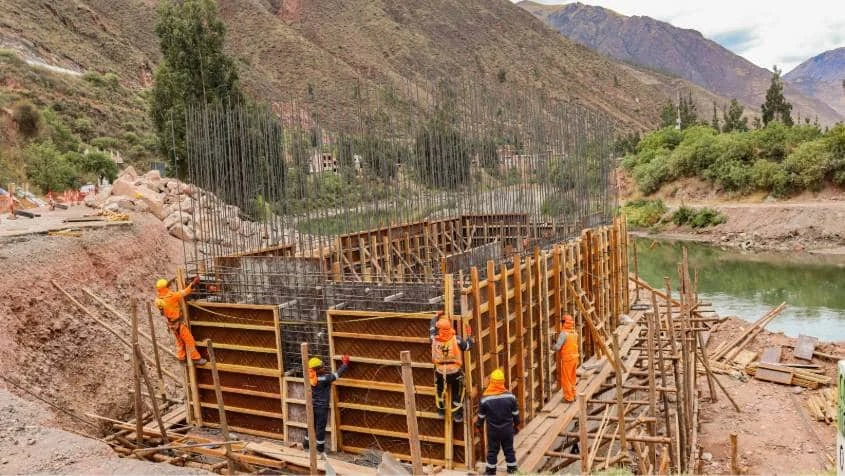
Current Phase (August 2026): The project is currently in the critical stage of foundation work. Crews are focused on the "caisson" installation—a deep-foundation method essential for stability in riverbeds. The successful completion of the left-bank caisson has marked a milestone, with work shifting to the right bank this week.
Future Milestones: Once the foundations are secured, the project will move into the superstructure phase, involving the erection of the bridge deck and final safety installations, with authorities closely monitoring the schedule to prevent potential delays caused by seasonal climate shifts.
Supporting Data: Engineering and Technical Specifications
Building a bridge in a high-altitude Andean environment requires specialized engineering, particularly when dealing with the variable flow of the Huambutio River. The technical nature of the work currently underway involves the "hincado del caisson" (caisson sinking), a process performed below the riverbed level to anchor the bridge against seismic activity and hydraulic pressure.
Technical Highlights:
Construction Method: The use of reinforced concrete caissons ensures that the bridge foundations can withstand the scouring effects of the river. This is considered the most "delicate and demanding" phase of the project, requiring constant monitoring by geotechnical engineers.
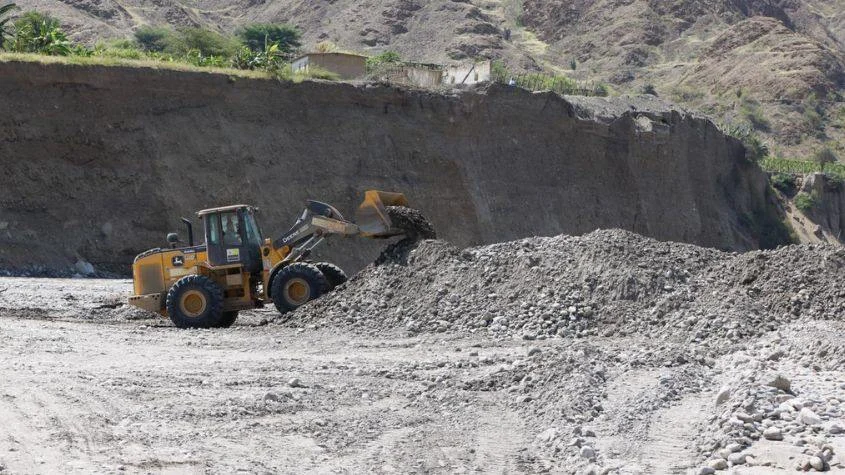
Logistics and Machinery: The site is equipped with heavy-duty drilling and lifting equipment capable of operating in restricted spaces along the riverbanks. The project requires a high ratio of skilled labor, including specialized welders, civil engineers, and safety inspectors.
Safety Standards: Under current regulations, the Consorcio Grupo Álvarez is required to maintain strict adherence to environmental protection and workplace safety protocols. Given the proximity to the water, environmental safeguards are in place to prevent river contamination during the dredging and pouring phases.
Official Responses: Committed to Connectivity
The Regional Government of Cusco has positioned this project as a flagship initiative under the administration of Governor Werner Salcedo Álvarez. The regional leadership views the bridge not merely as a concrete structure, but as a mechanism for "closing gaps"—a reference to the regional strategy of providing rural provinces with the same logistical advantages as more urbanized areas.
Fredy Yucra Huanco, the Regional Manager of Transport and Communications, recently conducted a site inspection to review the progress of the foundation work. In his address to the press, he emphasized the administration’s commitment to quality:
"We are executing projects of road infrastructure that allow us to close gaps, improve connectivity between the provinces, and generate new opportunities for the population. Our commitment is not just to build, but to deliver a modern, functional, secure, and durable infrastructure that will serve the people of Cusco for generations to come."
The oversight process is multifaceted. The DRTC employs a team of supervisors who perform daily checks on the materials being used, ensuring they meet the high-tensile standards required for seismic resilience in the Andes.
Implications: Socioeconomic Impact on 50,000 Inhabitants
The completion of the Huambutio Bridge is expected to have a transformative impact on the local economy. The provinces of Paucartambo, Calca, and Quispicanchi are regions with high agricultural potential, yet they have historically struggled with high transportation costs and long transit times to the provincial capitals.
Economic Connectivity:
Currently, farmers in these regions face significant hurdles during the rainy season, when river crossings become dangerous or impassable. The new bridge will provide an all-weather solution, reducing the time required to transport perishable goods. This is expected to lower consumer prices in urban centers while increasing the profit margins for rural producers.
Social Integration:
Beyond economics, the bridge facilitates better access to public services. For the 50,000 inhabitants, the structure will effectively shorten the distance to regional hospitals, educational institutions, and government offices. It acts as a bridge to opportunity, allowing residents to access specialized services that were previously hours away.
Tourism Potential:
The Huambutio region is part of a landscape known for its cultural and historical significance. Improved road connectivity will likely encourage tourism, allowing visitors to travel more safely between the various heritage sites in the Sacred Valley and its neighboring provinces, further diversifying the regional economy.
Challenges and Future Outlook
Despite the current progress, the project faces ongoing challenges. The geography of the Cusco region is prone to unpredictable weather, which can threaten the timeline of riverbed construction. Furthermore, the coordination of logistics—moving heavy equipment through narrow, winding Andean mountain roads—demands meticulous planning.
The Regional Government remains confident that the project will stay within its projected timeline. By maintaining a transparent line of communication with the local population and ensuring that the Consorcio Grupo Álvarez adheres to international engineering benchmarks, the government hopes to complete the project without significant cost overruns.
As the project advances, the residents of the affected provinces are watching closely. For a region that has long awaited such a vital piece of infrastructure, the Huambutio Bridge stands as a symbol of progress and a testament to the power of planned, sustained investment in the Peruvian highlands. The coming months will be critical, as the completion of the substructure will pave the way for the visible, upward development of the bridge, bringing the goal of regional integration ever closer to reality.