Peru is currently navigating a profound demographic shift that is reshaping the nation’s social and economic landscape. As the population ages at an unprecedented rate, the country finds itself grappling with a "triple threat": a rapidly expanding elderly demographic, an alarming rise in chronic health conditions, and a widening chasm of socioeconomic vulnerability. This convergence of factors is placing immense pressure on an already strained healthcare system, forcing policymakers to reconsider how the nation approaches long-term care and geriatric support.
Main Facts: A Demographic Watershed
The scale of the demographic transition in Peru is stark. According to data from the National Observatory of Prospective at the National Center for Strategic Planning (Ceplan), the segment of the population aged 65 and older has undergone a significant expansion. In the year 2000, this demographic accounted for only 4.3% of the total population. By 2024, that figure had surged to 9.2%.
This shift is not merely a statistical curiosity; it represents a fundamental change in the social structure of the country. As fertility rates decline and life expectancy increases—thanks to medical advancements and improvements in basic sanitation—the "pyramid" of Peru’s population is flattening. However, this longevity is not being met with a corresponding increase in quality of life. Instead, it is being accompanied by a surge in chronic, non-communicable diseases that require persistent medical management, long-term rehabilitation, and specialized social support.
Chronology of a Growing Vulnerability
The path to the current situation can be traced through several critical milestones in data collection and social indicators:
- 2000–2010: The Early Transition. Peru began to see a steady increase in life expectancy. During this decade, the state began to recognize the need for specific policies targeting the elderly, though investments remained fragmented.
- 2012–2016: The Warning Signs. Data from the National Institute of Statistics and Informatics (INEI) began to highlight the burden of chronic illness. In 2012, 76.2% of individuals aged 60 and older reported suffering from at least one chronic health condition. By 2016, the rate of poverty among the elderly was already a point of concern, standing at 11.2%.
- 2020: The Regional Context. The Inter-American Development Bank (BID) identified the year 2020 as a baseline for regional planning, with healthcare spending for those over 65 representing 2.2% of the regional GDP.
- 2024–2025: The Current Crisis. Recent data confirms the acceleration of the trend. Chronic disease prevalence among the elderly has risen to 79.3%. Simultaneously, poverty among this group has climbed to 14.2%, and extreme poverty has reached 13.5%.
- 2050–2100: The Future Horizon. Projections indicate that the transformation will reach a zenith by the end of the century, with those 65 and older expected to comprise approximately 32% of the population, fundamentally altering the dependency ratio of the nation.
Supporting Data: The Burden of Chronic Illness and Poverty
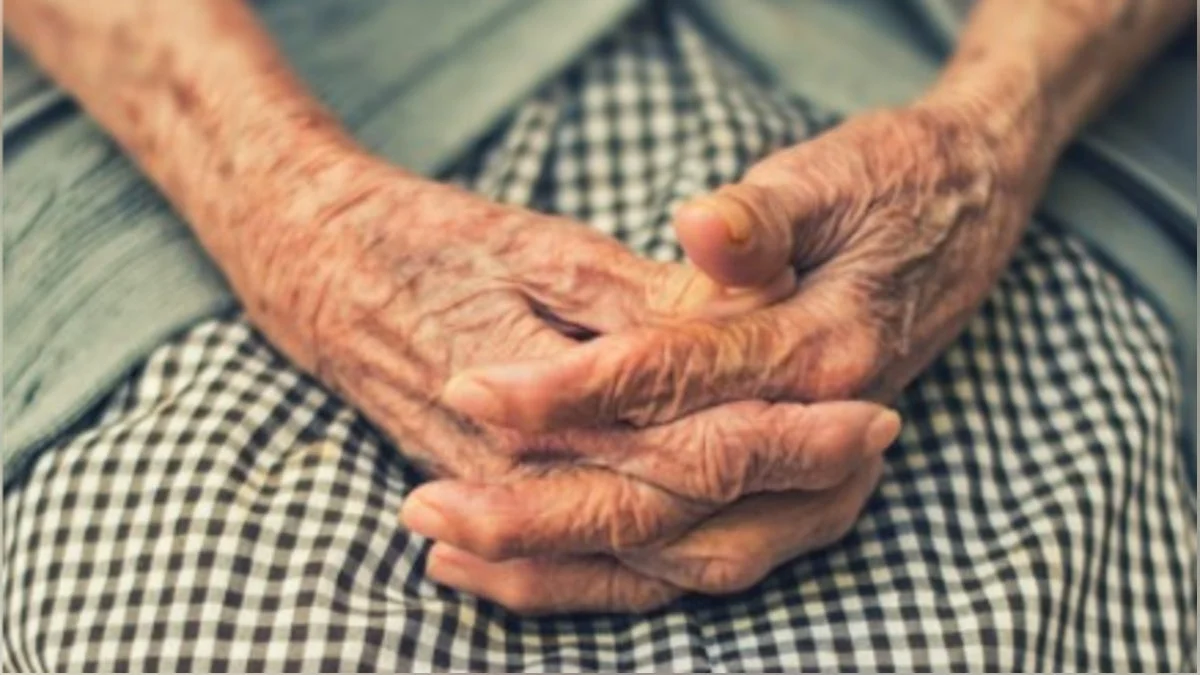
The data provided by INEI and Ceplan paint a distressing picture of the daily reality for millions of older Peruvians. Chronic conditions such as hypertension, diabetes, and musculoskeletal disorders are no longer the exception; they are the rule for nearly 80% of the elderly population.
The economic reality is equally grim. The increase in poverty levels from 11.2% in 2016 to 14.2% in 2025 suggests that the social safety net is failing to protect those who are no longer able to participate in the formal labor market. In rural areas, the situation is exacerbated by systemic neglect. Older adults in these regions face a "quadruple burden": high rates of poverty, a necessity to continue physically taxing labor well into old age, chronic undernutrition, and a lack of access to financial resources or formal healthcare facilities.
For these individuals, the "right to health" is often curtailed by the sheer distance to medical centers and the out-of-pocket costs required to access even basic care. This forces a reliance on informal caregivers, typically family members, who often lack the training or the economic support necessary to provide adequate long-term care.
Official Responses and Strategic Planning
The Peruvian government, through Ceplan, has acknowledged that the current model of reactive, hospital-centric care is unsustainable. The agency is now advocating for a transition toward an "integral care model."
The Integrated Care Approach
The proposed strategy focuses on a "course of life" approach, which emphasizes:
- Preventive Screening: Early detection of chronic conditions to prevent the need for high-cost hospitalizations later on.
- Continuity of Care: Linking primary healthcare, specialized geriatric services, and community-based rehabilitation.
- Community-Based Support: Shifting the focus from large, centralized hospitals to community and home-based care models. This includes training for family caregivers and the creation of local support networks.
Budgetary Challenges
One of the most significant obstacles identified by Ceplan is the integration of these costs into the national budget. Currently, a massive portion of healthcare costs for the elderly falls on the "out-of-pocket" expenditure of households. This is a regressive system that essentially taxes the poor for being sick. Planning for the future requires shifting this burden toward a formal, state-backed social protection system that includes long-term care as a fundamental right rather than a luxury.
Implications for Latin America and the Caribbean
Peru is not an island in this transition; it is part of a regional demographic wave that will redefine Latin America and the Caribbean. The BID projections are particularly sobering for the entire region. By 2050, the cost of medical care for the elderly is expected to jump to 4.8% of regional GDP—more than double the 2020 level.
Furthermore, the demand for long-term care services—which include daily living assistance, palliative care, and chronic disease management—is expected to rise from 0.5% to 1.4% of the regional GDP. By 2050, an estimated 23 million people in the region will require some form of long-term care, nearly three times the number in 2022.
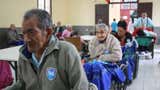
The implications are clear:
- Economic Impact: A shrinking working-age population will have to support an increasingly elderly one, leading to potential labor shortages and increased tax burdens.
- Healthcare Infrastructure: Hospitals must pivot to accommodate geriatrics, specialized nursing, and rehabilitation services rather than focusing solely on infectious diseases or acute care.
- Social Policy: There is an urgent need to formalize the caregiving profession. Currently, care is often provided by women within the family, which prevents their participation in the formal economy. Recognizing and professionalizing this work could provide a double benefit: better care for the elderly and economic empowerment for caregivers.
Conclusion: A Call to Action
The aging of the Peruvian population is an inevitable consequence of development, but the suffering currently associated with it is not. The data from Ceplan, INEI, and the BID provide a roadmap for what must be done. The transition to an aging society requires a fundamental rethink of the social contract.
Planning must move beyond short-term political cycles. It requires long-term, multi-sectoral strategies that integrate health, social protection, and urban planning. From creating "age-friendly" cities to ensuring that healthcare budgets reflect the shifting demographic reality, Peru has a narrow window to prepare. As the nation approaches the middle of the century, the ability to provide dignified, high-quality care to its oldest citizens will not only be a measure of its economic strength but a testament to its social maturity.
The time for reactive measures has passed. The era of strategic, life-course-based planning must begin immediately, ensuring that the final years of life are characterized by autonomy, dignity, and access to the care that every citizen deserves.