The intersection of private life and public responsibility has become the epicenter of a heated debate in Peruvian political circles. At the heart of this controversy is a recent investigative report by the weekly publication Hildebrandt en sus Trece, which brought to light a series of meetings between Keiko Fujimori Higuchi and the Argentine businessman Damián Valenzuela Mayer.
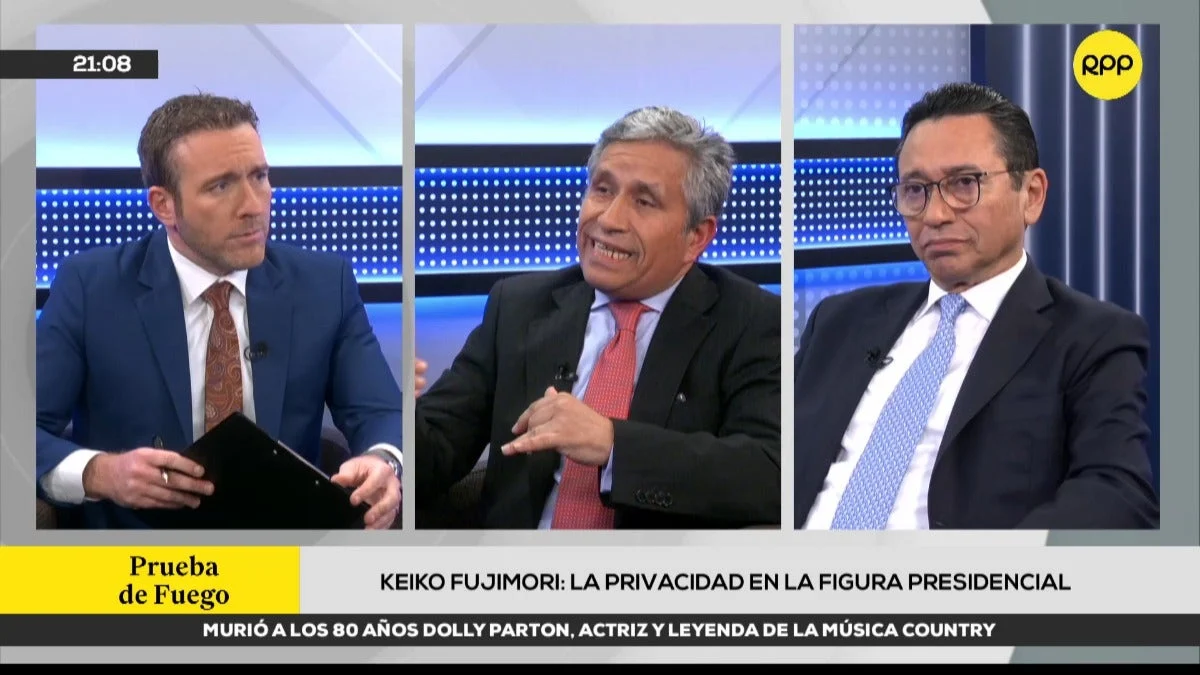
The revelations, which include a clandestine-style meeting at a spa in the La Victoria district, have sparked a polarized discussion regarding the boundaries of privacy for political figures. Legal experts Humberto Abanto and Carlos Rivera recently sparred over the implications of these findings during an appearance on RPP’s program Prueba de Fuego, dissecting whether the nature of this relationship constitutes a matter of national interest or an unwarranted intrusion into the personal life of a political leader.
The Genesis of the Controversy: A Meeting in La Victoria
The spark that ignited the current firestorm was the confirmation by Keiko Fujimori herself that she had indeed met with Damián Valenzuela Mayer. While she categorically denied any sentimental link to the businessman, the circumstances of the encounter—a private setting outside of official office hours—raised eyebrows.
For critics and political observers, the primary concern is not the romantic status of the leader, but the identity of the person she is meeting. Valenzuela Mayer has been linked to Fujimori’s electoral campaign, with some reports suggesting he acted as a key advisor. The ambiguity surrounding his actual role—whether he was an informal consultant, a strategic aide, or merely an acquaintance—has fueled speculation about his potential influence on the political agenda.
A Clash of Legal Perspectives: The Debate on Privacy
During the Prueba de Fuego debate, the divergent views of Humberto Abanto and Carlos Rivera highlighted the legal and ethical complexity of the case.
The Argument for Public Scrutiny
Carlos Rivera, a prominent legal voice, argued that while heads of state and top-tier political figures are entitled to a private life, that right is not absolute. When a private meeting involves individuals with questionable backgrounds or those who may be exerting undisclosed influence on governance, the public interest takes precedence.
Rivera defended the legitimacy of the investigation by Hildebrandt en sus Trece, asserting that the media has a duty to expose potential conflicts of interest. "Especially when dealing with individuals who have the track record attributed to this gentleman, and who are rumored to have held the status of a presidential advisor—a role that has been both affirmed and denied by different factions—the public has a right to know," Rivera stated. For him, the evidence, including Valenzuela’s presence at the inauguration ceremony, suggests a political nexus that transcends mere friendship.
The Defense of Personal Boundaries
Conversely, Humberto Abanto took a firm stance against what he perceives as a "media excess." Abanto emphasized that the meeting in question occurred before Fujimori assumed her current office, arguing that it is unfair to project retrospective suspicion onto a meeting that predates her formal executive duties.
"There is an overreach here," Abanto contended. "He has been accused of being a fraudster, yet there is not a single criminal conviction to support that claim. Journalistic research must respect the truth and observe boundaries." Abanto challenged the existence of any public interest, asking, "In what state business is Mr. Valenzuela currently involved? I have yet to find any evidence of it."
Chronology of Events and Escalation
To understand the weight of the current situation, it is necessary to look at the timeline of events that brought Damián Valenzuela Mayer into the spotlight:
- The Campaign Period: Reports emerge suggesting Valenzuela Mayer provided strategic advice to the Fujimori camp. The nature and compensation for this work remain opaque.
- The Inauguration: Observers note the presence of the Argentine businessman at the official swearing-in ceremony, signaling a closer-than-average relationship with the inner circle.
- The Investigation: Hildebrandt en sus Trece publishes a detailed report documenting meetings, including a rendezvous at a spa in La Victoria, and raises questions regarding alleged past legal troubles of Valenzuela in the United States.
- The Public Response: Keiko Fujimori publicly addresses the reports, confirming the meetings but strictly denying any sentimental involvement.
- Legal Retaliation: Valenzuela Mayer takes to social media platform X (formerly Twitter) to vehemently deny the allegations of fraud, labeling the reports as "aggravated defamation" and announcing legal action against the journalists involved.
Damián Valenzuela Mayer: The Man in the Crosshairs
The controversy is as much about the credibility of the businessman as it is about the leader he advised. Valenzuela Mayer has found himself at the center of a media storm, accused of having a history of financial irregularities.
In a formal response, Valenzuela has adopted an aggressive legal posture. He claims that the accusations published by the weekly magazine have caused him significant "moral and financial damage." According to documents accessed by RPP, Valenzuela has dispatched a notarial letter to the publication, asserting that he has never been convicted of a crime. He explicitly differentiates between civil disputes and criminal charges, arguing that the processes cited in U.S. jurisdictions are civil in nature and do not equate to the criminal labels being applied by the press.
Implications for Governance and Transparency
The debate between Abanto and Rivera underscores a broader crisis of trust in Peruvian politics. When a political leader meets with a consultant whose background is murky, the lack of transparency inevitably invites suspicion.
The Question of "Informal Advisors"
The case brings to the forefront the risks of "shadow" advisors—individuals who wield influence without holding an official title or undergoing the vetting processes required for public servants. If an individual is advising a leader, the public deserves to know the scope of that advice and whether it serves the national interest or private gain.
The Role of Media in a Polarized Society
The intensity of the reaction—from both the political class and the subjects of the investigation—highlights the volatile relationship between the press and political figures in Peru. While the media strives to uphold accountability, political figures often view these investigations as partisan attacks. The challenge lies in determining where the "right to privacy" ends and the "right to information" begins.
Conclusion: The Need for Clarity
As the legal threats against Hildebrandt en sus Trece proceed, the public remains divided. For some, the investigation is a necessary check on power, a tool to ensure that the individuals surrounding political leaders are held to a standard of integrity. For others, it is an invasive smear campaign that ignores the reality of personal liberty.
Ultimately, the resolution of this case will hinge not just on legal outcomes, but on the level of transparency provided by those in power. Whether or not Damián Valenzuela Mayer ever held an official role, his proximity to the corridors of power has made him a subject of legitimate public curiosity. In a healthy democracy, the onus remains on political leaders to clarify such associations, as silence only serves to amplify the narrative of suspicion.
As this story continues to develop, it serves as a stark reminder that in the arena of high-stakes politics, the distinction between the personal and the political is increasingly blurred, and the scrutiny of the press remains the only buffer against potential abuses of influence.