By Investigative Desk
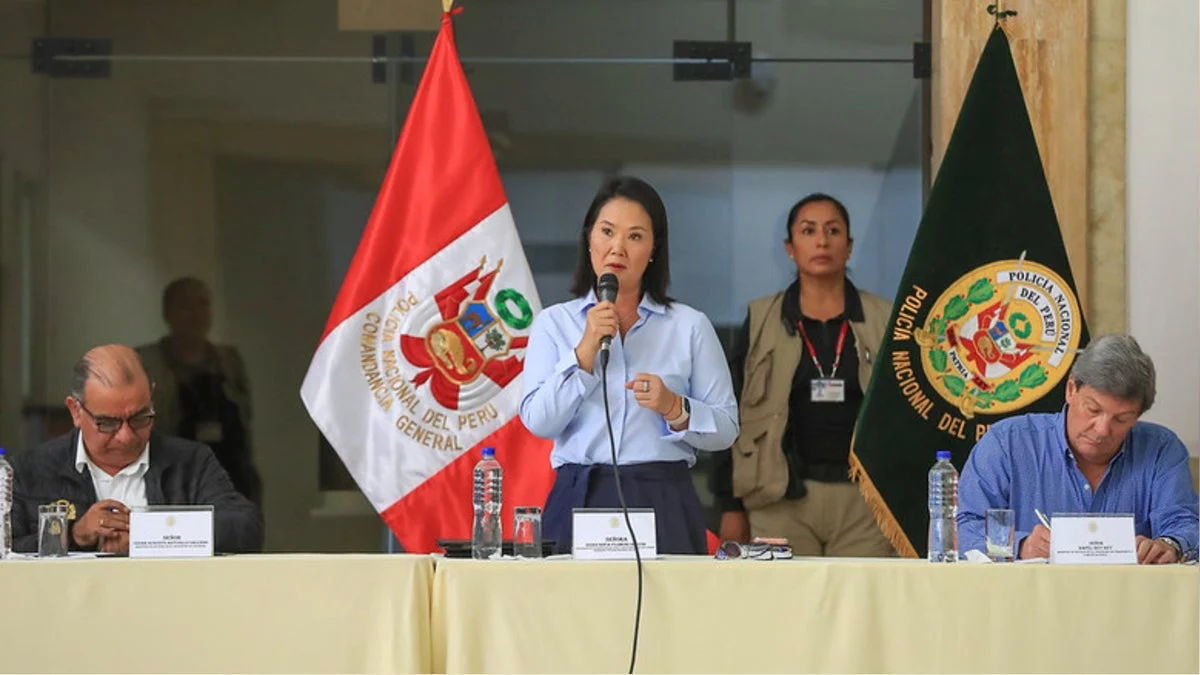
In a decisive move to address the escalating crisis of insecurity paralyzing the nation’s transportation sector, President Keiko Fujimori convened a high-level emergency summit at the Government Palace. The meeting, which brought together leadership from transport unions representing Lima, Arequipa, Junín, Piura, La Libertad, and Áncash, marked a turning point in the executive branch’s strategy to dismantle organized crime networks that have weaponized extortion against the backbone of the Peruvian economy.
The summit underscored a shift toward a multi-sectoral approach, acknowledging that traditional policing alone is insufficient to counter the sophisticated digital and financial webs used by criminal syndicates.
Main Facts: A Coordinated Multi-Sectoral Front
The core directive emerging from the meeting is the integration of non-traditional allies—specifically mobile telecommunications operators and the financial services sector—into the national security framework. President Fujimori identified these two sectors as the primary conduits through which "cupos" (extortion payments) are processed and facilitated.
"We must incorporate mobile operators and the financial system into our security table," Fujimori stated. "We know for a fact that extortion payments are facilitated through these channels. It is time for these industries to be active participants in the eradication of these criminal flows."
To institutionalize this collaboration, the administration announced the formation of two permanent working groups:
- The Regulatory and Economic Table: Led by the Minister of Transport and Communications, Rafael Rey, this group will address systemic issues, permits, and economic relief for transport operators affected by the crime wave.
- The Security and Intelligence Table: Led by the Minister of the Interior, César Astudillo, this group will focus on real-time intelligence, the protection of transit routes, and the neutralization of criminal cells.
Chronology of the Crisis and Government Response
The escalation of violence targeting bus lines and logistics companies has reached a boiling point over the past several months, forcing a series of localized strikes that have threatened the supply chain of major cities.
- Phase 1: The Escalation (Q3 2024): A surge in reports revealed that organized criminal groups were systematically targeting small-to-medium-sized transport companies. Drivers were subjected to death threats, and vehicles were set ablaze as "punishment" for failing to meet extortion demands.
- Phase 2: Public Outcry: Transport union leaders from the interior regions joined forces with Lima-based syndicates, organizing a unified front to demand state intervention. The protest movement emphasized that the current security protocols were outdated and ineffective.
- Phase 3: Emergency Convocation: President Fujimori invited regional representatives to Lima for a direct dialogue, bypassing bureaucratic intermediaries to address the grievances of the transport sector directly.
- Phase 4: The Strategic Pivot: The announcement of the dual-table working groups and the inclusion of telecom and banking regulators signals a transition from reactive policing to proactive, systemic disruption of criminal finances.
Supporting Data: The Anatomy of Extortion
The extortion crisis is not merely a localized issue of street crime; it is an economic malignancy. According to data shared during the summit, extortionists have moved away from physical cash collection, which is easily tracked, to digital transfers and mobile wallets.
The Digital Threat
Criminal groups utilize "burner" phones and illicitly registered SIM cards to threaten drivers. By forcing the government to engage mobile operators, the administration aims to implement mandatory biometric verification for all new SIM activations and stricter monitoring of IMEI blacklisting.
The Financial Drain
The financial sector is currently being used to launder extortion proceeds. The new security protocols will require banks and fintech companies to flag irregular transaction patterns—specifically those involving frequent micro-transfers to accounts linked to known criminal entities.
Migration and Criminality
President Fujimori also addressed the intersection of migration and organized crime. She signaled a hardening of the national policy regarding the expulsion of foreign nationals with criminal records. "We are committed to a systemic change in our migratory framework," she noted, emphasizing that the state will prioritize the safety of its citizens by tightening entry requirements and expediting the deportation process for non-citizens found participating in criminal rackets.
Official Responses: Strengthening the Shield
Minister of the Interior César Astudillo, who participated alongside the high command of the National Police, provided a roadmap for immediate operational changes.
"We are not just talking; we are deploying," Astudillo remarked. "There is an immediate increase in the police presence on bus routes, at major terminals, and in high-risk transit hubs. We ask for the public’s and the transport sector’s patience as we consolidate these efforts. We are reinforcing the tools the police need to face a very modern, very aggressive enemy."
New Operational Pillars:
- Expansion of Flagrancy Units: To ensure that those caught in the act of extortion face immediate prosecution, the government is expanding the number of dedicated flagrancy courts, reducing the time between arrest and sentencing.
- Plan Escudo (Shield Plan): This initiative will be bolstered by the logistical and tactical support of the Armed Forces, particularly in high-traffic corridors where extortion rings are most active.
- The Extortion Platform: A new digital reporting platform will be launched, allowing citizens and drivers to report threats in real-time. This system will be linked directly to the Interior Ministry’s intelligence unit, ensuring that data is analyzed instantly to map out the criminal network’s hierarchy.
Implications: A New Era for Transport Security
The implications of this meeting are profound. By bringing the banking and telecommunications sectors to the table, the Fujimori administration is attempting to "choke out" the extortion economy. However, the success of this strategy rests on the efficacy of the collaboration between these private entities and the state.
Economic Stabilization
For the transport sector, the primary hope is that these measures will lower the "security tax" they have been paying to criminal groups. For the government, this is a test of its ability to manage the delicate balance between public security and private sector regulation.
Political Stability
Politically, the President has positioned herself as a leader capable of mediating between the concerns of the grassroots labor unions and the technical requirements of the security apparatus. By taking personal charge of the dialogue, she has effectively neutralized some of the criticisms regarding the government’s perceived detachment from the daily struggles of the transport industry.
The Challenges Ahead
Critics have noted that while the strategy is robust on paper, the challenge remains the implementation. Corruption within lower-level bureaucracy and the potential for criminal groups to adapt their digital tactics pose significant hurdles. The government’s promise to utilize "intelligence" rather than just force will be scrutinized by civil society organizations who are wary of potential overreach.
As the government moves to implement these changes, the eyes of the nation will remain on the transport terminals of Lima and the provincial hubs of the interior. The success of the "Security and Intelligence Table" will not be measured by the number of meetings held, but by the tangible reduction in extortion-related incidents and the restoration of safety for the thousands of Peruvians who rely on the public transport system every day.
"We have heard the voices of our drivers and business owners," President Fujimori concluded at the close of the meeting. "This is not a temporary fix. We are dismantling the structural foundations that allow these criminals to operate. We will not rest until the transport sector can operate without fear."