Executive Summary: A Race Against Climate Uncertainty
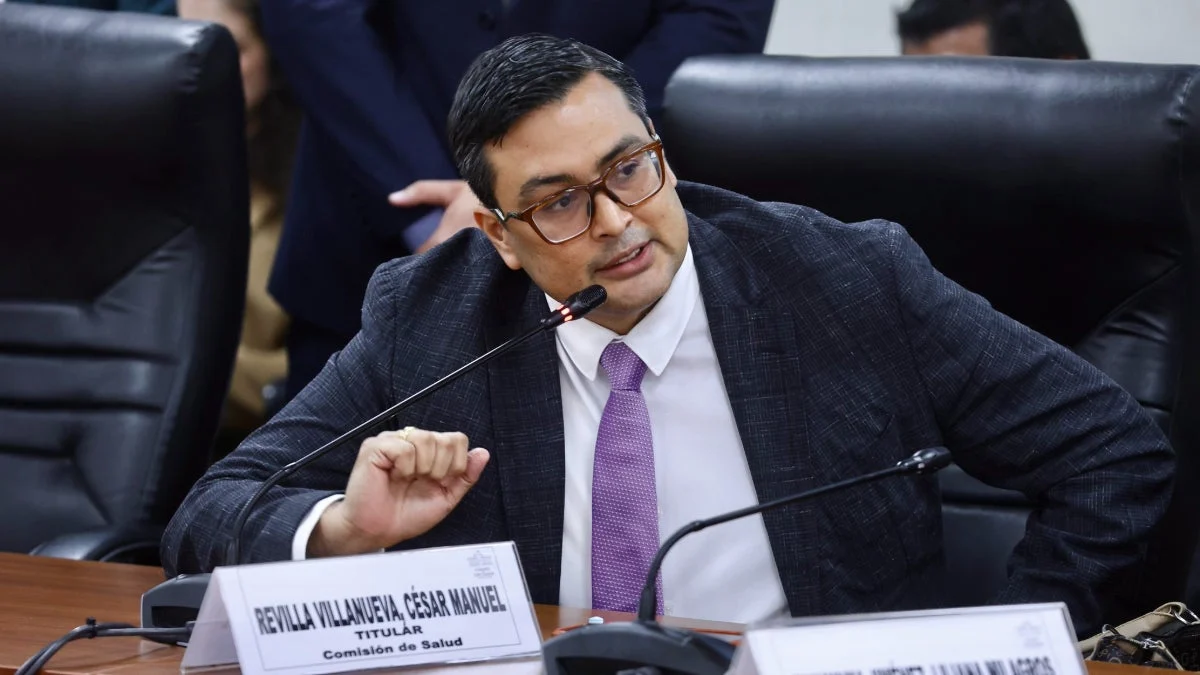
As the Peruvian government intensifies its efforts to mitigate the anticipated impacts of the El Niño Costero phenomenon, the political discourse surrounding national readiness has reached a boiling point. César Revilla, a congressman representing the Piura region (Fuerza Popular), recently provided a candid assessment of the current state of emergency preparations. Speaking during the Enfoque de los Sábados broadcast, Revilla drew a sharp distinction between "prevention"—which he argues was neglected by previous administrations—and "preparation," the current, frantic scramble to minimize the inevitable damage.
The congressman’s statements highlight the precarious position of the current executive branch, which finds itself attempting to manage a climate crisis while grappling with the systemic failures and lack of planning inherited from its predecessors. With the clock ticking, the government is shifting from long-term preventive infrastructure to emergency mitigation and private-sector partnerships.
Chronology: From Neglect to Emergency Response
The history of Peru’s vulnerability to El Niño is long and storied, but the current escalation can be traced through several distinct phases of political and environmental developments:
- The Years of Inaction (2020–2022): Experts and current administration officials assert that the previous government failed to allocate necessary budgets or implement structural desilting (descolmatación) programs for riverbeds. During this period, critical maintenance was deferred, leaving regions like Piura highly susceptible to flooding.
- The Transition of Power (Late 2022–Early 2023): Upon taking office, the current executive branch claimed to have found a "state of disarray," with no cohesive master plan to address the climate warnings issued by international meteorological agencies.
- The Declaration of Emergency (2023): Recognizing the imminent threat, the Ministry of Development and Agriculture (MIDAGRI) launched a commission to coordinate public and private responses.
- The Current Phase (Present): The government has transitioned into a "preparation phase." This involves immediate interventions, such as the deployment of heavy machinery, the signing of private-sector cooperation agreements, and the mobilization of health resources for vaccination campaigns.
Supporting Data and Technical Challenges
The reality of El Niño is not merely political but profoundly technical. The core issue remains the physical condition of the river basins. As Revilla emphasized, the lack of prior desilting efforts means that the country is now in a position where full prevention is no longer possible.
The Infrastructure Gap
The primary objective of current efforts is to clear river channels to prevent overflow during heavy rains. However, the government acknowledges that these efforts are reactive. When asked about the severity of the situation, the executive branch—represented by officials like the Minister of Development and Agriculture—has been transparent about the lack of available tools. The absence of a pre-existing plan meant that the current administration had to start from scratch, identifying critical points along rivers while simultaneously trying to secure fuel, personnel, and machinery.
Regional vs. National Responsibilities
A significant challenge identified by the congressman is the coordination between the national government and regional authorities. While the national government holds the responsibility for broad emergency strategy, local governments (such as the regional government of Piura) manage the direct application of resources and health services. Revilla noted that the national government is currently providing fuel and technical guidance, while the regional authorities provide the existing machinery and human capital, illustrating a "co-dependency" model necessitated by the crisis.
Official Responses and Political Accountability
The political fallout from the impending climate crisis has placed the current government under immense pressure. Congressman Revilla defended the administration’s handling of the crisis, specifically addressing criticisms directed at the executive.
Defending the Executive Branch
"The president cannot begin to criticize local authorities at this stage," Revilla stated. He argued that in a state of national emergency, the primary duty of the executive is to provide guidance, organization, and operational capacity. He contended that the president’s role is to act as a bridge, utilizing whatever resources are currently available, regardless of the quality or the previous management of those assets.
Support for Minister Marco Vinelli
The congressman offered a robust defense of the Minister of Development and Agriculture, Marco Vinelli. Critics have accused the administration of slow progress, but Revilla insists that the Minister is providing a "truthful account" of the situation. By acknowledging the lack of existing plans and the "complicated state" in which the government found the bureaucracy, the Minister is not dodging responsibility, but rather highlighting the difficulty of acting in a vacuum of prior planning.
Regional Spotlight: The Case of Piura
Piura remains one of the most vulnerable regions in the country. To combat this, the government has moved beyond the traditional public-sector-only model by leveraging private-sector cooperation.
The Role of the Private Sector
A landmark development in the Piura response is the agreement between the Ministry of Agriculture and the Romero Corporation. This agreement stipulates that the private entity will assume the costs and execution of specific river desilting projects. This "donated" work is a critical component of the government’s strategy to bridge the gap left by insufficient state funding.
The Health Dimension
Beyond infrastructure, the government is focusing on the secondary effects of flooding, specifically the threat of disease. The Ministry of Health has coordinated with regional health directors to initiate mass vaccination campaigns. Revilla noted that the logistical division of labor—where the national government supplies the vaccines and the regional governments execute the deployment—is a vital mechanism for ensuring that public health does not collapse during the rainy season.
Implications for the Future of Peru
The situation in Peru reflects a broader global struggle: the difficulty of shifting from "disaster response" to "disaster prevention."
The Cost of Inaction
The most sobering aspect of the current discourse is the acknowledgment that damage is now inevitable. When Revilla stated, "we are going to have losses, we are going to have a strong impact," he was echoing the consensus among meteorologists and civil engineers. The current efforts are not intended to prevent the phenomenon entirely, but to prevent the catastrophe from becoming a total collapse.
Lessons for Governance
The crisis serves as a stark reminder of the long-term consequences of political instability. When governments prioritize short-term political survival over long-term infrastructure maintenance, the environment eventually forces a reckoning. The shift toward public-private partnerships in Piura may serve as a template for future disaster management, but it also highlights a failure of the state to provide necessary services independently.
Moving Forward
As the country enters the peak months of El Niño, the government’s ability to coordinate with regional entities will be tested. The success of the current strategy will be measured by two metrics:
- Operational Efficiency: Can the machinery be fueled and operated in a timely manner across all critical river points?
- Public Trust: Will the transparent communication regarding the limitations of the state suffice to manage the public’s expectations?
The discourse provided by Congressmen like César Revilla underscores a critical shift in the Peruvian political landscape: the acceptance that the climate is no longer a peripheral issue, but the central challenge to national security and governance. Whether the current administration can effectively lead the country through the coming months will likely define its legacy and the future of regional disaster planning in Peru.
Disclaimer: This report is based on current political statements and ongoing government initiatives as of the recent update. It highlights the complexities of the current administration’s strategy and the systemic challenges inherited from previous terms.