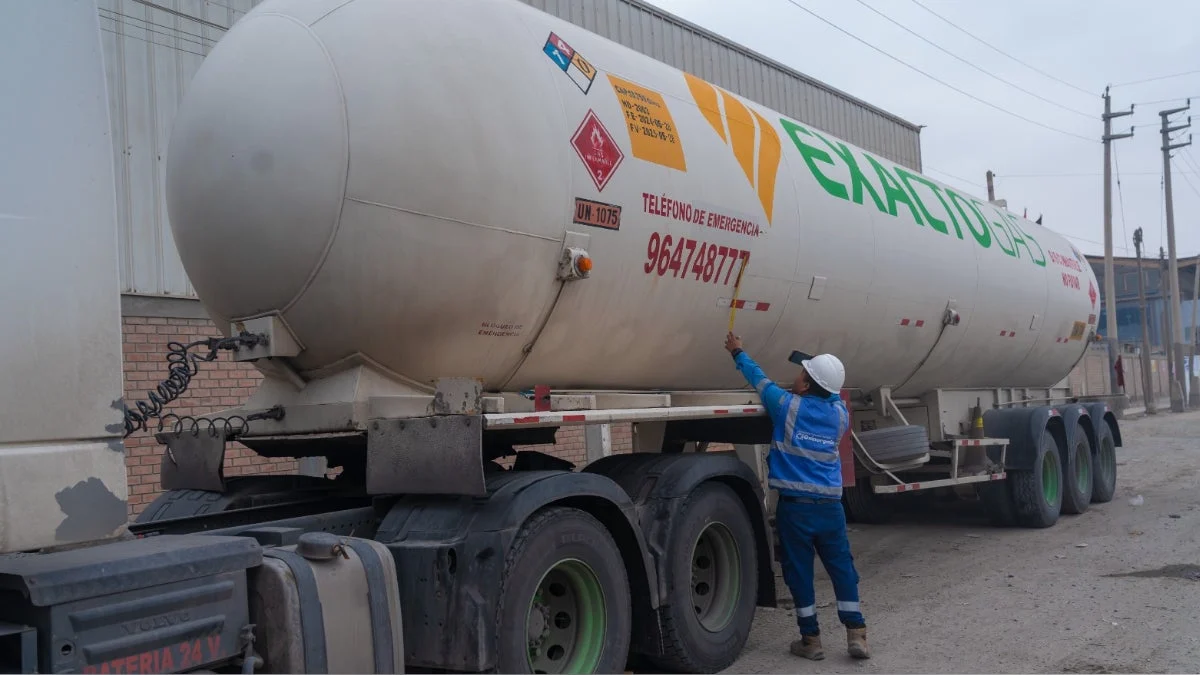
In a decisive move to avert a full-scale energy shortage, the Supervisory Agency for Investment in Energy and Mining (Osinergmin) of Peru has introduced a series of temporary, flexible regulatory measures aimed at stabilizing the supply chain of Liquefied Petroleum Gas (LPG) in the country’s southern corridor. The regions of Cusco, Puno, Arequipa, Moquegua, and Tacna have been designated as high-priority zones following the Peruvian government’s declaration of a 30-day state of emergency regarding fuel distribution.
The directive, which relaxes strict logistical and import requirements, is a direct response to the crippling effects of severe weather conditions. Persistent heavy rains have caused widespread damage to critical highway infrastructure, effectively severing the logistical arteries that connect the primary supply hubs of Pisco and Callao to the southern provinces.
The Genesis of the Crisis: A Chronology of Disruption
The current crisis did not emerge overnight. It is the culmination of weeks of adverse climatic events that have challenged the resilience of Peru’s national fuel distribution network.
- Early August: Intense seasonal rains begin to batter the central and southern Andean regions, leading to initial reports of landslides and road blockages along the Pan-American Highway and secondary routes connecting coastal refineries to the interior.
- Mid-August: As logistics companies face increasing delays, local distributors in Arequipa and Cusco report a significant drop in inventory levels. Retail stations begin to see long queues as citizens and commercial transporters rush to secure fuel before supplies run dry.
- August 21: Recognizing the gravity of the situation, the Ministry of Energy and Mines (MINEM) formally declares a 30-day state of emergency for the supply of LPG in the southern regions. This administrative act provides the legal framework for Osinergmin to suspend certain standard regulatory barriers.
- August 22: Osinergmin publishes an official statement detailing the "exceptional and temporary" measures designed to bypass the logistical bottlenecks caused by road infrastructure damage and limited storage capacity at regional plants.
Breaking the Logistical Bottleneck: Key Regulatory Adjustments
Osinergmin’s strategy focuses on three core pillars: expanding transportation capacity, easing import restrictions, and maintaining safety protocols while streamlining administrative oversight.
1. Optimization of the Transportation Fleet
Historically, the transport of hydrocarbons is governed by rigid registration requirements where specific cisterns must be tied to specific operators under the Hydrocarbons Registry. Under the new decree, these barriers have been lowered:
- Cross-Utilization: Operators are now permitted to use any tractive units and cisterns already inscribed in their various registry files across the entire southern corridor, regardless of their original specific assignment.
- Multi-purpose Usage: Camiones cisterna (tanker trucks) currently dedicated to bulk distribution are now authorized to function as long-haul transport vehicles to ensure that the available fleet is operating at maximum capacity to bridge the supply gap.
2. Streamlining International Supply Chains
Recognizing that local stocks are insufficient to meet the demand due to the disruption of domestic supply lines, Osinergmin has opened the door for foreign assistance:
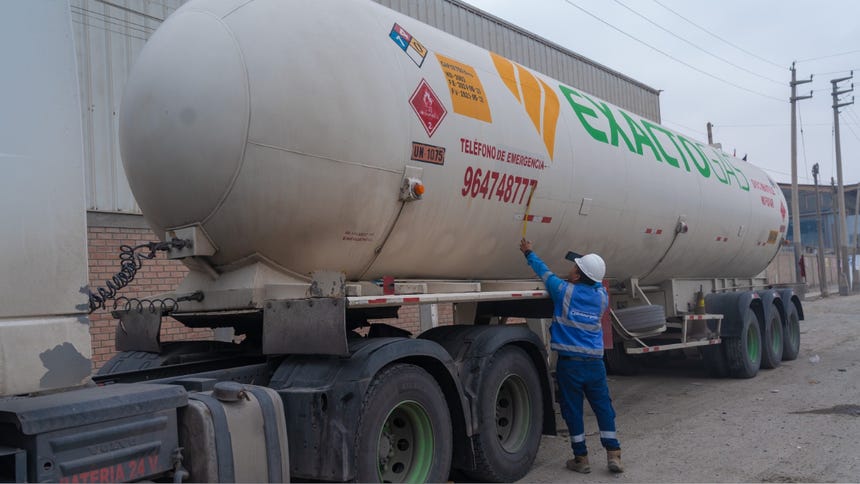
- International Fleet Integration: For the duration of the emergency, transportation units with foreign license plates—essential for moving imported LPG—are exempt from the standard, often lengthy, registration process in the national Hydrocarbons Registry. Operators need only provide proof of insurance and prior notification to Osinergmin to begin operations.
- Import Flexibility: Envasadoras (bottling plants) that were previously restricted by their licensing can now import LPG directly to meet the needs of the five affected regions without having to apply for the burdensome, separate certification of "LPG Importer with Storage."
Supporting Data and the Economic Impact
The urgency of these measures is underscored by the economic footprint of the southern region. Arequipa, as the primary industrial hub of the south, acts as a barometer for regional economic health. Reports from local transportation unions and retail associations indicated that, prior to the government’s intervention, some service stations had been experiencing total desabastecimiento (total depletion of stock) for upwards of 48 to 72 hours.
For many small-business owners, particularly in the taxi and public transportation sectors, LPG is not a luxury but a fundamental operational cost. The scarcity of fuel led to immediate inflationary pressure on transport fares and a slowdown in logistics, threatening the supply of food and consumer goods across the southern highlands. By facilitating a more fluid movement of fuel, the government aims to prevent a secondary economic crisis fueled by energy-starvation.
Official Responses and Administrative Oversight
The Ministry of Energy and Mines (MINEM) has reiterated that while the situation is critical, the "state of emergency" does not mean a "state of lawlessness." Osinergmin has been clear in its messaging: administrative flexibility does not equate to the removal of safety requirements.
"Safety remains our absolute priority," stated an Osinergmin spokesperson during the announcement. "The companies and operators who avail themselves of these temporary measures are still legally obligated to adhere to all technical and safety standards required for the handling, transport, and commercialization of hydrocarbons."
The agency emphasized that all operators must maintain valid, comprehensive insurance policies. Failure to comply with these safety standards will result in immediate revocation of the temporary authorization, as the risks associated with the improper transport of liquefied gas are too high to ignore, even in a crisis.
Implications for the Future: Building Resilience
The current crisis highlights the structural vulnerability of Peru’s energy distribution, which is heavily reliant on a few key terrestrial routes. The reliance on road transport, which is susceptible to both climate change and social unrest, has become a central talking point for energy experts.
Implications for Regulatory Policy
This event marks a shift in how Osinergmin handles "black swan" events. By creating a pre-authorized framework for emergencies, the government is signaling a move toward more agile governance. The ability to temporarily suspend bureaucratic hurdles is a significant departure from the traditionally rigid, document-heavy regulatory environment in Peru.
Long-term Infrastructure Needs
The persistent damage to roads in the southern corridor suggests that, moving forward, the government must prioritize:
- Increased Regional Storage: Expanding local storage capacities in Puno and Tacna to act as a buffer against supply chain disruptions.
- Infrastructure Hardening: Investing in road networks that are resilient to the increasingly heavy rainfall patterns associated with the changing climate in the Andes.
- Multimodal Distribution: Diversifying the means of fuel transport to include more rail and pipeline options, reducing the dependency on the highway system.
Conclusion: A Temporary Bridge to Normalcy
The measures adopted by Osinergmin are designed to serve as a bridge—a temporary, targeted solution to an acute crisis. They provide the necessary logistical oxygen to keep the southern economy breathing while the damage to the road network is repaired.
As the 30-day clock ticks, the success of these measures will be measured by the stabilization of fuel prices and the return of consistent supply to local stations. Once the state of emergency is lifted, the regulatory framework will revert to its standard, more stringent state. However, the lessons learned during this period—specifically regarding the effectiveness of cross-registration and the benefits of streamlined import processes—will likely inform future debates on how to modernize and harden Peru’s energy infrastructure against the inevitabilities of a changing climate.
For now, the focus remains on the "last mile" delivery of fuel, ensuring that the critical sectors of the economy—healthcare, transportation, and public services—remain functional in the face of nature’s significant challenges. Through this coordinated, emergency-driven approach, the government seeks to restore confidence among consumers and businesses alike, signaling that despite the obstacles, the flow of energy to the southern provinces will be maintained.