The Olmos Project, an emblem of engineering prowess in northern Peru, has entered a pivotal new chapter. With the formal backing of the Regional Government of Lambayeque and the technical stewardship of the Special Project Olmos-Tinajones (PEOT), the initiative is undergoing a massive transformation designed to secure water resources for the next half-century. This development, spearheaded by ProInversión, marks a significant commitment to sustainable agricultural growth and regional economic stability.
Main Facts: The Scope of the Second Phase
At the heart of this expansion is the ambitious goal to modernize and scale the hydraulic infrastructure that serves as the lifeblood of the Lambayeque region. The project’s second phase is not merely maintenance; it is a profound engineering overhaul.
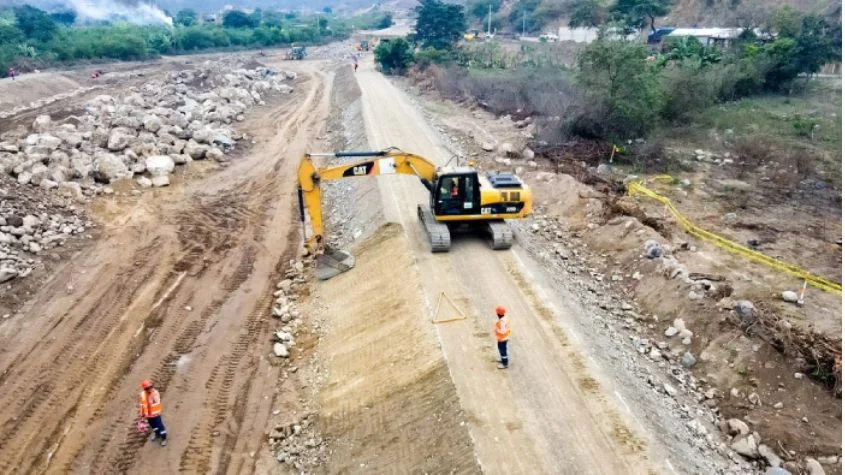
The most critical component of this phase is the recrecimiento (raising) of the Limón Dam. Currently standing at 43 meters, the structure is slated for a monumental increase in height, reaching 85 meters. This structural upgrade will drastically enhance the reservoir’s capacity, allowing for more efficient water storage and management, particularly during seasonal fluctuations.
ProInversión has initiated the formal call for bids, inviting private sector expertise to collaborate on two primary objectives:
- Long-term Operations and Maintenance (O&M): Establishing a robust framework to ensure the entire hydraulic system remains at peak operational efficiency for the next 50 years.
- Infrastructure Expansion: The physical execution of the Limón Dam elevation and associated works, requiring advanced hydrological engineering and seismic-resistant design.
Chronology of the Olmos Development
The journey of the Olmos Project is a multi-generational narrative of perseverance.

- Early Conceptualization (Mid-20th Century): The initial vision to divert water from the Huancabamba River through the Andes to the arid plains of Olmos was proposed decades ago as a solution to desertification.
- The Tunnel Breakthrough (2011): The completion of the Trans-Andean Tunnel marked a historic milestone, successfully transferring water from the Atlantic basin to the Pacific side, effectively "opening" the desert.
- Initial Operational Phase (2014): Irrigation of the first land plots began, transforming thousands of hectares of dry land into high-yield agricultural hubs.
- July 2026: ProInversión issues the official call for the second phase, signaling the transition from initial implementation to long-term modernization.
- Recent Inspections (Present): Technical teams from China International Water & Electric Corp. Peru and the Peruvian firm Sinersa conducted on-site evaluations to assess the structural integrity of the existing systems, providing a baseline for the upcoming expansion.
Supporting Data: Infrastructure and Technical Readiness
The recent technical audit conducted by a joint delegation of experts from China and Peru highlighted the exceptional state of the existing infrastructure. By inspecting the spillways, temporary intake structures, and the access galleries of the Trans-Andean Tunnel, the engineers confirmed that the current systems are performing well within safety margins.
Technical Specifications and Projections:
- Dam Elevation: 43m to 85m (a 97% increase in structural height).
- Operational Horizon: 50 years of guaranteed service.
- Scope of Inspection: The delegation reviewed the integrity of the spillway (critical for flood control) and the tunnel access points, which remain the "arteries" of the entire project.
The collaboration between international firms and local experts underscores the necessity of combining global best practices with local knowledge of the Andean geography. The technical consensus is that the system’s current "healthy" status provides a stable foundation upon which the more complex structural additions can be built.
Official Responses and Strategic Collaboration
The Regional Government of Lambayeque, working in tandem with the PEOT, has emphasized that this project is a national priority. The involvement of ProInversión as the investment promotion agency is a clear signal that the project is being managed with transparency and a focus on high-level private participation.
"The success of this phase is contingent upon the synergy between technical expertise and rigorous project management," noted a spokesperson close to the oversight committee. By bringing in international contractors, the government aims to leverage global technological advancements in dam construction to ensure the project meets the highest international safety and environmental standards.

The joint inspections were not merely symbolic; they served as a "due diligence" exercise for potential investors. The positive reception of these findings by the participating companies suggests a high level of confidence in the project’s viability and the strength of the existing hydraulic assets.
Implications: A New Era for Lambayeque
The expansion of the Olmos Project carries profound implications for Peru’s economic landscape:
1. Agricultural Transformation
The increased storage capacity will allow for a more consistent water supply, mitigating the impact of climate variability. This translates into greater security for agro-export companies and small-scale farmers alike, who rely on the predictability of the Olmos irrigation system to plan their crop cycles.
2. Economic Stability and Employment
By ensuring the system’s operation for the next half-century, the project effectively locks in long-term employment opportunities. The construction phase alone will generate thousands of direct and indirect jobs, while the sustained agricultural output will bolster regional tax revenues and export earnings.
3. Engineering as a Catalyst for Growth
The project serves as a model for how large-scale infrastructure can redefine a region’s geography. By moving from a "build-it-once" mindset to a "sustain-it-for-generations" approach, Peru is positioning itself as a leader in hydraulic engineering in South America.

4. Climate Change Resilience
The ability to manage larger volumes of water is essential in an era of unpredictable weather patterns. The Limón Dam expansion is a strategic defensive measure against both drought and extreme rainfall, providing the region with the flexibility to store excess water during "El Niño" events and distribute it during lean periods.
Challenges and Future Outlook
While the project is on track, the path forward involves navigating complex logistics. The elevation of a dam of this scale while maintaining existing operations requires a surgical level of coordination. Environmental monitoring will also play a crucial role as the project enters the implementation phase, ensuring that the local ecosystem remains protected despite the increase in reservoir capacity.
Furthermore, the integration of new technologies for remote monitoring of the dam’s stability will likely become a standard feature of this 50-year maintenance plan. As ProInversión moves toward the final selection of the concessionaire, the industry is watching closely. The successful bidder will not only be responsible for the physical structure but will also act as a custodian of one of Peru’s most vital national resources.
In conclusion, the second phase of the Olmos Project represents a mature, forward-thinking approach to resource management. By investing in the longevity of the Limón Dam and the surrounding infrastructure, the Regional Government of Lambayeque is ensuring that the desert remains a place of production rather than a place of scarcity. As the technical inspections conclude and the bidding process advances, the project stands as a testament to the power of public-private partnerships in driving national progress.
The next few months will be critical as the final contractual agreements are settled, but the vision is clear: Olmos is prepared to feed the nation and the world for decades to come.