A catastrophic landslide at an open-pit gold mine in southwestern Colombia has resulted in a grim toll of at least 13 fatalities and seven injuries. The incident, which occurred in a region plagued by illegal mining and armed conflict, has once again cast a harsh spotlight on the dangerous realities of illicit resource extraction in the country.
The disaster unfolded on Thursday in a rural area of the municipality of Policarpa, located within the department of Nariño. This region has long been a hotspot for illegal mining activities, often operating under the shadow of powerful, illicit armed groups vying for territorial control amidst Colombia’s protracted internal armed conflict, a conflict that has tragically claimed approximately half a million lives over more than six decades.
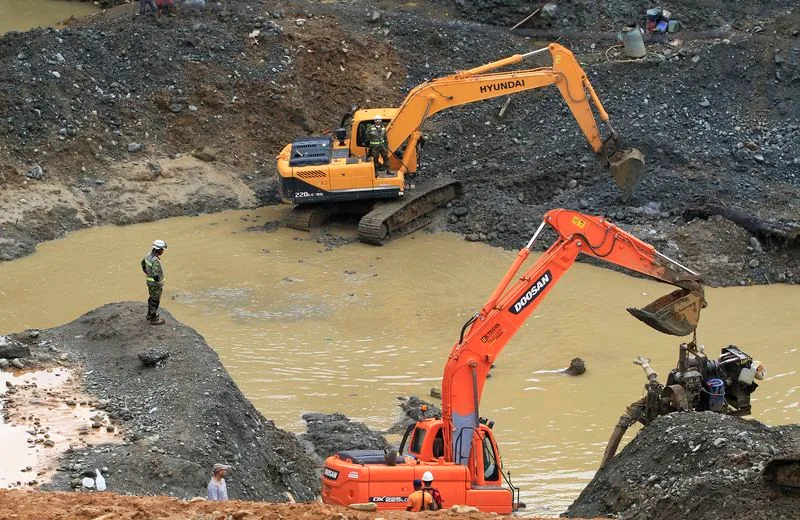
The victims were reportedly pulled from the debris by local residents and rescue workers, who utilized heavy machinery, including excavators, in a desperate effort to reach those trapped. The Nariño department’s Office of Disaster Risk Management confirmed the grim casualty figures.
The Grim Reality of Illegal Mining in Nariño
The department of Nariño, situated on Colombia’s Pacific coast, is a region of immense natural beauty but also profound socio-economic challenges. Its rugged terrain and remote areas have historically made it a fertile ground for illegal activities, including drug trafficking and illicit mining. Gold, in particular, has become a highly sought-after commodity, driving a dangerous and often unregulated extraction industry.
Illegal gold mining in Colombia is not merely a matter of environmental degradation and unsafe working conditions; it is deeply intertwined with the country’s ongoing security challenges. According to security sources, the illicit extraction of gold, alongside drug trafficking, represents one of the primary financial engines for illegal armed groups. These groups, which include remnants of leftist guerrillas and notorious criminal gangs, rely on the revenue generated from these activities to sustain their operations, fuel their conflicts, and exert their influence over vulnerable communities.
The open-pit mining method, as seen in the Policarpa incident, is particularly perilous. It involves the removal of large quantities of earth and rock to access gold deposits. Without proper engineering, safety protocols, or geological assessments, these operations are inherently unstable. The steep, man-made slopes are susceptible to collapse, especially in regions that may experience heavy rainfall or seismic activity, turning a pursuit of wealth into a deadly gamble.

A Chronology of Disaster: From Operation to Catastrophe
While specific details regarding the exact timeline of the landslide are still emerging, the incident is understood to have occurred during active mining operations. The collapsed talud, or slope, likely gave way suddenly, burying miners who were working either on the surface or within shallow excavations.
Early Reports and Rescue Efforts:
Initial reports of the collapse would have quickly reached local authorities and emergency services. Given the remote location, the mobilization of rescue teams and equipment would have been a critical factor in the response. The involvement of local residents, often the first responders in such isolated incidents, underscores the community’s direct connection to and stake in these mining ventures, whether legal or illegal. The use of retroexcavators highlights the scale of the landslide and the challenge of extricating victims from compacted earth and debris.
Confirmation of Casualties:
As rescue efforts progressed, the tragic extent of the disaster began to become clear. The Office of Disaster Risk Management in Nariño played a crucial role in coordinating the response and disseminating verified information, a vital task in situations where unofficial reports can quickly spread misinformation. The confirmation of 13 deaths and seven injuries paints a grim picture of the human cost of this illegal operation.
Ongoing Investigations:
Authorities are expected to launch investigations into the incident. These investigations will likely focus on identifying the operators of the illegal mine, determining the circumstances that led to the collapse, and assessing any potential involvement of armed groups in financing or controlling the operation. However, the clandestine nature of illegal mining often makes such investigations exceptionally challenging.
Supporting Data: The Scope of Illegal Mining in Colombia
The Policarpa landslide is not an isolated event, but rather a symptom of a much larger and deeply entrenched problem. The scale of illegal mining in Colombia is staggering, with significant environmental, social, and economic consequences.
- Economic Significance: While precise figures are difficult to ascertain due to the illicit nature of the trade, illegal gold mining is estimated to be a multi-billion dollar industry in Colombia. It is a significant source of income for many communities, particularly in remote areas where formal employment opportunities are scarce. However, this economic activity is almost entirely unregulated and untaxed.
- Environmental Devastation: Illegal mining operations, especially those employing mercury amalgamation for gold extraction, wreak havoc on the environment. Mercury contaminates rivers, soil, and air, posing severe health risks to both human populations and ecosystems. Deforestation, soil erosion, and alteration of watercourses are also common byproducts of these unregulated activities.
- Link to Organized Crime: As highlighted by security forces, illegal gold mining is a crucial funding stream for a variety of illegal armed groups. This includes the National Liberation Army (ELN), remnants of the FARC dissidents, and various criminal organizations. The control of lucrative mining territories often fuels territorial disputes and violent clashes between these groups, further destabilizing regions like Nariño.
- Vulnerability of Workers: Miners engaged in illegal operations often work in extremely dangerous conditions, with little to no safety equipment or training. They are frequently exposed to the risks of mine collapses, toxic substances, and violence from armed groups. Many are trapped in cycles of debt and exploitation, with little recourse for their own safety or well-being.
- Regional Impact: Nariño, along with other departments like Antioquia, Bolívar, Chocó, and Cauca, are particularly affected by illegal mining. These regions often share common challenges of poverty, limited state presence, and the pervasive influence of armed groups.
Official Responses and Challenges
The Colombian government has, in principle, recognized the severe threat posed by illegal mining and has made efforts to combat it. However, the scale of the problem, coupled with the complex socio-political landscape, presents formidable challenges.

Government Statements:
Following the Policarpa incident, government officials are expected to issue statements condemning the tragedy and reiterating their commitment to combating illegal mining. These statements often emphasize the need for increased security presence, alternative development programs for affected communities, and the dismantling of illegal mining networks.
Challenges to Enforcement:
- Vast and Remote Territories: Colombia’s vast and often inaccessible terrain makes it incredibly difficult for state forces to monitor and control all illegal mining activities.
- Corruption: Allegations of corruption within local and regional administrations can hinder effective enforcement efforts, with some officials reportedly complicit in or turning a blind eye to illegal operations.
- Funding for Armed Groups: The significant revenue generated by illegal mining provides armed groups with the resources to resist state control and engage in violence, creating a dangerous feedback loop.
- Lack of Alternatives: In many impoverished rural communities, illegal mining is perceived as one of the few viable economic options. Without sustainable and attractive alternatives, the allure of quick, albeit dangerous, profits remains strong.
- Focus on Narcotrafficking: Historically, the fight against illicit economies in Colombia has often prioritized drug trafficking. While important, this focus can sometimes divert resources and attention from the equally destructive impact of illegal mining.
Inter-Agency Cooperation:
Effective strategies to combat illegal mining require robust inter-agency cooperation between the military, police, environmental authorities, and judicial bodies. Furthermore, collaboration with international partners, particularly in areas of intelligence sharing and technical assistance, can be crucial.
Broader Implications: A Cycle of Violence and Exploitation
The landslide at the Policarpa mine serves as a stark reminder of the interconnectedness of illegal mining, environmental degradation, and armed conflict in Colombia. The implications of this tragedy extend far beyond the immediate loss of life.
- Humanitarian Crisis: Each death and injury represents a profound human tragedy for families and communities. The emotional and psychological toll on survivors and those affected by the disaster is immense.
- Reinforcement of Armed Group Control: The continued existence and profitability of illegal mining operations empower armed groups, enabling them to maintain their presence, exert control over territories, and continue their violent activities. This perpetuates a cycle of insecurity and instability in regions like Nariño.
- Environmental Degradation: The methods employed in illegal gold mining, often unchecked and unregulated, lead to irreversible environmental damage, impacting biodiversity, water resources, and the long-term health of the land and its inhabitants.
- Undermining the Rule of Law: The prevalence of illegal mining signifies a breakdown in the rule of law and the state’s inability to effectively govern and protect its citizens and natural resources in certain areas.
- Need for Comprehensive Solutions: Addressing the root causes of illegal mining requires more than just enforcement. It necessitates comprehensive strategies that include sustainable economic alternatives for communities, robust environmental protection measures, and efforts to dismantle the criminal networks that finance and control these operations.
The tragedy in Policarpa is a call to action, demanding renewed attention and more effective, multifaceted approaches to dismantle the dangerous nexus of illegal mining and armed conflict that continues to plague Colombia. Without addressing these underlying issues, similar disasters are tragically likely to recur, leaving a trail of devastation and despair.