As climate experts and meteorological agencies point toward a potentially intense El Niño (FEN) event for the 2026-2027 season, Peruvian families are not waiting for the first rains to hit before taking action. A comprehensive study conducted by Worldpanel by Numerator reveals that the country’s consumer base is evolving, shifting from reactive spending to a proactive, highly calculated strategy designed to weather both the physical impacts of the phenomenon and the resulting economic pressures.
The findings, based on a survey of 1,238 households conducted between July 6 and July 19, 2026, paint a picture of a resilient yet cautious consumer. Rather than a blanket reduction in consumption, the data suggests a widespread shift in how that consumption occurs: prioritizing foresight, value-seeking, and logistical proximity.
Main Facts: The Anatomy of Consumer Preparedness
The core takeaway from the study is that the average Peruvian household is preparing for a "strategic adjustment" rather than a period of austerity. When asked how they would respond to the onset of a strong El Niño in their specific region, the results were definitive:
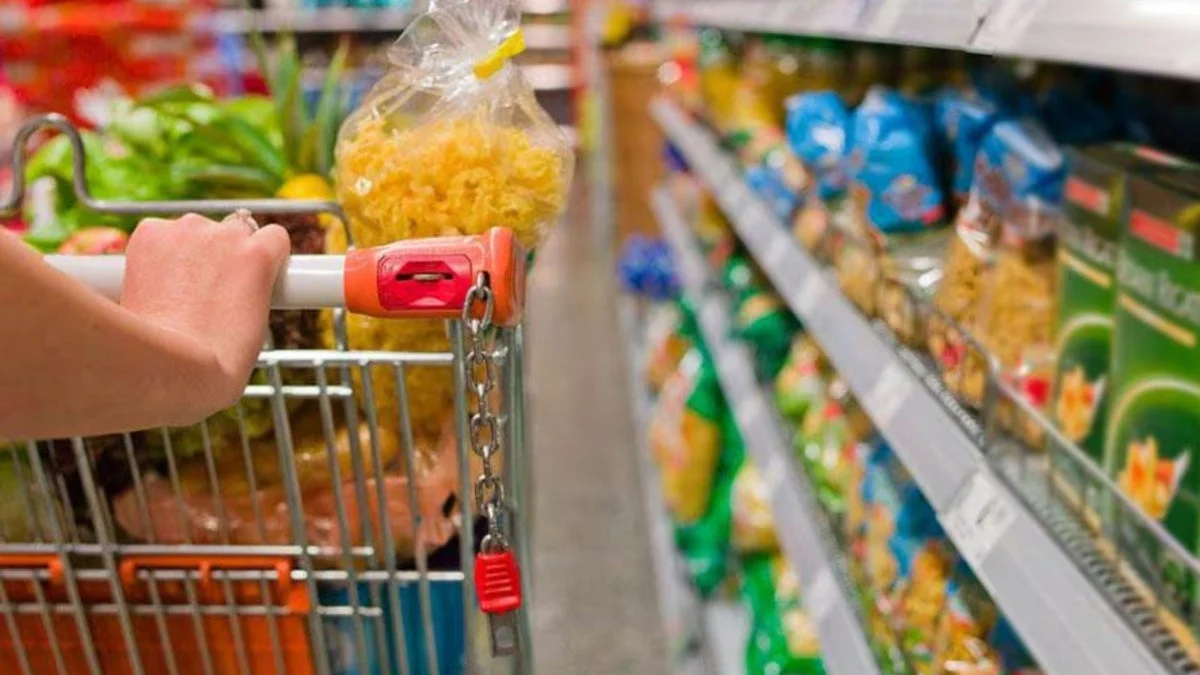
- The Stockpiling Strategy: Approximately 42.9% of households stated they would proactively stock up on essential products before the event reaches its peak.
- The Shift to Value: A significant 38% indicated they would trade down to more economical, private-label, or budget-friendly brands to protect their purchasing power.
- Proximity and Logistics: Roughly 28.2% of respondents plan to shift their purchasing habits toward local neighborhood shops, minimizing travel requirements during potential periods of infrastructure disruption or flooding.
These figures illustrate that the modern Peruvian consumer is prioritizing security and stability. The overarching sentiment is one of "strategic maintenance": families are determined to keep their quality of life intact by being more intelligent with their limited resources.
Chronology and Context: A History of Adaptation
To understand the current response, one must look at the historical trajectory of El Niño in Peru. Previous events, most notably in 2017 and 2023, served as a "crash course" in crisis management for millions of households.
- The 2017 Crisis: The 2017 El Niño left deep scars on the national infrastructure. The aftermath prompted a long-term shift in supply chain reliance, with many families losing access to larger retail centers, thereby boosting the importance of local "bodegas."
- The 2023 Experience: By 2023, the focus shifted toward inflationary pressures. Households learned to balance price-sensitivity with the necessity of emergency preparedness.
- The 2026-2027 Outlook: We are currently in a state of high readiness. Unlike previous cycles, the current preparation is data-driven. Consumers are now actively comparing formats (small vs. large) and tracking the "value for money" metric with greater scrutiny than ever before.
Supporting Data: Socioeconomic and Regional Divides
The study highlights that while the intent to prepare is national, the methodology is heavily dictated by socioeconomic status and geography.
Socioeconomic Stratification
The "pocketbook" remains the primary driver of strategy.
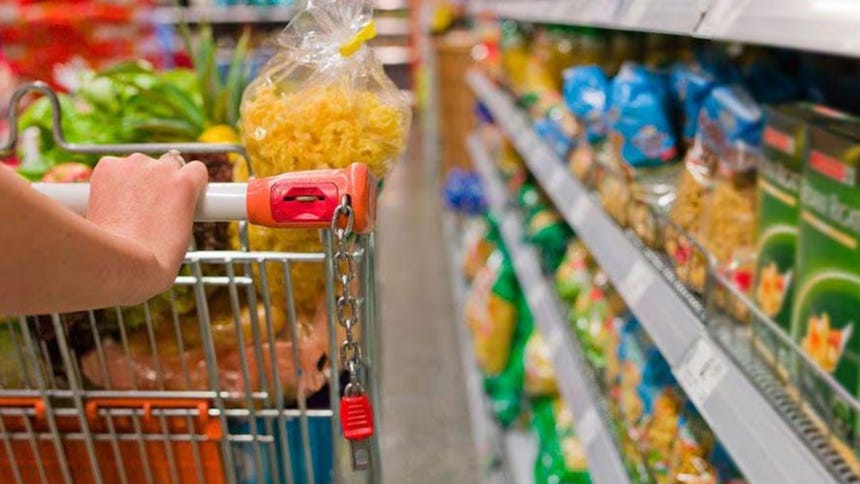
- Level A/B (High Income): These households lead the charge in proactive stockpiling (49.1%). Their strategy is to leverage their capital to secure bulk goods and capitalize on premium brand promotions.
- Level D/E (Low Income): For these families, the priority is survival and cost-mitigation. Roughly 41.8% plan to migrate to cheaper, generic, or economy brands. For them, "stocking up" is a secondary goal to "price reduction."
- Level C (Middle Class): These households occupy a hybrid space, balancing the desire to stock up (43.3%) with the necessity of choosing more economical brands (37.6%).
Regional Variations
Geography plays a defining role in how families perceive their risk.
- The Center and North: These regions, historically vulnerable to flooding, show the highest rates of planned stockpiling (53.5% and 48.4%, respectively).
- The Oriente (Amazonian Region): Here, logistical challenges are the priority, with 37.3% of households planning to shift to the nearest possible shops to ensure continuity of supply.
- The South: Interestingly, this region displays the highest percentage of consumers who believe they will not change their habits (15%), suggesting a higher perceived level of security or lower historical impact.
Financial Stability: A Changing Landscape
One of the most encouraging aspects of the report is the improved financial position of the average Peruvian household compared to previous El Niño events.
The percentage of households self-identifying as being in a "comfortable" financial position rose from 15% in 2023 to 24% in 2026. Conversely, those reporting significant financial hardship dropped from 37% to 30%. When combined with favorable macroeconomic indicators—including lower inflation rates and a more robust labor market compared to 2017—it is clear that the nation enters this meteorological challenge from a position of relative strength.
This does not imply that consumers will spend recklessly. On the contrary, the preference for "value for money" continues to grow. Small format packaging, which allows for smaller, more frequent, and more controlled cash outflows, has seen its share of the market grow from 37.1% to 38.4%. This is a deliberate choice: consumers are not necessarily buying less; they are buying in ways that protect their liquidity.
Implications: The New Consumer Behavior
The study concludes that the upcoming El Niño will not necessarily lead to a total collapse of consumer spending. Instead, it will trigger a permanent change in purchasing priorities.
The Rise of "Indulgence" Amidst Crisis
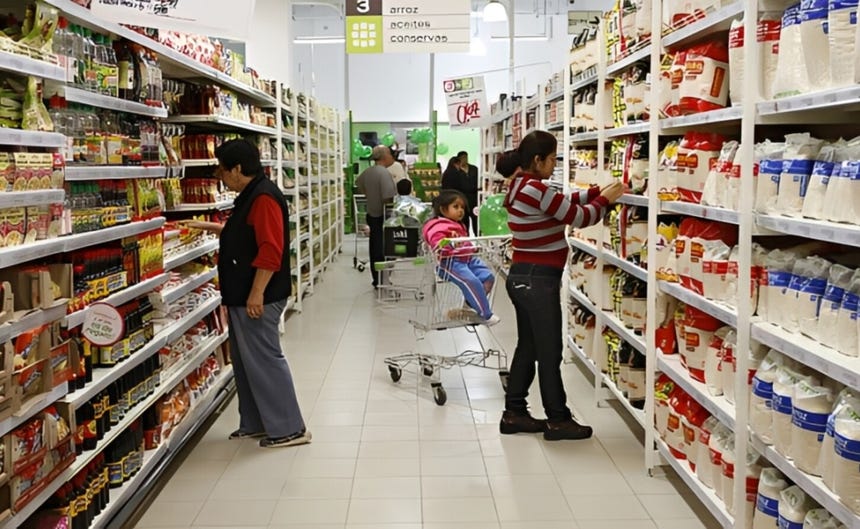
Surprisingly, the data shows that even in the face of environmental threats, consumers are refusing to sacrifice certain categories of goods. The "wellness and personal care" sector has seen a compound annual growth rate of 5.3%, significantly outpacing the 1.7% growth of essential goods.
This indicates that Peruvian households have redefined what they consider "essential." Snacks, specialized beverages, and beauty products are increasingly viewed as necessities for maintaining mental and physical health during stressful times.
Business and Retail Challenges
For retailers and manufacturers, the implication is clear: the one-size-fits-all approach is dead. Businesses must:
- Optimize Supply Chains: Ensure that distribution reaches neighborhood-level retailers, as consumers will be less likely to travel to hypermarkets.
- Product Formats: Prioritize a mix of small, affordable formats alongside bulk, "value-for-money" options to accommodate both the budget-conscious and the stockpilers.
- Communication: Brands that demonstrate empathy and offer clear, value-driven pricing will retain loyalty during periods of volatility.
Conclusion: A Resilient Future
The 2026-2027 El Niño will be a test of the Peruvian market’s maturity. The data suggests that the consumer is no longer a passive victim of environmental circumstances. Through careful planning, a shift toward value, and a nuanced understanding of their own financial limits, Peruvian families are transforming the way they interact with the economy.
The "preparedness" observed is not merely about buying extra cans of tuna or rice; it is about a sophisticated, adaptive, and largely optimistic approach to navigating uncertainty. As the nation prepares for the potential climatic shift, it does so with a clearer understanding of its own resilience—a trait that may prove to be its greatest asset in the years to come.