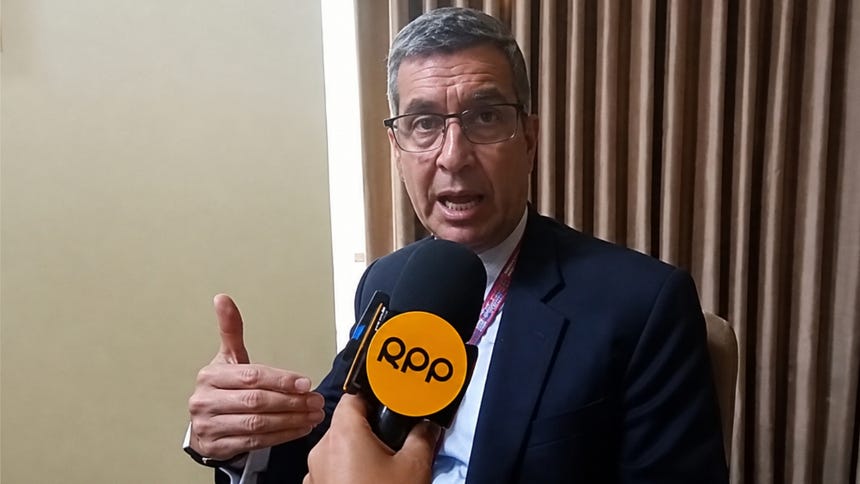
The Peruvian pension landscape is on the cusp of a significant transformation. As the nation grapples with the long-term sustainability of its retirement system, the Superintendency of Banking, Insurance, and Private Pension Fund Administrators (SBS) has unveiled a strategic framework designed to inject competition into the market and, crucially, lower the costs borne by millions of contributors. In a recent exclusive interview with RPP, the Superintendent of the SBS, Sergio Espinosa, detailed how the implementation of the new pension reform law (Law 32123) aims to streamline operations among financial conglomerates, potentially reducing the commissions currently paid by affiliates of Private Pension Funds (AFPs).
The Core Objective: Reducing Costs through Operational Synergy
At the heart of the proposed reform is the optimization of organizational structures within the large financial groups that dominate the Peruvian market. Currently, many of these entities operate as silos, with separate divisions for banking, insurance, and pension management. Under the new guidelines, the SBS is facilitating a environment where these groups can reorganize their business models to consolidate activities.
"The law allows for a more flexible and agile regulatory framework," Espinosa stated. "If a corporate group manages a bank, an insurance company, and an AFP, they now have the legal pathway to integrate certain back-office functions, shared services, or administrative overheads. By streamlining these operations, the goal is to capture efficiencies that can be passed directly to the affiliate in the form of reduced monthly commissions."
This is not a mandate, but a strategic opportunity. The SBS emphasizes that the decision to reorganize remains entirely voluntary. However, the regulatory environment has been specifically "re-calibrated" to ensure that such mergers of services can be implemented rapidly, while maintaining strict prudential supervision to protect the integrity of the funds.
Chronology of a Regulatory Shift
The movement toward this reform has been a multi-year process, characterized by the following key developments:
- Early 2025: Discussions regarding the sustainability of the Private Pension System (SPP) intensified, with policymakers highlighting the need for greater competition to combat rising management costs.
- Late 2025: The Peruvian Congress passed Law 32123, the landmark reform of the pension system, providing the legislative foundation for banks, insurers, and financial institutions to compete directly in the administration of pension funds.
- Early 2026: The SBS introduced a series of flexible regulations aimed at operationalizing the law, allowing financial institutions to diversify their service offerings.
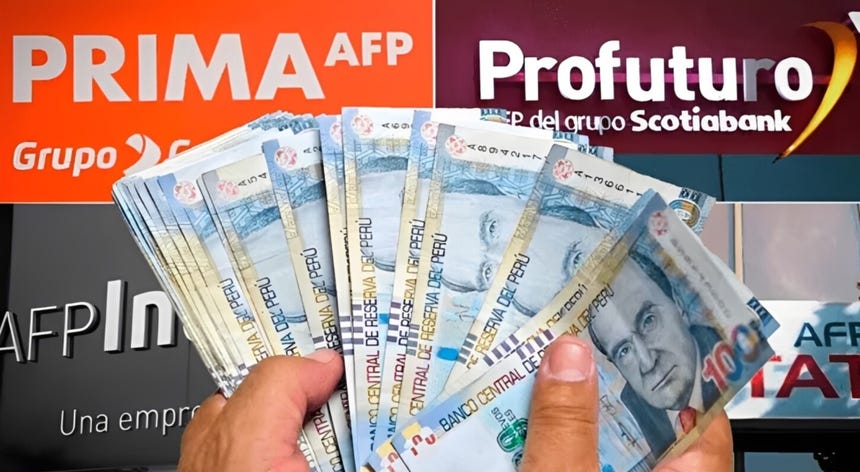
- Q1 2026: Official data indicated that the four existing AFPs (Integra, Prima, Profuturo, and Habitat) collected S/308.2 million in commissions, triggering public discourse on the profitability of these entities relative to the value provided to the average worker.
- August 2026: AFP Integra announced it would apply to expand its business license, becoming a pioneer in offering investment income products for retirees, signaling the first concrete step in the post-reform landscape.
Supporting Data: The Anatomy of Pension Commissions
The urgency of the reform is underscored by the financial performance of the four AFPs currently operating in Peru. During the first quarter of 2026, the sector’s financial health remained robust, even as the economic climate remained challenging.
According to SBS data, the aggregate commission revenue for the four AFPs reached S/308.2 million between January and March 2026. After accounting for all operational costs, personnel expenses, taxes, and administrative overheads, the industry recorded a net profit of S/131.2 million.
To put these figures into perspective, for every 10 soles paid by an affiliate in commissions, approximately 4.26 soles ended up as net profit for the administrator. While these figures reflect a highly profitable industry, they also provide a clear target for regulators seeking to incentivize cost-cutting. By encouraging these groups to share infrastructure—such as customer service networks or IT platforms between banks and AFPs—the SBS hopes to compress the operational expense ratio, thereby creating "breathing room" to lower commissions without threatening the financial viability of the providers.
Leading the Charge: The Case of AFP Integra
The implementation of the reform is best exemplified by the recent actions of AFP Integra. As a member of the SURA group, which operates across Latin America, Integra identified an opportunity to move beyond traditional pension management.
"Integra has decided to expand its license," explained Superintendent Espinosa. "They are moving toward providing investment income solutions for affiliates reaching the age of 65. This is a crucial evolution, as it allows the AFP to provide a more holistic financial service to the retiree, rather than just being a wealth accumulation vehicle during their working years."

While Integra is the first to publicly navigate this transition, the SBS is keeping the door open for other market participants. However, as of late August 2026, no other AFP had filed a similar request. The industry appears to be in a "wait-and-see" mode, evaluating the operational hurdles and the potential competitive advantages of integrating their pension operations with their existing banking or insurance arms.
Implications for the Peruvian Market
The implications of these regulatory changes are far-reaching, affecting both the industry players and the millions of Peruvian workers who rely on these funds for their future stability.
1. Increased Competitive Intensity
By allowing banks and insurance companies to enter the pension management space, the reform aims to break the oligopolistic nature of the current market. If a bank can leverage its existing branch network to manage pension funds at a lower marginal cost than a standalone AFP, it could force a sector-wide reduction in prices to maintain market share.
2. Enhanced Financial Integration
The current structure of the market is heavily tied to large financial groups. For instance, Prima AFP is tied to the Credicorp group (BCP), while Profuturo is linked to Scotiabank. The reform encourages these groups to stop viewing their pension units as isolated entities. If they choose to integrate, we could see a rise in "financial supermarkets" where a user’s bank account, life insurance, and pension fund are managed through a single, highly efficient interface.
3. Prudential Oversight
Despite the push for flexibility, the SBS remains vigilant. Superintendent Espinosa was clear that any reorganization must meet rigorous standards of prudential supervision. The goal is to lower costs for the affiliate, not to increase the risk exposure of the pension funds themselves. The regulatory "safety net" remains intact to ensure that fund assets remain segregated from banking or insurance liabilities.
4. The Future of the "Minimum Pension"
While the current focus is on commission reduction, the reform is also tied to broader initiatives, such as the implementation of a "minimum pension." The SBS is currently finalizing the regulations for this program, awaiting final validation from the Ministry of Economy and Finance. This suggests that the cost-saving measures discussed by Espinosa are not just about business efficiency; they are a prerequisite for the fiscal stability of the entire social security system.
Conclusion
The transformation of the Peruvian pension system is a calculated move to modernize a sector that has long been criticized for its high fees and perceived lack of competition. By empowering financial conglomerates to reorganize their internal structures and by inviting new players to compete for pension management, the SBS is attempting to bridge the gap between financial profitability and social responsibility.
As the industry observes the path taken by AFP Integra, the success of this reform will ultimately be measured by the bottom line of the average Peruvian worker. If the promised synergies are realized and if the competitive pressure forces a tangible decrease in commissions, the 2026 reform will be remembered as the moment the Peruvian pension system finally prioritized the long-term prosperity of its members over the traditional, high-cost administrative model. For now, the regulatory framework is set, the path is clear, and the ball is firmly in the court of the financial institutions to deliver on the promise of a more efficient future.