The landscape of healthcare infrastructure in the San Martín region is undergoing a significant transformation. As part of a broader commitment to closing the gap in essential public services, the Regional Government of San Martín has accelerated the construction of the new Health Center in the district of Habana, located in the province of Moyobamba. This project, representing a pivotal investment in the well-being of the local population, is currently advancing through its critical initial phases, promising to deliver a high-standard medical facility to a community that has long awaited improved diagnostic and emergency capabilities.
Main Facts: A Landmark Project for Moyobamba
With a total financial allocation exceeding S/ 4.9 million, the modernization of the Habana Health Center is designed to be a comprehensive response to the healthcare needs of 1,667 residents. The project is being spearheaded by the Regional Government of San Martín through its Gerencia Regional de Infraestructura (Regional Infrastructure Management), ensuring that the technical specifications meet the rigorous demands of modern medical practice.
Currently, the construction site reports an accumulated physical progress of 15.04%. While the percentage may seem modest, it represents the foundational heavy lifting—literally and figuratively—that will support the structure for decades to come. The scope of the project goes beyond a simple renovation; it involves a total overhaul of the facility’s capacity to handle everything from routine outpatient consultations to critical urgent care.
The new facility will feature specialized environments for:
- Outpatient Care: Including dedicated offices for General Medicine, Telemedicine, Psychology, Dentistry, and Obstetrics.
- Specialized Diagnostics: A fully equipped Pathology Clinical Unit, encompassing laboratories for Hematology, Biochemistry, and Microbiology, along with dedicated sample collection areas.
- Emergency Response: A robust Urgency and Emergency Unit, which will include a triage area, a nursing procedures room, and a dedicated observation suite to ensure timely care for patients in critical condition.
- Administrative Efficiency: Modernized admission, record-keeping, and SIS (Integrated Health Insurance) service areas to streamline the patient experience.
Chronology: From Planning to Execution
The journey to the current construction phase began with a detailed assessment of the existing limitations in the Habana district. Recognizing that the previous facility was insufficient to meet modern health standards, the regional authorities prioritized the Habana project as part of their 2026 infrastructure roadmap.

- Feasibility and Design (Pre-2026): The project underwent extensive planning to ensure that the architectural design could accommodate future technological upgrades, specifically in the realm of telemedicine—a vital tool for rural and semi-rural areas in the Amazonian region.
- Contracting and Mobilization: Following the approval of the budget, the tender process was concluded, and the construction consortium mobilized heavy machinery and specialized labor to the site in early 2026.
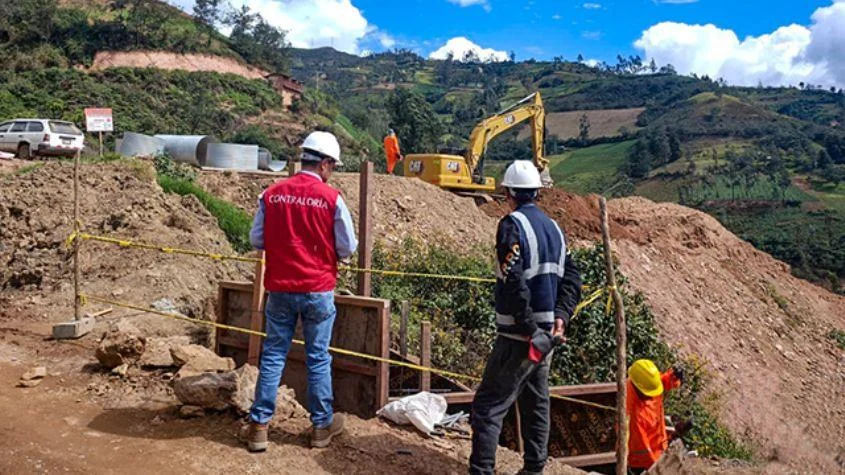
- Foundational Phase (Q3 2026): The current status reflects the completion of earthworks and the beginning of the structural skeleton. Recent activities have focused on deep excavations for the building’s foundations, the intricate placement of steel reinforcement for the footings (zapatas), and the vertical construction of support columns.
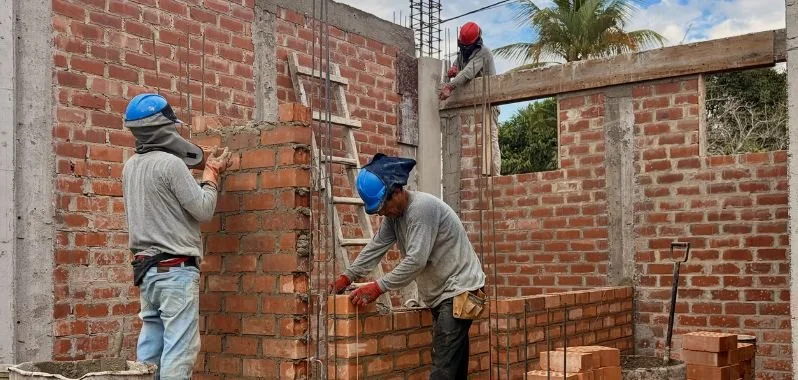
- Ongoing Development: As of August 2026, the construction team has transitioned into the finishing phases of the ground structure, including the initial stages of wall plastering (tarrajeo). The project is now entering a phase where the shape of the building will become clearly visible to the local community.
Supporting Data: Why This Investment Matters
The decision to allocate S/ 4.9 million to a community of 1,667 people underscores a shift in public policy toward "precision infrastructure." In many parts of the San Martín region, the distance to the nearest secondary-level hospital can be a significant barrier to health equity.
By integrating a Clinical Pathology Unit—complete with Hematology and Microbiology labs—directly into the Habana facility, the regional government is drastically reducing the "time-to-diagnosis." Previously, patients might have had to travel to Moyobamba or Tarapoto for routine testing. By centralizing these services, the new center will not only save time but also save lives, particularly in cases where early detection of infectious diseases or metabolic conditions is key to successful treatment.
Furthermore, the inclusion of a Telemedicine consult room is a strategic technological advancement. By leveraging satellite and fiber-optic connectivity, the Habana Health Center will serve as a hub where local general practitioners can consult with specialists in major cities, effectively bringing top-tier medical expertise to the doorstep of the district’s residents.
Official Perspectives and Regional Policy
The Regional Government of San Martín has emphasized that this project is not an isolated effort but part of a regional mandate to bridge the urban-rural divide in health access. Official statements from the Gerencia Regional de Infraestructura have highlighted the adherence to strict safety standards, ensuring that the new building is resilient to the seismic and climatic conditions of the San Martín region.
The project also aligns with the national government’s focus on the Seguro Integral de Salud (SIS). By creating dedicated spaces for SIS attention, the project aims to minimize the bureaucratic friction that often prevents low-income citizens from accessing the care they are entitled to. Regional planners have noted that the success of the Habana project will serve as a template for other similar district-level health facility upgrades across the San Martín province.

Implications for the Future
The modernization of the Habana Health Center carries profound implications for the local socioeconomic climate. Reliable healthcare is a cornerstone of economic development; a healthy workforce and healthy children are essential for the long-term prosperity of a district whose economy is often tied to agriculture and local commerce.
Impact on Local Healthcare Delivery
The transition from a basic health post to a facility with specialized diagnostic laboratories and emergency observation units marks a significant upgrade in the "level of resolution" of the facility. This means that fewer patients will need to be referred to higher-level hospitals for minor emergencies, effectively relieving the pressure on the overcrowded regional hospitals in Moyobamba.
Infrastructure as a Catalyst
The construction process itself has provided a temporary boost to the local economy, creating jobs for laborers and construction workers in the immediate vicinity. Once completed, the center will require a permanent staff of healthcare professionals, including nurses, technicians, and administrative personnel, contributing to the professionalization of the local labor market.
Sustainability and Resilience
Given the environmental context of the Amazon, the new facility is being built with high-quality materials designed to withstand high humidity and heavy rainfall. The inclusion of modern drainage and electrical systems ensures that the facility will remain operational even during the peak of the rainy season, a common challenge for legacy infrastructure in the region.
Conclusion: A Commitment to Public Health
The Habana Health Center project stands as a testament to the power of targeted public investment. While the physical structure is currently at 15.04% completion, the project has already succeeded in demonstrating the government’s commitment to the decentralization of quality healthcare.

As construction continues through the second half of 2026, the people of Habana remain hopeful. They are not merely awaiting a new building; they are awaiting a new standard of living—one where an emergency, a dental procedure, or a routine blood test no longer entails a long, arduous journey. With the continued diligent execution of the Regional Government and the ongoing oversight of the regional infrastructure authorities, the Habana Health Center is poised to become a beacon of health and development in the province of Moyobamba.
The path forward will require continued adherence to the construction schedule and the eventual procurement of high-tech medical equipment to fill the newly created spaces. If the current momentum is maintained, the facility will soon transition from a construction site into a functioning, vital organ of the community’s social fabric, proving that when the state invests in the periphery, it strengthens the entire nation.