Introduction: A Nation at an Energy Crossroads
Peru, a nation synonymous with mineral wealth and geological complexity, currently stands at a critical juncture regarding its energy security. While the country possesses vast, largely untapped natural resources, it faces a stark reality: its domestic oil production satisfies only a fraction of its total demand. As the global energy landscape undergoes a profound transition and the Peruvian mining sector eyes an ambitious pipeline of new projects, the necessity for a strategic overhaul of the nation’s hydrocarbon and energy policies has never been more urgent.
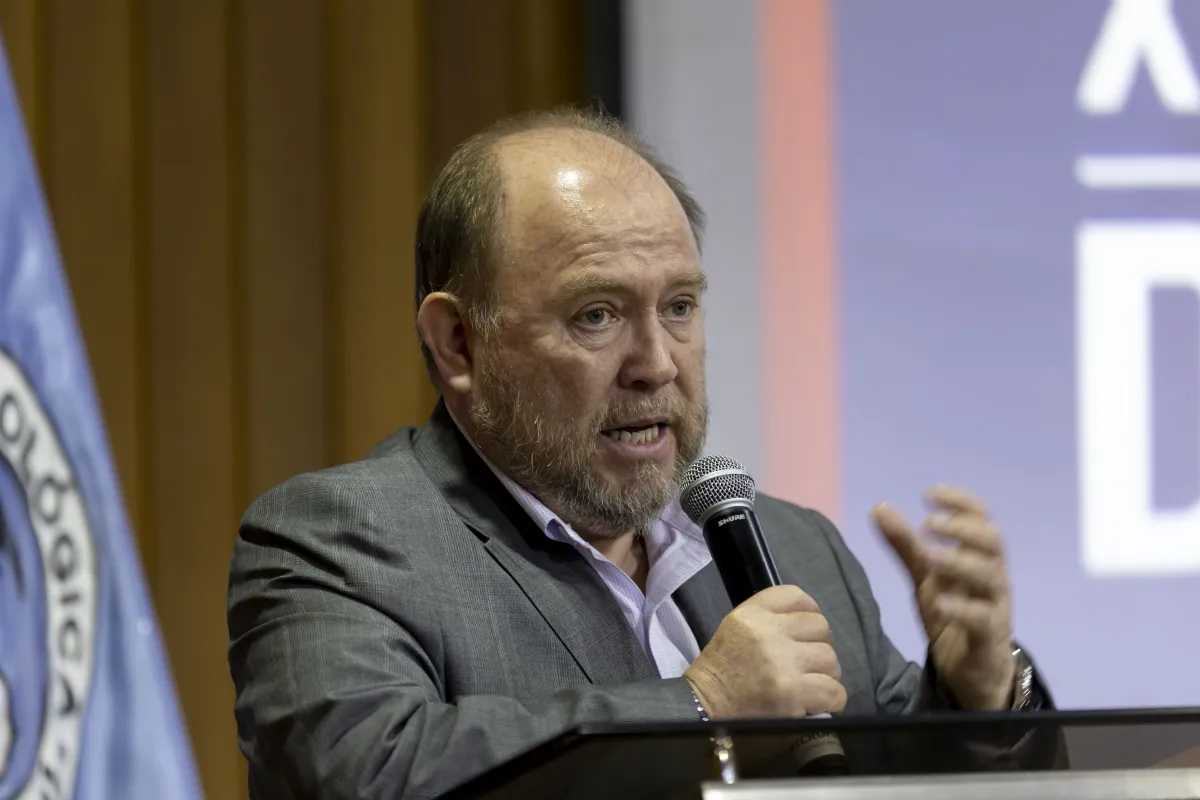
Carlos Bianchi, President of the Geological Society of Peru (SGP), has recently brought these challenges to the forefront, highlighting the yawning gap between production and consumption. His insights, provided ahead of the upcoming XXIII Peruvian Geological Congress 2026, serve as both a diagnostic report on the current energy deficit and a call to action for public and private stakeholders.
Main Facts: The Numbers Behind the Deficit
The statistics provided by the SGP paint a sobering picture of Peru’s current energy autonomy. According to Carlos Bianchi, Peru produces approximately 40,000 barrels of oil per day (bpd). However, the national demand stands significantly higher, at roughly 250,000 bpd. This leaves a staggering deficit of 210,000 barrels per day—a shortfall that must be consistently addressed through imports, exposing the nation to the volatility of global oil prices.
The Hidden Potential
Despite the current reliance on external supply, the geological reality of Peru suggests that this dependence is not a product of scarcity, but of underutilization. Peru hosts 18 sedimentary basins with proven or prospective hydrocarbon potential. Yet, the current industrial activity is concentrated in only five of these basins.
The lack of exploration in the remaining 13 basins represents a missed opportunity of significant proportions. If the country is to sustain its mining-led economic growth, it must address this energy imbalance, as the energy intensity of new mining projects will inevitably drive up demand for power, fuels, and derivatives.
Chronology of Exploration and Investment Trends
The path to reversing this trend is already showing signs of life, albeit at a measured pace. Industry observers have noted a shift in interest toward previously dormant or underdeveloped regions.

- Mid-2024 to 2025: Initial discussions and preliminary surveys began to signal renewed interest from mid-sized energy firms looking at the offshore and northern coastal regions of Peru.
- The Trujillo Basin Outlook: In a significant development, two major companies have committed to launching exploratory works in the Trujillo basin within the next 12 to 24 months. This marks a critical step in diversifying the country’s production geography.
- Tumbes Basin Interest: Similar optimism surrounds the Tumbes basin, where two distinct companies have confirmed their intent to allocate capital for exploration. These moves suggest that, with the right regulatory framework, the tide of private investment could turn back toward Peruvian soil.
- September 2026: The XXIII Peruvian Geological Congress is set to convene in Lima, serving as a catalyst for future policy, where these specific basin projects will likely be discussed alongside national energy strategy.
Supporting Data: The Gas Opportunity
While oil production faces challenges, the narrative surrounding natural gas is one of immense, unexploited wealth. Studies have indicated that Peru potentially holds up to 43 trillion cubic feet (TCF) of gas—a volume roughly four times the size of the iconic Camisea field.
However, the "resource curse" or "infrastructure bottleneck" remains the primary hurdle. Without the necessary midstream infrastructure—pipelines, processing plants, and export terminals—this gas remains trapped beneath the earth. Furthermore, the absence of a defined strategy to identify and secure international markets for this surplus gas prevents the sector from achieving its full economic potential.
As Bianchi emphasizes, the competitive nature of the global energy market cannot be ignored. Peru is not operating in a vacuum; it competes against regional neighbors that often offer more attractive tax regimes, streamlined permitting processes, and greater legal certainty. To convert these 43 TCF into national wealth, Peru must foster a more competitive environment for private capital.
Official Responses and Strategic Recommendations
The role of the Geological Society of Peru (SGP) is evolving from a strictly academic body to an essential advisor for state policy. Under the leadership of Carlos Bianchi, the SGP is positioning itself to bridge the gap between technical geological data and ministerial decision-making.
A New Roadmap for the State
The SGP is currently drafting a comprehensive roadmap aimed at several key government branches, including the Ministry of Energy and Mines, the Ministry of the Environment, the Ministry of Agriculture, and the Ministry of Culture. The objective is to integrate geological intelligence into the core of public administration.
"We must apply geology for the benefit of society," says Bianchi. This philosophy drives the agenda for the upcoming XXIII Peruvian Geological Congress (September 16–18, 2026). The event will not merely be a gathering of scientists; it will be a high-level forum where the private sector and government officials will debate the most pressing issues of the decade:

- Water Resource Management: Optimizing the use of water in arid regions for agriculture and mining.
- Geothermal Energy: Assessing the potential for clean, base-load power.
- Soil Evaluation: Mapping land use to support sustainable infrastructure.
- Energy Transition: Managing the shift from fossil fuels to renewables while maintaining industrial productivity.
- Climate and Seismic Risks: Leveraging the work of the Geophysical Institute of Peru (IGP) to improve urban planning and disaster mitigation.
Implications: The Macro-Geological Vision
The implications of these findings for the Peruvian economy are profound. If the government fails to incentivize exploration and address the infrastructure deficit, the country risks becoming increasingly vulnerable to global energy price shocks, which would directly impact the operational costs of its mining sector—the engine of the national economy.
The Inter-ministerial Approach
The SGP’s call for a multi-ministerial roadmap suggests a move toward "Geological Governance." For too long, mining and energy exploration have been siloed within the Ministry of Energy and Mines, often leading to friction with the Ministry of the Environment or the Ministry of Culture regarding social and environmental licensing. By providing a unified, scientifically backed roadmap, the SGP hopes to provide ministers with the tools to make evidence-based decisions that balance economic growth with environmental stewardship.
Seismic Safety and Public Welfare
Beyond energy, the SGP is doubling down on the importance of geological science for public safety. In a country prone to high-magnitude earthquakes, the integration of geological data into national infrastructure projects is a matter of life and death. By working alongside the IGP, the SGP aims to ensure that future urban expansion and industrial development are grounded in a deep understanding of soil mechanics and seismic risk, effectively turning geological science into a tool for national resilience.
Conclusion: Toward 2026 and Beyond
The upcoming XXIII Peruvian Geological Congress in 2026 will be a litmus test for the country’s energy future. As Carlos Bianchi and his colleagues prepare to present their findings, the message to the government is clear: the resources are there, the expertise is available, and the potential for growth is immense. However, without a synchronized effort to improve the investment climate and prioritize infrastructure development, Peru’s vast geological endowment will remain largely, and regrettably, untapped.
The transition toward a more energy-secure Peru will require a fundamental shift in how the nation views its geological assets—not as mere rocks in the ground, but as the foundational pillars of a modern, sustainable, and economically prosperous state. The road map to be drafted by the SGP will provide the coordinates; the question remains whether the political will exists to follow them.