Executive Summary: Bridging the Healthcare Gap in the Andes
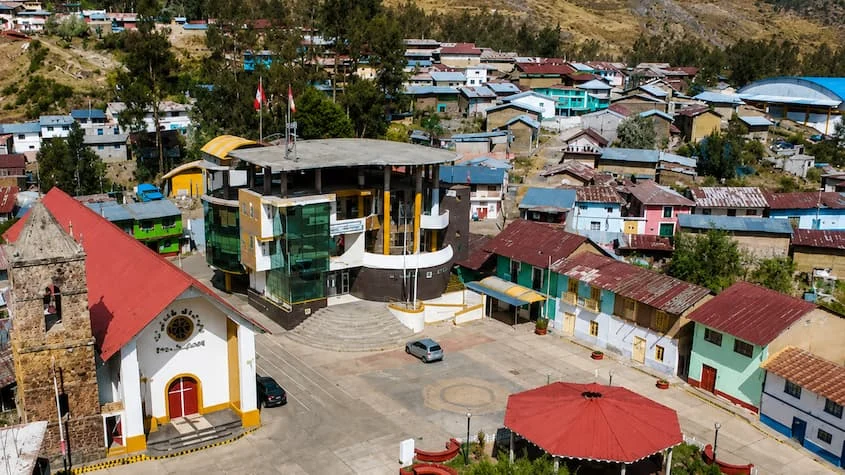
In a significant stride toward decentralized healthcare, the Regional Government of Apurímac has reported substantial progress on the construction of the Level I-I Health Establishment in the rural community of Choccecancha. Located in the San Jerónimo district, within the province of Andahuaylas, this critical infrastructure project represents a vital investment in the well-being of high-altitude Andean populations.
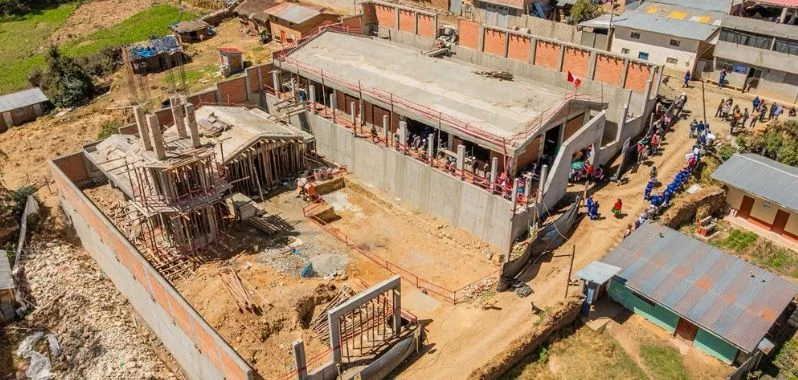
With over 60% of physical progress already documented, the facility is poised to become a cornerstone of local health services, replacing outdated or non-existent infrastructure with a modern, fully equipped center. The project, which demands an investment exceeding S/ 8 million, is not merely a construction endeavor; it is a strategic effort to ensure that the fundamental right to health is accessible to families living in the remote reaches of the Apurímac region.
The Chronology of Development
The trajectory of the Choccecancha project reflects a broader push by the regional administration to address the historical neglect of rural health facilities. While the project is currently in the final stages of structural completion, the journey to this point has been characterized by careful planning and community engagement.
- Project Inception and Design: Initial studies identified the urgent need for a facility that met modern safety and health standards. The classification as a Level I-I facility was chosen to address primary healthcare needs—preventative care, maternal health, and emergency triage—which are the most pressing requirements for the local demographic.
- Approval and Funding: The mobilization of over S/ 8 million in funds was facilitated through regional budget allocations, emphasizing the administration’s commitment to prioritizing social infrastructure.
- Execution Phase: Construction commenced with a focus on local labor utilization. Throughout the last several months, the project has maintained a steady pace, overcoming the logistical challenges inherent in working at high altitudes.
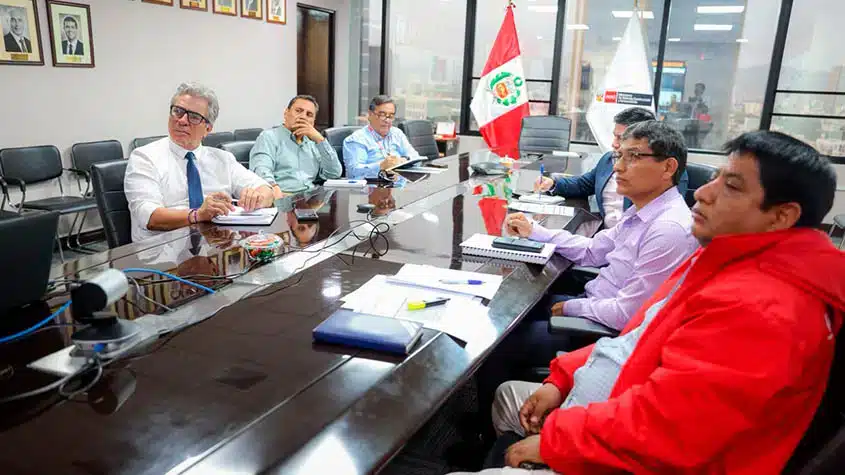
- The Inspection Milestone: The recent site visit led by Regional Governor Percy Godoy Medina served as both a quality control mechanism and a political commitment to the project’s completion. As the project crosses the 60% completion mark, focus shifts toward internal installation, medical equipment procurement, and final finishing.
Supporting Data: Why This Facility Matters
To understand the significance of this S/ 8 million investment, one must look at the demographics of the San Jerónimo district. Choccecancha, like many settlements in the Andahuaylas province, faces challenges related to geographical isolation and limited connectivity to larger urban centers.

Infrastructure Specifications
The facility is designed to meet the rigorous standards of the Peruvian Ministry of Health (MINSA). Key features include:
- Primary Care Units: Designed for outpatient consultations, allowing for the management of chronic conditions and common illnesses.
- Maternal and Neonatal Care: Given the geography of the region, the inclusion of a dedicated space for maternal health is a vital component in reducing neonatal mortality rates.
- Emergency Triage: Providing immediate stabilization for emergencies before patient transfer to larger regional hospitals in Andahuaylas.
- Modern Systems: Integration of sustainable water management and electricity, which are often the primary bottlenecks in rural medical facility operations.
Economic Impact
The construction phase itself has acted as a catalyst for the local economy. By prioritizing local hiring, the Regional Government has ensured that the capital investment circulates within the community. Furthermore, the completed center will create permanent, specialized employment opportunities for health professionals, nurses, and administrative staff, thereby fostering a small hub of professional activity in a previously underserved rural area.
Official Responses and Stakeholder Perspectives
The project’s success is attributed to the collaborative efforts between regional authorities and local stakeholders. During the recent inspection, the presence of various officials underscored the importance of the project.
The Governor’s Stance
Governor Percy Godoy Medina highlighted the administration’s "zero-tolerance" policy regarding stalled infrastructure. He emphasized that the Choccecancha health center is part of a larger, systemic overhaul of Apurímac’s medical network. "Our goal is to ensure that no mother or child in the most remote areas of our region has to travel hours for basic, high-quality medical attention," the Governor stated during the walkthrough.

The Role of the Sub-Region Chanka
The Gerencia de la Sub Región Chanka, represented by Caleb Pillaca Janampa, has played a pivotal role in the technical oversight of the project. Their involvement ensures that the architectural standards meet the strict guidelines required for medical licensing. The collaboration between the Sub-Region and local authorities has ensured that the specific cultural and geographical needs of the Choccecancha population were integrated into the final design.
The Broader Implications for Healthcare in Apurímac
The construction of this facility is not an isolated event; it is a manifestation of the "Andean Healthcare Model," which focuses on bringing services closer to the patient rather than forcing patients to migrate to urban hubs.
Reducing the "Health Gap"
Historically, the disparity between urban and rural health outcomes in Peru has been stark. The Choccecancha project addresses this by:
- Reducing Travel Time: For many, the existing travel time to the nearest health facility is a deterrent to seeking care until a condition becomes critical.
- Preventative Focus: By establishing a Level I-I presence, the government can conduct vaccination campaigns, prenatal check-ups, and wellness education more effectively.
- Emergency Preparedness: In the event of climate-related emergencies or natural disasters, a local, well-built health station acts as a safety anchor for the community.
Future-Proofing Local Communities
The inclusion of modern equipment suggests that the Regional Government is looking toward the future. By installing high-standard medical technology now, they are ensuring that the facility will not require extensive upgrades for at least the next decade, providing a stable foundation for the community’s growth.

Challenges and Future Outlook
Despite the positive progress, the project faces ongoing challenges. Supply chain logistics in the mountainous terrain of Apurímac require precise coordination. The regional government is tasked with ensuring that once the construction is finished, the facility is immediately staffed and stocked with medical supplies—a step where many similar projects in Peru have historically faltered.
The community of Choccecancha has expressed optimism, viewing the construction as a sign of progress and governmental attention. The active participation of community representatives during the site inspection indicates a strong sense of ownership and readiness to utilize the facility upon its inauguration.
Conclusion
The progress at the Choccecancha Health Center represents a triumph of regional administration in prioritizing social welfare through infrastructure. As the construction pushes past the 60% mark toward its final phases, the residents of San Jerónimo stand on the threshold of a new era of health security.
With an investment of over S/ 8 million, the Regional Government of Apurímac is setting a benchmark for how regional funds can be directed to create lasting, tangible change in the quality of life for rural citizens. The success of this project will likely serve as a model for future initiatives, proving that with dedicated leadership and effective resource management, the geographic barriers of the Andes can be overcome to ensure that health care is truly a right for all, regardless of location.