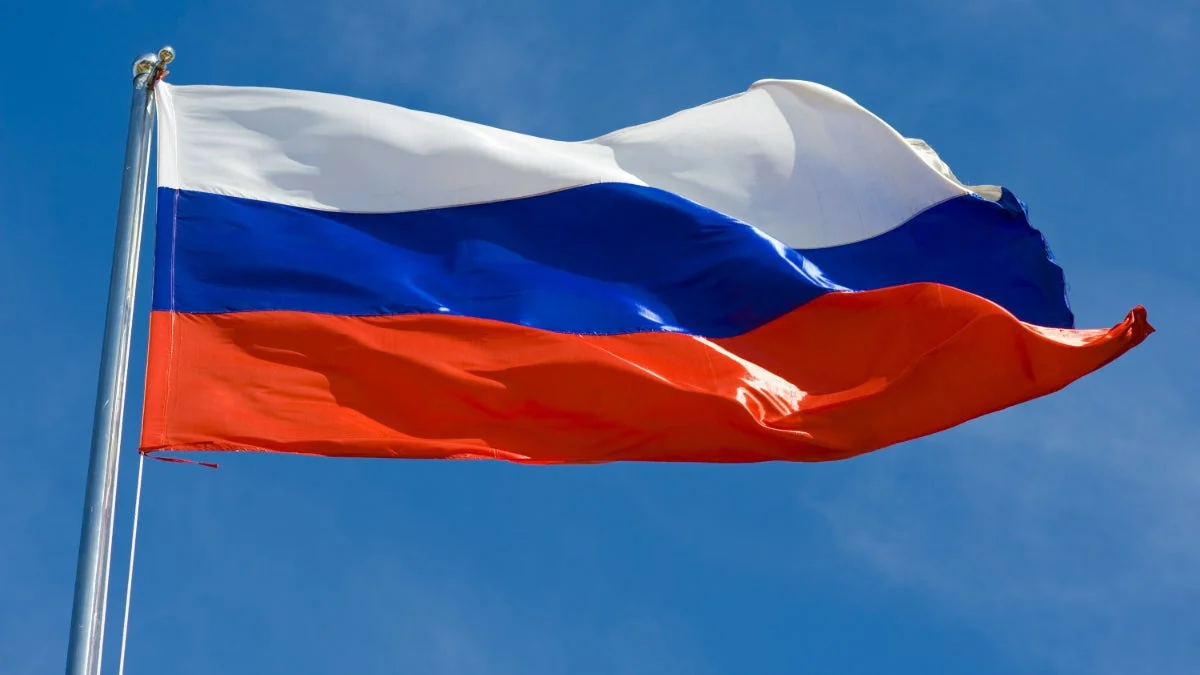
The diplomatic tension between Lima and Moscow has reached a critical juncture. Following reports of hundreds of Peruvian nationals embedded within the Russian military apparatus, the Russian diplomatic mission in Peru issued a definitive statement on August 15, 2024, rejecting claims of forced recruitment and asserting that all Peruvian citizens who signed contracts with the Russian Ministry of Defense did so with full awareness of the risks, obligations, and the nature of the "Special Military Operation."
This official stance from the Kremlin’s representatives in Lima stands in stark contrast to the growing alarm within the Peruvian government and the desperate pleas from families who claim their relatives were coerced, deceived, or trafficked into the conflict zone under false pretenses.
Main Facts: A Contested Narrative
The crux of the diplomatic friction lies in the interpretation of how these individuals arrived on the frontlines. While the Russian Embassy maintains that the enlistment process was transparent, voluntary, and legally binding, the Peruvian Ministry of Foreign Affairs (Torre Tagle) is grappling with a humanitarian crisis of significant proportions.
According to the Russian mission, any allegations of "unidentified subjects" deceiving Peruvian citizens are either unfounded or outside their direct knowledge. The Embassy insists that the contractual framework utilized by the Russian Ministry of Defense is standard and that participants were fully cognizant of the military service requirements. "All who signed these contracts were capable and conscious of the conditions and risks," the statement read, effectively shifting the burden of responsibility onto the individual recruits.
However, this narrative clashes with reports from the Peruvian government, which has documented numerous cases of citizens being lured to Russia with promises of civilian employment or high wages, only to be redirected toward military enlistment centers. The disconnect between these two versions of events has left hundreds of families in a state of limbo, searching for answers regarding the fate of their loved ones.
Chronology of the Crisis
The involvement of Peruvian nationals in the Russia-Ukraine war is not a sudden development, but rather the culmination of a systematic flow of foreign volunteers and contractors that began in early 2022.
- February 2022: The Russian invasion of Ukraine begins. In the months that follow, international recruitment efforts for various foreign legions and contracted military services gain momentum globally.
- Late 2023 – Early 2024: Reports begin to surface in the Peruvian press regarding young men from various regions of Peru who traveled to Russia, only to lose contact with their families shortly thereafter.
- August 9, 2024: The Peruvian Foreign Ministry successfully facilitates the repatriation of four citizens who managed to escape from what they described as forced recruitment conditions.
- August 10, 2024: A high-level meeting is held between the Russian diplomatic mission and Peruvian authorities to address the growing number of disappearances and casualties.
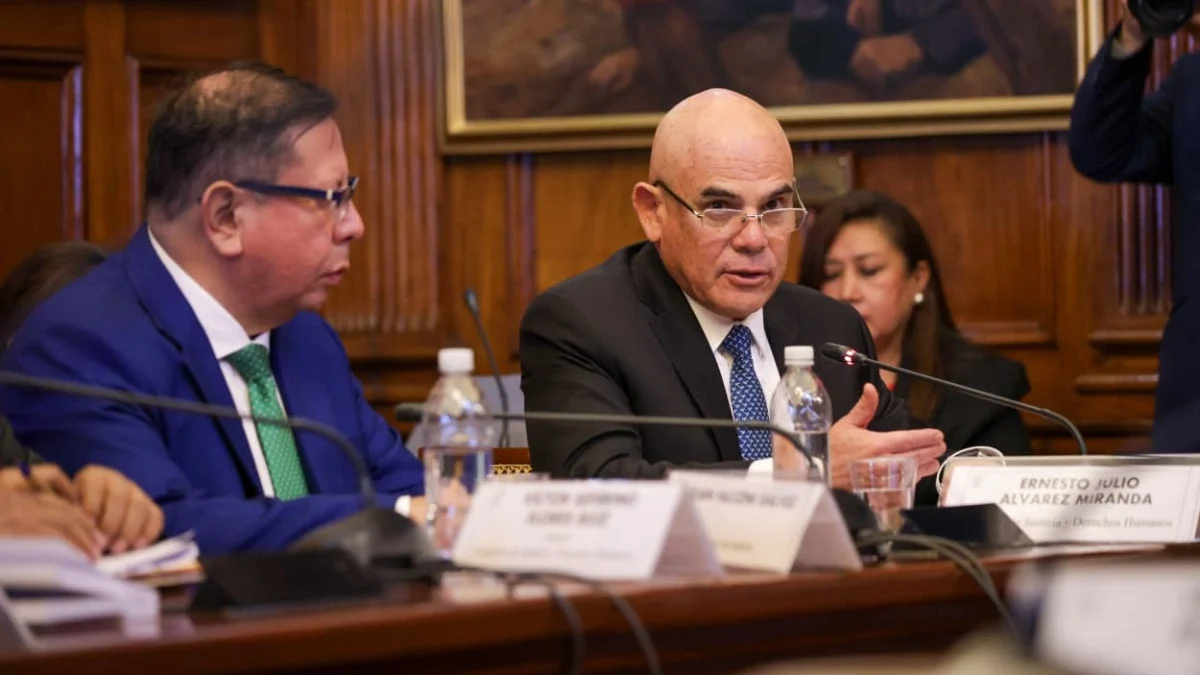
- August 11, 2024: Foreign Minister Carlos Espá summons the Russian Ambassador, Alekséi Ushakov, to formally express the Peruvian government’s "profound concern" and demand clarity on the status of those lost in the conflict.
- August 15, 2024: The Russian Embassy issues its public statement, formalizing its position that all contracts are voluntary and legally binding, while pledging continued cooperation with Lima on a case-by-case basis.
Supporting Data: The Human Cost
The statistics released by the Peruvian Foreign Ministry paint a grim picture of the scale of this involvement. As of mid-August 2024, the government has confirmed that approximately 459 Peruvian citizens have been identified as having enlisted in Russian military units.
The breakdown of these figures highlights the high-stakes nature of the conflict:
- Confirmed Deceased: 11 citizens.
- Missing in Action: 114 citizens.
- Captives: 3 citizens currently held by the Ukrainian military.
- Evacuated/Repatriated: 31 individuals have been successfully moved out of Russia, with 28 having returned to Peruvian soil.
These figures are subject to change, as the fog of war makes verifying the status of the 114 missing individuals an incredibly difficult task for consular staff. The Ministry of Foreign Affairs has held over 25 meetings with the families of those affected, providing psychological support and legal guidance while attempting to negotiate with Moscow for the return of those who wish to leave.
Official Responses: Diplomacy vs. Reality
The diplomatic dance between Lima and Moscow has become increasingly intricate. On one side, the Russian Embassy has attempted to frame the situation as a matter of professional military cooperation. They have stated they "highly value the contribution" of the Peruvian nationals currently serving in the conflict, characterizing them as integral parts of the operational framework of the "Special Military Operation."
Conversely, the Peruvian government, led by the administration of President Keiko Fujimori, is under immense domestic pressure to protect its citizens. Minister Carlos Espá has emphasized that the primary objective is to obtain accurate, verified information regarding the location and status of every Peruvian national caught in the conflict.
The decision to send a special delegate to Moscow marks an escalation in the intensity of these diplomatic efforts. This move is designed to bypass standard bureaucratic hurdles and establish a direct line of communication with the Russian military hierarchy to secure the release or safe passage of those who have expressed a desire to terminate their contracts.
Implications of the Conflict
The presence of Peruvian nationals in the Russia-Ukraine war carries deep implications, both domestically and geopolitically.
Domestic Socio-Economic Drivers
The high number of recruits suggests that the recruitment networks are exploiting economic vulnerability. Many of those who left for Russia were reportedly seeking better economic opportunities to support their families. This raises critical questions about the effectiveness of current economic policies in Peru and the vulnerability of its youth to international trafficking networks that promise high salaries in exchange for military service.

Legal and Diplomatic Challenges
The situation poses a severe legal dilemma for the Peruvian government. While there is no explicit law prohibiting citizens from volunteering for foreign militaries, the alleged coercion and the scale of the recruitment suggest the existence of sophisticated, potentially criminal, human trafficking networks operating within the country. If the Peruvian state cannot prove that its citizens were coerced, it is left with limited legal leverage to demand their return, as the Russian government views the contracts as ironclad under its own domestic laws.
The Strained Relationship with Russia
Peru has historically maintained a balanced diplomatic stance, but this issue is pushing that relationship to its limits. The government must maintain a professional dialogue with Moscow to ensure the safety of its citizens, yet it cannot remain silent while its people are used as cannon fodder in a conflict thousands of miles away. The tension between the Russian claim of "voluntary service" and the Peruvian reality of "trafficked recruits" remains an unbridgeable chasm.
Conclusion: A Search for Resolution
As the dust settles on the recent diplomatic exchanges, the families of the 114 missing Peruvians remain the most significant stakeholders. Their plight serves as a stark reminder of the human cost of geopolitical conflicts that draw in actors from the most unexpected corners of the globe.
The Russian Embassy’s assertion that it treats all requests from the Peruvian side with "attention" and is willing to continue "integral interaction" provides a glimmer of hope, albeit a thin one. For the Peruvian government, the path forward is clear: continue to apply diplomatic pressure, leverage international humanitarian law, and exhaust every available channel to bring its citizens home.
Whether this crisis leads to a change in the status of the Peruvian fighters or results in a long-term diplomatic standoff depends on the sincerity of the Russian response and the persistence of the Peruvian administration. For now, the "Special Military Operation" remains a tragic reality for hundreds of families in Peru, waiting for news from a frontline that feels worlds away.