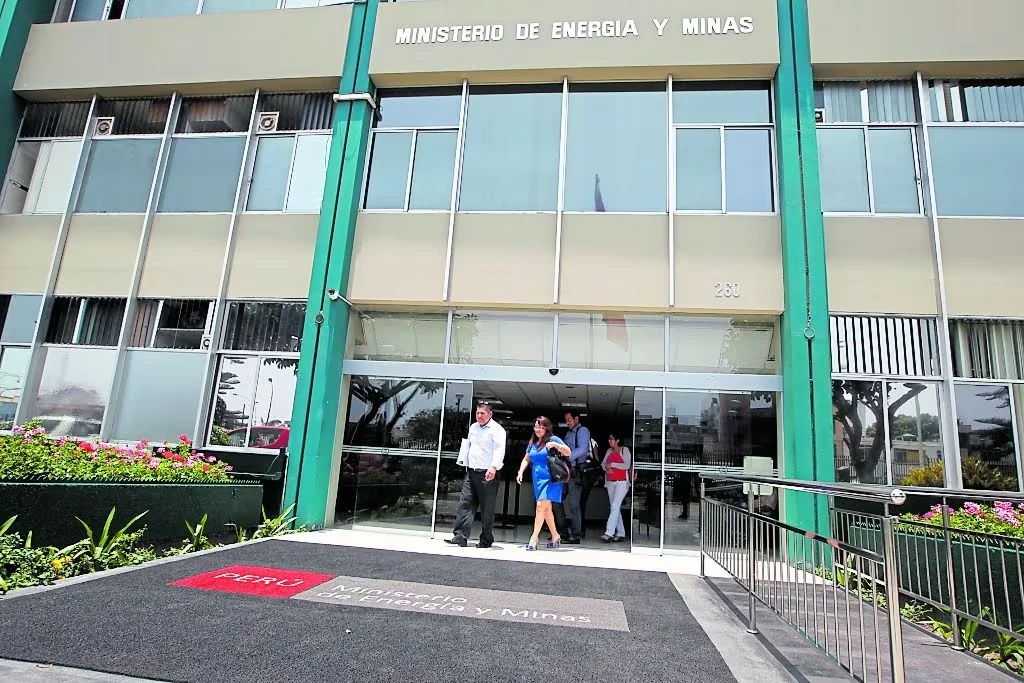
In a significant milestone for Peru’s public sector, the Ministry of Energy and Mines (MINEM), through its General Directorate of Environmental Affairs for Electricity (DGAAE), has been formally recognized for its commitment to institutional modernization. The organization “Ciudadanos al Día” (CAD), in collaboration with the University of the Pacific, has awarded the DGAAE a "Good Practice in Public Management 2026" certification. This accolade highlights the agency’s successful efforts to streamline the evaluation of Declarations of Environmental Impact (DIA) within the electricity subsector, a move that is poised to accelerate sustainable energy development across the country.
Main Facts: A Paradigm Shift in Bureaucratic Efficiency
The core of this recognition lies in the DGAAE’s strategic initiative titled "Improvement of the Procedure for Evaluating Environmental Impact Declarations (DIA) for the Electricity Subsector." For years, the administrative burden associated with environmental permitting has been a focal point of criticism from industry stakeholders. By simplifying these processes, the DGAAE has managed to bridge the gap between rigorous environmental oversight and the need for agile project development.
The initiative was honored in the "Simplification of Procedures" category, a testament to the ministry’s success in removing "red tape" without compromising technical standards. The overhaul of the DIA evaluation process is not merely a bureaucratic tweak; it represents a fundamental shift toward a more transparent, predictable, and user-centric administrative framework. By aligning internal operations with international standards, the DGAAE has demonstrated that government agencies can achieve high-performance levels typically reserved for the private sector.
Chronology: The Path to Modernization
The road to this award was neither instantaneous nor effortless. The transformation process can be traced through a multi-year trajectory of institutional reform:
- 2020-2021: Diagnosis and Strategic Planning: Recognizing the bottlenecks in the environmental assessment phase, the DGAAE initiated a comprehensive audit of its internal workflows. This period focused on identifying redundant documentation and delays in inter-institutional communication.
- 2022: ISO Certification Integration: The ministry prioritized the integration of the ISO 9001:2015 standard into its Quality Management System. This laid the foundation for standardized evaluation criteria, ensuring that every project, regardless of its size or location, was subject to the same high-level technical rigor.
- 2023: Implementation of Process Automation: The DGAAE began rolling out digital tools to track DIA applications in real-time. This phase emphasized transparency, allowing project developers to monitor their status and ensuring that evaluators remained accountable to established timelines.
- 2024-2025: Operational Refinement: Building on the digital infrastructure, the DGAAE refined its internal review committees, reducing the number of bureaucratic touchpoints and implementing "fast-track" protocols for low-impact energy projects.
- 2026: Recognition and Scaling: The culmination of these efforts led to the current award. The "Good Practice" certification serves as both a validation of past performance and a mandate to continue the digital and procedural transformation of the ministry.
Supporting Data: By the Numbers
The success of the DGAAE’s reform is best illustrated through its performance metrics. The agency reported a 96% compliance rate with established legal deadlines during the most recent annual cycle. This is a staggering achievement for an entity that manages complex technical evaluations that often involve multiple stakeholders, including local communities and environmental agencies.
Furthermore, the "client-side" impact—measured through satisfaction surveys among project developers and industry representatives—showed a 95% satisfaction rate. This high level of approval indicates that the streamlining efforts have directly benefited the stakeholders who rely on these permits to break ground on new energy infrastructure. By reducing the time-to-approval, the ministry has effectively lowered the cost of capital for energy projects, thereby fostering a more attractive environment for investment in the Peruvian electricity market.
The Role of ISO 9001:2015 and Quality Assurance
Central to this achievement is the DGAAE’s adherence to the ISO 9001:2015 quality management framework. This international standard has acted as the backbone of the transformation. By implementing systematic, documented, and repeatable processes, the ministry has moved away from the "siloed" decision-making of the past.
The ISO framework has provided the DGAAE with a mechanism for continuous improvement. Rather than viewing the environmental evaluation as a static checklist, the ministry now utilizes a cycle of "Plan-Do-Check-Act." This ensures that if a delay occurs or if a technical challenge arises, the agency can identify the root cause, adjust the process, and prevent future recurrences. The standardization of these procedures is what allows the DGAAE to maintain high environmental standards while simultaneously reducing the time required to review complex project documentation.
Official Responses and Strategic Vision
Representatives from both the MINEM and CAD have emphasized that this award is a reflection of a broader, national vision for the state.
"The recognition of the DGAAE is not just a badge of honor; it is proof that the Peruvian state can modernize its processes to serve the citizen effectively," stated a spokesperson from the Ministry of Energy and Mines. "Our commitment is to facilitate the energy transition by ensuring that environmental viability is synonymous with administrative efficiency."
The organizers of the "Good Practice in Public Management" award, led by CAD and the University of the Pacific, highlighted that the DGAAE’s project stands out because it is "replicable." The methodologies used to standardize the DIA evaluations can be adapted by other ministries, such as the Ministry of Transport or the Ministry of Housing, to improve their own respective permitting processes. This "demonstration effect" is exactly what the award seeks to catalyze—a culture of excellence that permeates the entire public sector.
Implications: A Catalyst for Future Energy Projects
The implications of this reform extend far beyond the walls of the ministry. Peru is currently in the midst of an energy transition, requiring significant investment in renewable energy, transmission lines, and grid stability. The speed and predictability of the regulatory environment are primary factors that investors consider when entering the market.
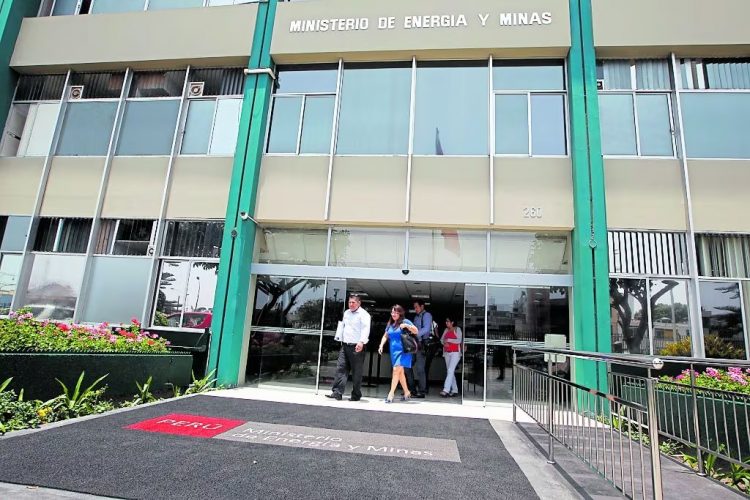
By providing a clear and efficient pathway for environmental compliance, the DGAAE has effectively removed a major obstacle to the deployment of green energy. With 96% of deadlines being met, developers can now provide more accurate project timelines to financiers, reducing the risk premium associated with "bureaucratic delay."
Moreover, the emphasis on environmental integrity remains paramount. The simplification of the process did not entail a reduction in the rigor of environmental studies. Instead, it involved the elimination of administrative friction, allowing technical teams to focus more time on the core environmental impact analysis rather than on processing paperwork. This is a crucial distinction that reinforces the credibility of the Peruvian environmental assessment system.
Looking Ahead: The Future of Public Management
The 2026 award serves as a checkpoint rather than a destination. As the Ministry of Energy and Mines looks toward the future, the challenge will be to maintain these standards as the volume of energy projects continues to grow.
The DGAAE has committed to further digitizing the evaluation process, with future plans to integrate Artificial Intelligence (AI) to assist in the screening of initial documentation. This would allow human experts to focus exclusively on high-risk or complex environmental factors, further increasing the efficiency of the review cycle.
In conclusion, the DGAAE’s recognition by CAD is a landmark event that highlights the power of procedural reform. By marrying technical expertise with management science, the Ministry of Energy and Mines has demonstrated that bureaucracy, when optimized, becomes a facilitator of progress rather than a hindrance. As Peru continues to develop its energy infrastructure, the "Good Practice" established by the DGAAE will serve as a foundational model for how the state can support economic growth while upholding the highest environmental and administrative standards.