In the contemporary built environment, the definition of a "comfortable space" has transcended aesthetic appeal, interior design, and furniture ergonomics. Today, the cornerstone of habitability is thermal regulation. Whether in high-density residential complexes or modern corporate offices, advanced climate control systems have become indispensable. They are no longer luxury additions but fundamental infrastructure required to ensure occupant well-being, maximize professional productivity, and align buildings with global sustainability standards.
As global temperatures continue to fluctuate and the phenomenon of urban heat islands intensifies, the reliance on sophisticated heating, ventilation, and air conditioning (HVAC) systems has reached an all-time high. This evolution marks a shift from mere temperature adjustment to the creation of holistic, healthy, and efficient interior ecosystems.
Main Facts: The New Standard for Thermal Comfort
The fundamental objective of modern climatization is to provide a stable, healthy environment regardless of external weather patterns. The current demand for these systems is driven by three core pillars:
- Occupant Well-being: A controlled thermal environment is directly linked to human health. Stable temperatures reduce stress, improve concentration, and enhance physical and intellectual performance.
- Operational Efficiency: Modern HVAC systems are increasingly designed to integrate with smart building management systems (BMS), ensuring that energy consumption is minimized through precision cooling and heating.
- Environmental Responsibility: As global energy mandates tighten, the industry is shifting toward refrigerants with lower global warming potential (GWP) and systems that leverage heat recovery technologies to reduce carbon footprints.
The installation of these systems requires a meticulous engineering approach. Professionals must account for thermal loads, which vary based on building orientation, occupancy density, the presence of heat-generating electronic equipment, and even the type of artificial lighting utilized.
Chronology: The Transformation of HVAC Technology
The history of indoor climate control is a testament to human ingenuity in the face of environmental challenges.
- Pre-20th Century: Early methods relied on passive cooling through architectural design—thick walls, high ceilings, and cross-ventilation—and rudimentary heating through combustion.
- 1902: Willis Carrier invented the first modern electrical air conditioning unit, initially designed for industrial humidity control in printing plants.
- 1950s-1970s: The mass adoption of residential air conditioning transformed urban development, allowing for the habitation of warmer climates and the rise of the "glass skyscraper," which required constant mechanical cooling.
- 1990s-2010s: The focus shifted toward energy efficiency and ozone-depletion concerns, leading to the phase-out of harmful CFCs and the introduction of inverter technology.
- 2020-Present: The current era is defined by "Smart Climatization." Systems now utilize AI to predict thermal loads, communicate with the electrical grid, and provide air purification services, acknowledging that "comfort" now includes indoor air quality (IAQ) and pathogen filtration.
Supporting Data: Engineering Precision and System Diversity
Achieving the perfect climate is not a "one-size-fits-all" endeavor. Engineering firms utilize complex load-calculation software to determine the exact requirements of a project. Factors such as the thermal conductivity of building materials (U-values) and solar gain coefficients (SHGC) dictate the required capacity of the HVAC plant.

The Spectrum of Available Technologies
The current market offers a tiered hierarchy of solutions tailored to specific architectural needs:
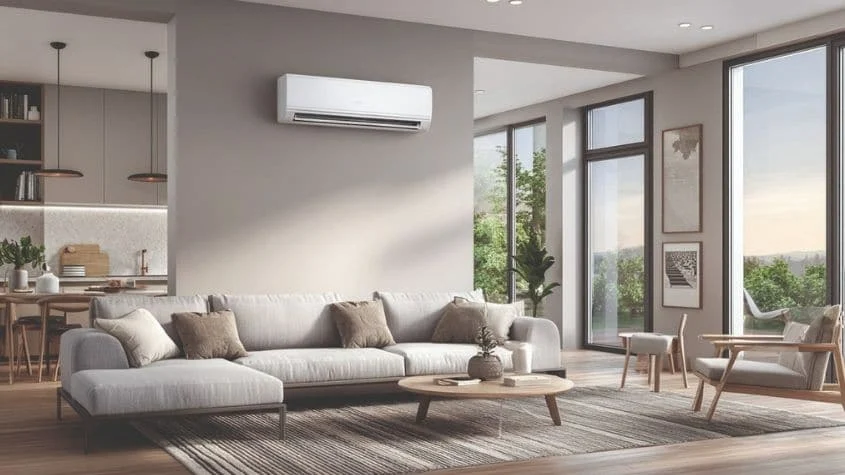
- Split and Multisplit Systems: The industry standard for residential and small commercial use. These systems decouple the noisy, heat-rejecting compressor (placed outdoors) from the quiet evaporator (placed indoors). Multisplit systems allow for multiple interior units connected to a single condenser, offering flexibility for multi-room apartments.
- Ducted Systems: Often chosen for aesthetic reasons in high-end residential or commercial spaces. By hiding the blower unit in a false ceiling, the system provides a seamless look while distributing air through a network of vents, ensuring uniform temperature distribution across large open-plan areas.
- Variable Refrigerant Flow (VRF): The gold standard for modern, large-scale commercial buildings. VRF technology allows for the simultaneous heating and cooling of different zones within the same building. By adjusting the flow of refrigerant based on the real-time demand of each indoor unit, VRF systems achieve unparalleled energy efficiency.
Official Responses and Industry Standards
Regulatory bodies and green building councils, such as the U.S. Green Building Council (LEED) and the International WELL Building Institute, have placed significant emphasis on the role of HVAC in building certification.
Official responses from global industry leaders indicate a strategic pivot toward Electrification of Heat. As natural gas dependency decreases, high-efficiency heat pumps are becoming the preferred method for providing both cooling and heating. These systems are being integrated into the "All-Electric Building" movement, which aims to decouple property operations from fossil fuel combustion entirely.
Industry manufacturers are currently under pressure to meet "Net Zero" building requirements. This involves not only the efficiency of the units themselves but also the lifecycle analysis of the equipment—from raw material extraction to the recyclability of the refrigerants at the end of the unit’s lifespan.
Implications: The Future of Living and Working
The implications of prioritizing advanced climate control are far-reaching, affecting everything from public health to economic output.
1. Health and Quality of Life
The role of air conditioning in nocturnal health is often overlooked. Sleep studies have consistently shown that thermoregulation is vital for REM cycle stability. By maintaining a consistent, slightly cool temperature throughout the night, HVAC systems contribute directly to improved restorative sleep, which is the foundation of long-term physical and mental health.

2. Economic Productivity
In the corporate sector, the "sick building syndrome" and thermal discomfort are major factors in employee absenteeism and decreased performance. A controlled environment is an investment in human capital. Properly conditioned air, filtered for dust, allergens, and pollutants, ensures that the office remains a place of high productivity.
3. Sustainability Challenges
The "Jevons Paradox" remains a concern: as HVAC technology becomes more efficient, the total energy consumption may increase because more buildings are being climatized. To mitigate this, the industry is focusing on:
- Passive-Active Integration: Designing buildings that are naturally ventilated to reduce the load on mechanical systems.
- Smart Grids: Allowing HVAC systems to "cycle down" during peak energy demand hours to prevent grid failure.
- Thermal Energy Storage: Using ice or water storage systems to shift cooling loads to off-peak hours.
Conclusion
Climatization is no longer a luxury; it is a critical component of modern life. As we look toward the future, the integration of smart technology, sustainable refrigerants, and human-centric design will continue to redefine how we inhabit our spaces. The goal is clear: to create environments that not only provide comfort but also protect the health of the occupants and the planet. Whether through a simple split unit in a home or a complex VRF system in a skyscraper, the technology we choose to control our climate is the technology that will define the next century of architecture.
For those involved in construction, design, or facility management, keeping abreast of these technological shifts is essential. As seen in the latest industry reports, the intersection of technology and comfort is where the future of the construction industry lies.