By Editorial Staff
The Ucayali region, a critical hub in the Peruvian Amazon, finds itself at a precarious turning point. Amidst ongoing social unrest and a paralyzing regional strike, the Ministry of Energy and Mines (Minem) has officially declared a state of emergency regarding the supply of hydrocarbons in the region. This decisive, albeit reactive, measure seeks to address the chronic instability in fuel availability that has left the regional capital, Pucallpa, and surrounding provinces on the brink of a supply collapse.
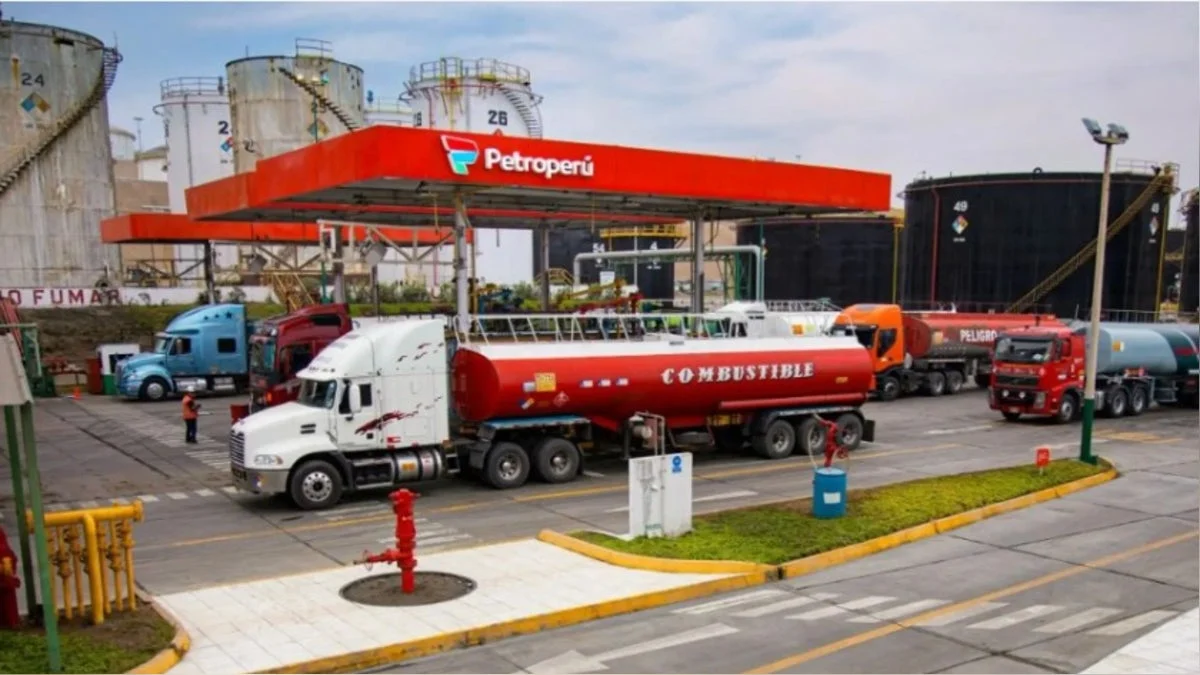
The emergency decree, published in an extraordinary edition of the official gazette El Peruano on August 14, authorizes the temporary repurposing of industrial storage infrastructure. By allowing tanks currently designated for secondary purposes to be retrofitted for the storage of hydrocarbons—specifically Diesel 2—the government aims to bolster regional reserves from the current critical low of 1.5 to 3 days of consumption to a more stable seven-day buffer.
The Anatomy of a Fuel Crisis: Main Facts and Context
The crisis in Ucayali is not a sudden phenomenon but the culmination of fragile logistics compounded by localized socio-political instability. Pucallpa, as the primary distribution center for the region, serves as the lifeline for transport, commerce, and daily life in the Amazonian basin. When the inventory levels of liquid fuels drop below a three-day supply, the ripple effects are immediate and severe.
The Vulnerability of Regional Inventories
Under normal circumstances, supply chains in remote regions like Ucayali operate on a "just-in-time" basis. However, when a regional strike restricts the flow of tanker trucks or river transport, this lean model fails instantly.
The current situation has created a "perfect storm":
- Supply Contraction: With logistics hampered by roadblocks and protest activity, the arrival of new shipments has been delayed, leading to a rapid drawdown of existing stocks.
- Speculative Inflation: Scarcity breeds opportunism. As pump stations run dry, unregulated fuel vendors have been accused of price gouging, artificially inflating the cost of Diesel 2 and gasoline, which disproportionately impacts the most vulnerable sectors of the economy.
- Logistical Fragility: The reliance on specific transit routes makes the region susceptible to any disruption. The inability to store significant quantities of fuel means the region lacks the "cushion" required to survive even a week of interrupted supply.
Chronology of the Emergency Declaration
The escalation of the crisis followed a predictable trajectory, moving from early signs of scarcity to a government-mandated state of intervention.
- Early August: Reports from Pucallpa indicated a gradual tightening of fuel supply. Local fuel stations began implementing rationing measures, limiting the volume per customer to ensure availability for essential services.
- August 10-12: The regional strike intensified. Major transit arteries were blocked, preventing fuel tankers from reaching their destinations. Panic buying set in, exacerbating the depletion of storage tanks.
- August 13: The Ministry of Energy and Mines conducted a rapid assessment of regional stocks, confirming that inventories had hit a dangerous threshold of 1.5 to 3 days. The Minister of Energy and Mines publicly acknowledged that the situation was untenable and required immediate state intervention.
- August 14: The Government issued a ministerial resolution in an extraordinary edition of El Peruano, formally declaring the energy emergency. This decree provides the legal framework for the temporary conversion of storage facilities for a period of up to one year.
Supporting Data: The Logistics of Survival
The decision to declare an emergency is rooted in clear, data-driven necessity. Experts in energy logistics have long pointed to the lack of infrastructure investment in the Amazon as a primary driver of regional instability.
Understanding the "7-Day Goal"
The government’s target of a seven-day reserve is considered the "gold standard" for regional resilience. By enabling the use of underutilized storage tanks, the Minem hopes to decouple the region’s immediate survival from the day-to-day volatility of the supply chain.
Current data suggests that Pucallpa consumes a significant volume of diesel daily to support the heavy machinery used in the timber industry, the fleet of mototaxis that dominate local transit, and the "peque-peque" boats that are the primary mode of transport for riverine communities. Without a week’s worth of inventory, any disruption to the Ucayali River route or the highway connection to the capital results in an immediate economic standstill.
Official Responses and Strategic Policy Shifts
In addition to the emergency decree, the administration has unveiled a broader package of measures designed to soothe the economic impact of the fuel crisis on the local population.
Subsidies for the Transport Sector
Recognizing that the transport sector is the primary victim of rising costs, the government announced a targeted three-month subsidy program. This initiative specifically targets:
- Mototaxistas: The backbone of urban transport in Pucallpa.
- Transportistas Fluviales (Peque-peque operators): Essential for connectivity in the rural Amazonian landscape.
According to official statements, this subsidy will cover between 15% and 20% of the cost of Diesel 2. This is a crucial intervention, as the rising cost of fuel has been a primary driver of the social anger fueling the current strikes. By lowering the operating costs for these groups, the government aims to prevent a total cessation of public transport services.
National Implications
President Keiko Fujimori, addressing the national situation, confirmed that this subsidy framework would be expanded to include freight and passenger transport across the entire country. The measure, scheduled for formalization on August 15, represents a significant departure from previous market-driven policies, reflecting a pivot toward more direct state involvement in the fuel market to ensure national stability.
Socio-Economic Implications: A Fragile Balance
The intervention in Ucayali is not merely a technical fix; it is a political imperative. The intersection of energy policy and public order is a volatile space.
The Risk of Speculation
The government’s move is intended to break the cycle of speculation. When the state signals that it is taking control of storage and potentially facilitating direct supply channels, it exerts downward pressure on the "black market" prices that emerge during shortages. By guaranteeing a baseline of supply, the government effectively removes the incentive for opportunistic price hikes.
The Long-term Challenge
While the one-year emergency decree provides a temporary solution, critics argue that it does not address the structural deficits in the region’s energy infrastructure. Reliance on repurposed tanks is a "band-aid" solution that leaves the underlying issue—a lack of modern, large-scale storage facilities—unaddressed. To prevent future crises, industry analysts suggest that the government must move beyond emergency decrees toward long-term public-private partnerships aimed at building permanent, high-capacity fuel depots in the Amazon region.
The Human Element
Ultimately, the success or failure of these measures will be felt in the homes of Ucayali residents. The rising cost of fuel is not an abstract economic metric; it is directly linked to the price of food, the cost of transit for schoolchildren, and the viability of local small businesses. If the government fails to ensure that these subsidies reach their intended recipients effectively, the state of emergency may do little to calm the social tensions that led to the strike in the first place.
Conclusion: A Turning Point for the Amazon
The declaration of an energy emergency in Ucayali is a recognition of the fundamental fragility of modern logistics in the Amazon. By prioritizing the expansion of fuel reserves and introducing targeted subsidies, the administration is attempting to balance the immediate need for social stability with the complexities of managing a constrained energy market.
As the government moves to implement these measures, the eyes of the nation will remain on Pucallpa. The success of this intervention will be measured by two metrics: the stabilization of fuel prices and the restoration of public confidence in the supply chain. In a region where the river and the road are the true arbiters of survival, the government’s ability to keep the fuel flowing will be the ultimate test of its regional policy efficacy in the months to come.