Loreto, Peru – July 4, 2026 – In a significant operation aimed at curbing the escalating tide of illicit resource extraction, the Specialized Environmental Prosecutor’s Office (FEMA) of Loreto, operating from Iquitos, has initiated urgent proceedings against two Colombian nationals. The individuals are suspected of engaging in illegal gold mining activities along the vital Putumayo River, a crucial artery of the Peruvian Amazon. The crackdown, led by Provincial Prosecutor Franco González Macedo, underscores the growing commitment of Peruvian authorities to protect the region’s fragile ecosystems from the devastating impact of unregulated mining.
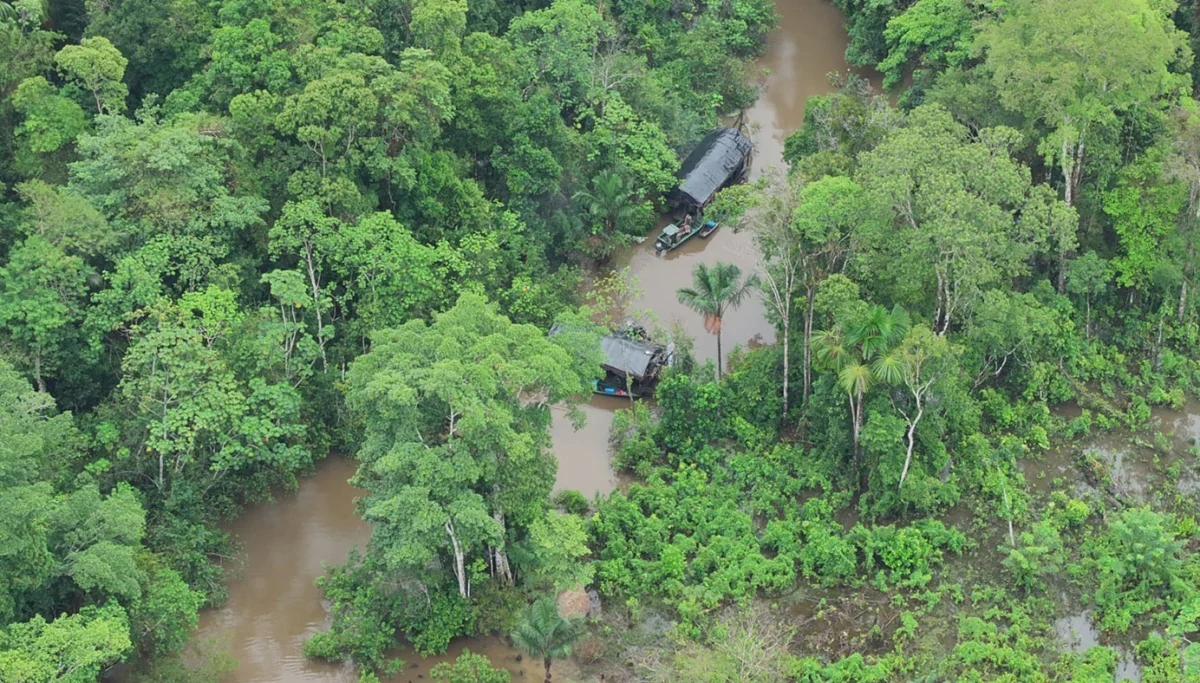
The swift action followed a successful interdiction operation conducted on July 4, 2026. During this meticulously planned operation, fiscal personnel, working in close coordination with the Peruvian Navy, discovered two artisanal dredges actively engaged in the illegal extraction of gold. The illicit operation, conducted on the waters of the Putumayo, was abruptly halted when authorities arrived on the scene. In a desperate attempt to evade capture, the operators of the dredges attempted to flee by navigating their vessels downriver. However, their escape was short-lived. A determined fluvial pursuit by the Peruvian Armed Forces culminated in the interception and apprehension of the two individuals.
The interdiction operation yielded substantial evidence of the illegal mining activities. Authorities meticulously documented the presence of sophisticated suction systems, powerful engines, extensive networks of hoses, washing sluices, mineral recovery mats, and significant quantities of fuel. In strict adherence to Peruvian environmental and interdiction protocols, all discovered equipment and implements were immediately destroyed and rendered inoperable. This decisive action was taken to effectively neutralize the capacity for further illicit extraction and to send an unambiguous message to those involved in environmental crime.
This successful intervention by the FEMA of Loreto is a testament to the broader national strategy spearheaded by the National Coordination of Specialized Environmental Prosecutor’s Offices (FEMA). The agency’s overarching objective is to meticulously investigate and bring to justice those responsible for environmental degradation. This operation, specifically targeting illegal mining in a sensitive border region, highlights FEMA’s unwavering commitment to a frontal assault on illegal mining, with the ultimate goal of safeguarding the invaluable rivers and unique ecosystems of the Peruvian Amazon. The Putumayo River, a lifeline for countless communities and a biodiversity hotspot, faces constant peril from these destructive practices, making such enforcement actions critically important.
The Putumayo River: A Vital Artery Under Siege
The Putumayo River, also known as the Içá in Brazil, is a major tributary of the Amazon River, flowing through Colombia, Peru, and Brazil. It is a critical waterway that not only supports a rich tapestry of biodiversity but also serves as a vital source of livelihood and transportation for numerous indigenous communities and riverside populations. The river’s waters are essential for fishing, agriculture, and daily life, and its health is inextricably linked to the well-being of the entire region.
However, the Putumayo, like many other Amazonian rivers, has become a focal point for illegal gold mining. This destructive practice, often fueled by organized crime and international demand for gold, has dire consequences for the environment and the people who depend on it. The methods employed in illegal mining, such as the use of mercury and cyanide for gold amalgamation, poison the river’s waters, decimating fish populations and contaminating the food chain. The physical alteration of the riverbed through dredging and excavation leads to widespread erosion, sedimentation, and habitat destruction, impacting aquatic life and altering the river’s natural flow.
Chronology of a Crucial Intervention
The events leading to the apprehension of the two Colombian nationals and the dismantling of the illegal mining operation on the Putumayo River on July 4, 2026, unfolded with precision and urgency.
Pre-Operation Intelligence Gathering: While not explicitly detailed in the initial report, it is understood that operations of this nature are preceded by a period of intelligence gathering. This likely involved surveillance, reconnaissance, and information sharing between various state agencies, including environmental monitoring units, law enforcement, and the Peruvian Navy, to identify the location and operational capacity of illegal mining activities. The presence of artisanal dredges suggests a potentially mobile and clandestine operation, making effective intelligence crucial for a successful interdiction.
July 4, 2026: The Interdiction Operation:

- Dawn/Early Morning: The operation commenced with the deployment of fiscal personnel and representatives from the Peruvian Navy. The team likely navigated the Putumayo River, approaching the suspected location of the illegal mining activity.
- Detection of Illegal Mining: Upon reaching the target area, authorities identified two artisanal dredges actively engaged in the extraction of gold. The visual confirmation of these vessels operating in a manner consistent with illegal mining was the trigger for immediate action.
- Attempted Evasion: As the authorities made their presence known, the operators of the dredges attempted to flee the scene by accelerating their vessels downstream. This is a common tactic employed by illegal miners to escape capture and potentially abandon their equipment.
- Fluvial Pursuit: The Peruvian Armed Forces, present as part of the interdiction team, immediately initiated a pursuit. This chase, conducted on the water, demonstrated the operational capabilities and readiness of the naval forces to engage in challenging riverine environments.
- Interception and Apprehension: After a sustained pursuit, the Armed Forces successfully intercepted the fleeing vessels. The two individuals operating the dredges were apprehended without further incident.
- On-Site Verification and Documentation: Following the apprehension, authorities conducted a thorough inspection of the dredges and the immediate vicinity. This involved meticulously verifying the presence and type of equipment used, documenting the extent of the environmental impact, and collecting any evidence of the illegal operation. The presence of suction systems, engines, hoses, washing equipment, and fuel confirmed the active nature of the illicit mining.
- Destruction of Equipment: In accordance with established protocols for interdiction operations against illegal mining, all identified equipment and implements were systematically destroyed and rendered inoperable. This action was critical to prevent the immediate resumption of the illegal activity and to serve as a tangible deterrent.
Post-Operation Proceedings:
- Initiation of Formal Proceedings: The two apprehended Colombian nationals were taken into custody, and the FEMA of Loreto, under the leadership of Provincial Prosecutor Franco González Macedo, officially initiated urgent and non-deferrable legal proceedings against them. The charges are based on the alleged commission of the crime of illegal mining.
- Investigation and Evidence Compilation: The confiscated evidence and the testimonies of the apprehended individuals, along with the observations of the authorities, form the basis of the ongoing investigation. The goal is to fully understand the scope of their operation, identify any accomplices or networks involved, and gather sufficient evidence for prosecution.
- Commitment to Broader Fight: The operation and subsequent legal action are presented as part of a larger, coordinated effort by the FEMA to combat illegal mining across the Amazonian region. This highlights a strategic approach that extends beyond individual incidents to address the systemic problem.
Supporting Data: The Devastating Impact of Illegal Mining
The incident on the Putumayo River is not an isolated event but rather a symptom of a pervasive and deeply damaging issue across the Peruvian Amazon. While specific data for this particular bust is limited to the equipment found, broader statistics paint a grim picture of the environmental and social costs of illegal gold mining.
- Mercury Contamination: Illegal gold mining is the largest source of mercury pollution in the Amazon. Mercury is a highly toxic heavy metal that is used to amalgamate gold particles, making them easier to extract. Once released into the environment, it bioaccumulates in the food chain, posing severe health risks to humans and wildlife. Studies have shown elevated levels of mercury in fish, leading to neurological damage, developmental problems, and other serious health issues in communities that consume contaminated seafood. The World Health Organization (WHO) classifies mercury as one of the ten most hazardous chemicals.
- Deforestation: The establishment of mining camps and the operation of dredges often lead to significant deforestation. Large areas of forest are cleared to access mineral-rich riverbanks and to build infrastructure for mining operations. This habitat destruction contributes to biodiversity loss, soil erosion, and impacts the delicate ecological balance of the Amazon. The Peruvian Amazon is one of the most biodiverse regions on Earth, and deforestation directly threatens countless species, many of which are endemic.
- Riverbed Alteration and Sedimentation: The physical act of dredging and excavating riverbeds causes immense damage. It leads to increased turbidity of the water, which smothers aquatic life, disrupts fish breeding grounds, and alters river flow patterns. The increased sediment load can clog waterways, impact navigation, and contribute to flooding in downstream areas. The Putumayo River’s ecosystem, adapted to specific water quality parameters, is highly vulnerable to these changes.
- Social Impacts and Conflict: Illegal mining often goes hand-in-hand with organized crime, human trafficking, and violence. The pursuit of gold can lead to conflicts with indigenous communities whose ancestral lands are invaded and whose way of life is threatened. The presence of armed groups associated with illegal mining operations further exacerbates insecurity in the region. The apprehension of Colombian nationals in this case suggests the transnational nature of these criminal networks.
- Economic Losses to the State: While illegal miners profit from their illicit activities, the state loses significant potential revenue in the form of taxes and royalties that would be generated from legal mining operations. The environmental damage also incurs long-term costs for remediation and healthcare, which are borne by society.
- Scale of the Problem: Reports from various environmental organizations and government agencies consistently highlight the vast scale of illegal mining in Peru. Estimates suggest that hundreds of thousands of hectares of Amazonian rainforest have been degraded by this activity, with significant portions occurring in protected areas and indigenous territories. The number of illegal mining operations, often small-scale and mobile, makes eradication a challenging and continuous effort.
Official Responses and Commitments
The actions taken by the FEMA of Loreto and the broader commitment articulated by the National Coordination of FEMA signify a determined official response to the escalating crisis of illegal mining. These responses are crucial for demonstrating the state’s resolve and for garnering public and international support for environmental protection efforts.
Provincial Prosecutor Franco González Macedo: As the lead prosecutor in this operation, Mr. Macedo’s role is central. His direct involvement in initiating urgent proceedings underscores the immediate and serious nature with which the FEMA is treating this case. His focus on "urgent and non-deferrable" action highlights the dynamic and time-sensitive nature of environmental crimes, where delays can lead to further irreparable damage.
Specialized Environmental Prosecutor’s Office (FEMA) of Loreto: The operational arm of the state’s environmental justice system, FEMA in Loreto, acts as the frontline defender of the Amazon. Their successful execution of the interdiction operation, in collaboration with the Navy, demonstrates their capacity for effective law enforcement in challenging terrains. Their mandate is not only to prosecute but also to prevent and deter environmental crimes.
Peruvian Navy and Armed Forces: The active participation of the Navy in the interdiction and the Armed Forces in the pursuit and apprehension is critical. Their logistical support, operational expertise in riverine environments, and enforcement capabilities are indispensable for the success of such operations. This inter-agency cooperation is a vital component of a comprehensive strategy against illegal activities.
National Coordination of Specialized Environmental Prosecutor’s Offices (FEMA): The statement that this intervention “consolidates its commitment to combatting illegal mining head-on in border areas, protecting the rivers and ecosystems of the Peruvian Amazon” is a clear articulation of a national policy. This national coordination signifies a strategic approach that aims to address the problem comprehensively, recognizing that illegal mining often transcends local boundaries and involves complex criminal networks. Their stated objective to "clarify the circumstances of the use of the dredges" indicates a commitment to thorough investigation beyond immediate enforcement.
Key Commitments Expressed:
- Frontal Combat: The use of the term "frontal combat" signals an aggressive and proactive stance against illegal mining, moving beyond reactive measures.
- Protection of Rivers and Ecosystems: The explicit mention of protecting the Amazon’s rivers and ecosystems highlights the core environmental mandate driving these actions.
- Border Area Focus: Targeting border regions like the Putumayo is strategically important, as these areas are often gateways for illegal activities and can be more challenging to monitor and control.
- Procedural Rigor: The mention of "strict compliance with current regulations on interdiction" emphasizes the commitment to legal due process and the proper execution of enforcement actions.
These official responses, while positive, are part of a much larger and ongoing struggle. The effectiveness of these commitments will ultimately be measured by sustained efforts, adequate resource allocation, and the successful prosecution of offenders, thereby creating a lasting deterrent against environmental degradation.

Implications: A Glimpse into the Wider Struggle for the Amazon
The apprehension of two Colombian nationals for illegal gold mining on the Putumayo River carries significant implications, extending far beyond the immediate success of a single interdiction operation. It serves as a microcosm of the broader, complex challenges facing the Peruvian Amazon and, indeed, the entire transboundary region.
-
Transnational Criminal Networks: The nationality of the apprehended individuals strongly suggests the involvement of organized criminal networks operating across borders. Illegal mining is often driven by lucrative profit motives, and these networks are adept at exploiting resources and evading law enforcement by moving between jurisdictions. This operation underscores the need for enhanced international cooperation between Peru, Colombia, Ecuador, and Brazil to effectively dismantle these sophisticated criminal enterprises. Intelligence sharing, joint operations, and coordinated legal frameworks are paramount.
-
The Resource Curse and Governance Challenges: The allure of gold has, for centuries, driven exploitation and conflict. In regions with weak governance, limited economic alternatives, and vast natural resources, illegal mining can become deeply entrenched. The Putumayo incident highlights the ongoing struggle to balance economic development with environmental protection and the rights of indigenous communities. Effective governance, transparent resource management, and the provision of sustainable economic alternatives for local populations are crucial for long-term solutions.
-
The Role of Demand: The demand for gold, both domestically and internationally, fuels the illegal mining industry. Addressing the demand side, through stricter regulations on the gold trade, promoting responsible sourcing, and raising consumer awareness, is an essential, albeit challenging, component of any comprehensive strategy. The traceability of gold and the accountability of buyers are critical areas that require greater attention from both governments and the private sector.
-
Indigenous Rights and Environmental Justice: The Putumayo River is home to indigenous communities whose lives and cultures are intrinsically linked to the health of the river and the surrounding forest. Illegal mining directly threatens their territories, their traditional livelihoods, and their very existence. This operation, while a positive step, also brings to the forefront the urgent need to uphold indigenous rights, ensure their free, prior, and informed consent regarding resource extraction on their lands, and provide them with the tools and support to defend their territories. Environmental justice demands that those most affected by environmental degradation have a voice and are protected.
-
The Long Road to Sustainable Development: The fight against illegal mining is not merely about law enforcement; it is about charting a course towards sustainable development in the Amazon. This involves investing in legitimate economic opportunities for local communities, promoting sustainable agriculture and ecotourism, and supporting research and innovation in resource management. It requires a shift from an extractive economy to one that values the ecological services and biodiversity of the Amazon for the long term.
In conclusion, the interdiction on the Putumayo River is a significant event that signals continued vigilance from Peruvian authorities. However, it also serves as a stark reminder of the immense and multifaceted challenges inherent in protecting the Amazon. The successful prosecution of those apprehended and the broader implementation of robust, cooperative, and sustainable strategies will be critical in determining the future health of this vital global ecosystem and the well-being of its inhabitants. The Putumayo, like the Amazon itself, is a treasure that demands our unwavering protection.