By Economic Editorial Desk
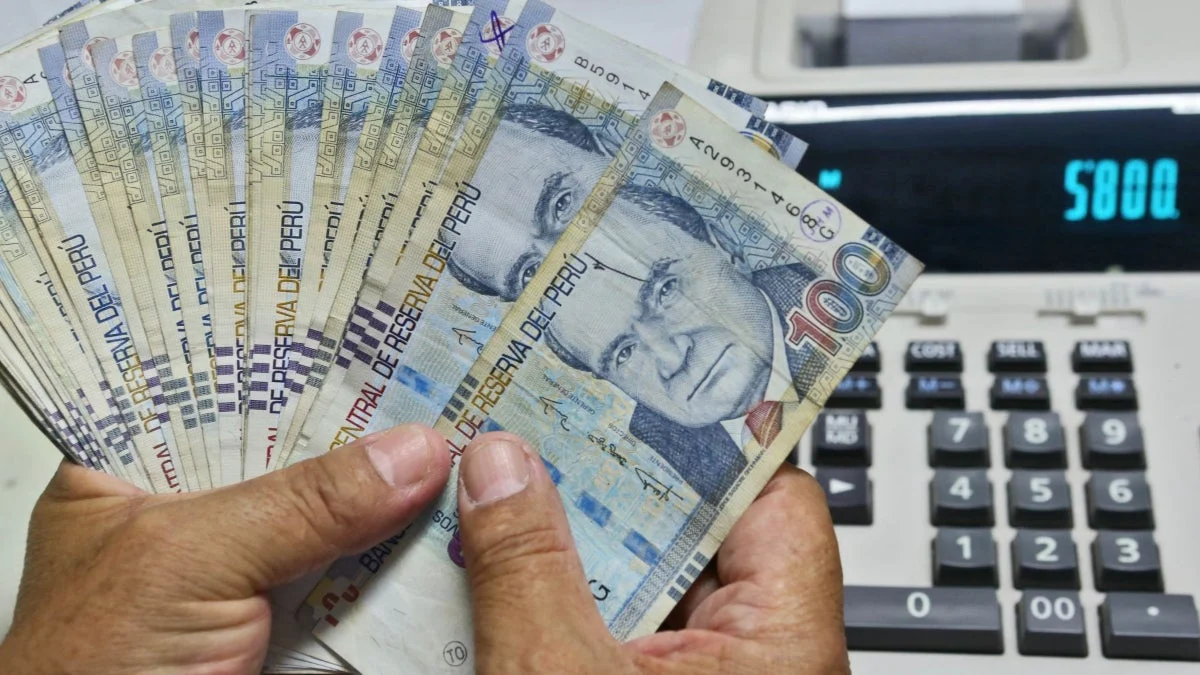
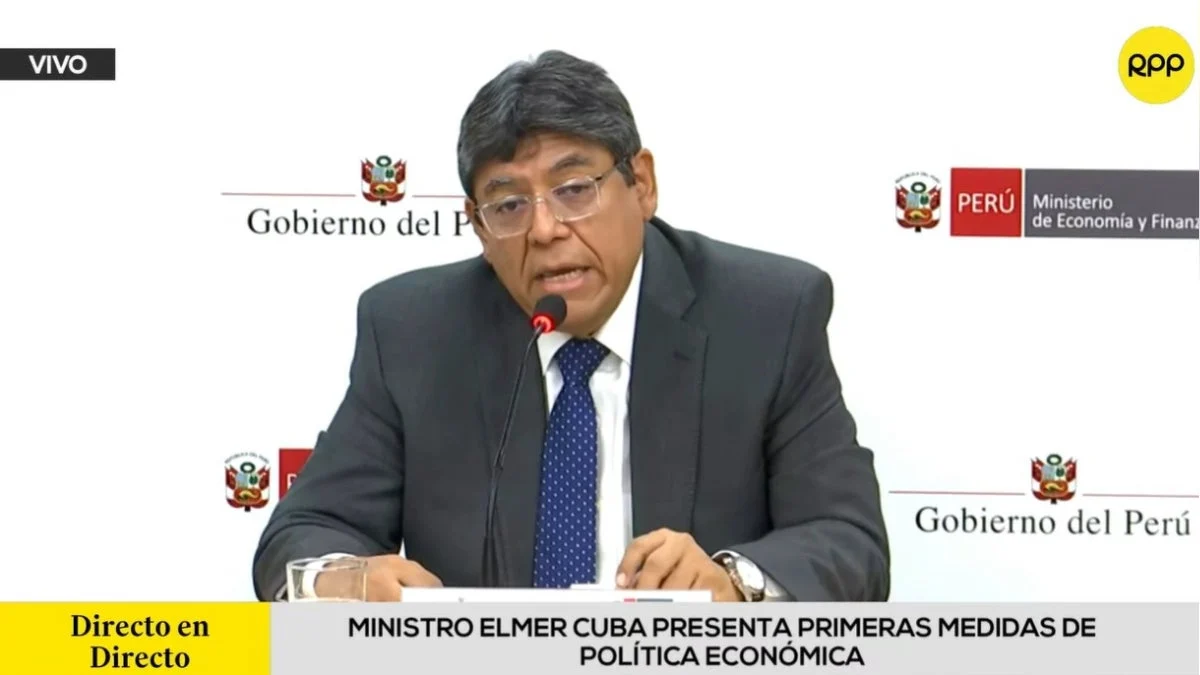
The Peruvian government has officially set in motion the framework for a significant adjustment to the national minimum wage, a centerpiece of President Keiko Fujimori’s inaugural policy agenda. Minister of Economy and Finance, Elmer Cuba, confirmed that the Remuneración Mínima Vital (RMV) will be increased to S/1,300. However, in a move designed to buffer the national economy against inflationary pressures and protect the fragile operational margins of micro and small enterprises (MYPES), the administration has opted for a phased implementation strategy.
This decision marks a pivotal moment for the Peruvian labor market, balancing the social imperative of improving the purchasing power of the working class with the pragmatic necessity of maintaining macroeconomic stability.
Main Facts: The Anatomy of the Increase
The proposed increase to S/1,300 will not be executed as a singular, disruptive event. Instead, Minister Cuba detailed a two-stage approach. The adjustment will be split into two distinct increments: an initial rise of S/100, followed by a subsequent increase of S/70.
The primary objective of this staggered rollout is to allow the economy—and particularly small businesses—time to adapt to higher labor costs. By parsing the increase, the Ministry of Economy and Finance (MEF) aims to avoid the "cost-push" inflation that often accompanies sudden, sharp hikes in mandatory wage floors.
“We are committed to improving the purchasing power of those earning the minimum wage,” Minister Cuba stated during a recent press conference. “However, we must manage this transition carefully. By splitting the increase into two stages, we ensure that the adjustment does not trigger unintended inflationary effects or force small businesses into unsustainable financial positions.”
Chronology of the Policy Development
The path to this announcement has been marked by a swift succession of administrative actions following the July 28th Message to the Nation:
- July 28, 2026: President Keiko Fujimori announces the goal of raising the minimum wage to S/1,300 during her first address as head of state, signaling a shift toward strengthening labor income.
- Early August 2026: The Ministry of Labor and Employment Promotion (MTPE) completes the appointment of its key technical team. This team is tasked with overseeing the mechanics of the wage increase and facilitating the broader labor reforms planned by the administration.
- August 6, 2026: Minister of Labor, Juan Sheput, ratifies the appointment of the Technical Secretary of the National Council of Labor (CNT). This body is identified as the critical venue for debating the technical details of the wage hike.
- August 7, 2026: Minister Elmer Cuba holds a press briefing to clarify that while the goal is fixed, the timeline remains flexible. The government emphasizes that the dates for the two stages will be determined in collaboration with the CNT to ensure consensus among labor unions and business associations.
Supporting Data and Economic Context
The decision to implement a gradual increase is rooted in the current economic landscape of Peru. Micro and small enterprises (MYPES) account for the vast majority of private-sector employment in the country. A sudden, drastic increase in payroll obligations could have led to a contraction in formal hiring or, worse, an increase in informality, as businesses might seek to bypass the new mandate to survive.
The Balancing Act
The MEF is closely monitoring two primary indicators:
- Inflationary Pressure: Sudden wage hikes often lead to higher prices for goods and services as businesses pass labor costs on to consumers.
- Employment Elasticity: The government is wary of reducing the ability of smaller firms to absorb new staff, which is essential for post-pandemic economic recovery.
By opting for a gradual transition, the government hopes to maintain the "real wage" gains for workers without triggering a wage-price spiral that would ultimately negate the benefits of the raise.
Official Responses and Stakeholder Engagement
The government’s strategy is heavily reliant on the National Council of Labor (CNT). Minister Juan Sheput has emerged as a key mediator, responsible for translating the President’s policy mandate into a workable agreement between the state, organized labor, and the private sector.
The Role of the CNT
The CNT serves as the tripartite forum where the government presents its proposals. The administration’s preference for a phased increase is seen as a gesture of goodwill toward business leaders who have expressed concerns regarding the speed of the adjustment. Conversely, labor representatives are being engaged to ensure that the timing of the two stages provides meaningful relief to households grappling with the cost of living.
Minister Cuba emphasized that the government is not acting in a vacuum. "We are in constant coordination with the Minister of Labor. The proposal will be discussed thoroughly within the CNT. We want a consensus-driven approach that considers the reality of both the worker and the entrepreneur," he noted.
Implications for the Peruvian Economy
The implications of this policy shift are multifaceted, touching on social welfare, fiscal policy, and labor market structure.
1. Strengthening the Middle and Lower Classes
For the average worker earning the current minimum, an increase to S/1,300 represents a meaningful boost to disposable income. In an era where food and energy costs have been volatile, this increase is designed to bolster household consumption, which in turn acts as a driver for domestic economic growth.
2. Safeguarding the MYPES
The government has explicitly stated that micro and small enterprises will receive additional support during the transition. While specific details of this support (which may include tax credits, training, or credit facilities) are expected to be unveiled in the coming weeks, the commitment to "protecting" these entities is a clear signal that the administration does not intend for the wage hike to lead to business closures.

3. The Broader Labor Reform
This wage increase is not an isolated policy; it is part of a larger, more ambitious effort by the Fujimori administration to modernize Peru’s labor market. With the Ministry of Labor having finalized its specialized team, observers expect a series of reforms focused on productivity, job formality, and labor flexibility. The success of the minimum wage increase will likely serve as a litmus test for the administration’s ability to manage future, more complex labor reforms.
4. Macroeconomic Stability
From a macroeconomic perspective, the "gradualism" approach is a sign of fiscal prudence. By signaling that the government is sensitive to the inflationary impact of its social policies, the administration aims to maintain the confidence of international investors and the Central Bank. The strategy avoids the shock-therapy approach, preferring a predictable, step-by-step path that allows markets to recalibrate.
Looking Ahead: The Road to Implementation
As the Ministry of Labor prepares for the upcoming sessions of the National Council of Labor, the business community and the public remain in a state of "watchful anticipation." The critical question remains: When exactly will these two stages take effect?
The administration has indicated that the calendar will be set based on economic performance and the outcome of the CNT discussions. This flexibility is both a strength and a point of contention. While it allows the government to pivot if the economy faces external shocks, it also leaves workers waiting for the exact dates to plan their finances.
In summary, the decision to raise the minimum wage to S/1,300 in two stages is a calculated move. It reflects a government attempting to deliver on a core campaign promise while adhering to the fundamental principles of economic sustainability. By involving the CNT and prioritizing the stability of small businesses, the Fujimori administration is attempting to forge a new social contract that treats labor rights and economic viability as complementary, rather than competing, interests.
As the situation develops, the focus will shift from the "what" to the "when," as the government moves to turn this policy vision into a concrete reality for millions of Peruvian workers. For now, the message from the Ministry of Economy is clear: progress is coming, but it will be measured, calculated, and implemented with the health of the entire national economy in mind.