By International News Desk
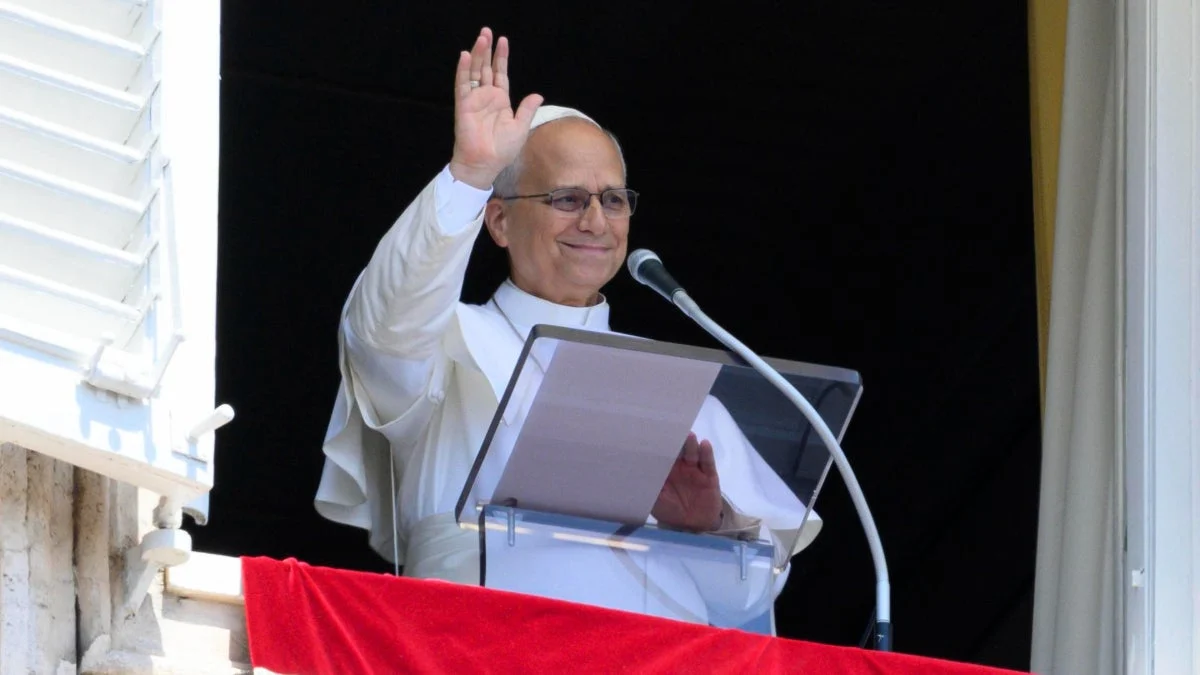
The Peruvian government has officially signaled the commencement of an intensive period of national preparation following the announcement that Pope Leo XIV will undertake an apostolic journey to the South American nation. Scheduled to take place from November 11 to 17, 2026, the visit has been declared a matter of "National Interest" by the administration of President Keiko Fujimori, marking a pivotal moment in the country’s modern religious and diplomatic history.
The announcement was confirmed following an ordinary session of the Council of Ministers held on August 12, 2026. The executive branch aims to leverage the papal visit not only to foster spiritual unity but also to project a unified image of the nation on the global stage.
The Strategic Significance of the Apostolic Journey
The visit of Pope Leo XIV, widely celebrated as a "Peruvian Pope," holds deep symbolic weight for the local population. Government officials have emphasized that the logistics behind this visit are unprecedented. A delegation of 14 Vatican specialists recently concluded a comprehensive tour of the country, conducting rigorous inspections of proposed routes, logistical infrastructure, and the high-security protocols that will define the week-long itinerary.
Foreign Minister Carlos Espá addressed the media following the Cabinet meeting, framing the visit as a "transformative event." According to Espá, the Ministry of Foreign Affairs is operating as the technical secretariat for the High-Level Special Commission tasked with managing the visit. "The entire country is waiting for the arrival of the Pope," Espá stated. "It will be an extraordinary milestone, with the religious pinnacle of his journey set to occur in Zaña, in the Lambayeque region, where the nation will commemorate the 300th anniversary of the canonization of Saint Toribio de Mogrovejo."
The selection of Zaña for such a significant commemoration underscores the administration’s desire to decentralize the papal itinerary, ensuring that historical and regional hubs are prioritized alongside the capital.
Chronology of Preparations and Key Events
The roadmap for the papal visit is being meticulously crafted to balance massive public gatherings with the necessary security requirements for a world leader.
- August 12, 2026: The Council of Ministers formally declares the visit of Pope Leo XIV a matter of National Interest.
- August 13, 2026: The Presidency of Peru confirms the decree via social media, signaling the start of inter-ministerial cooperation to prepare for the November window.
- Late August – October 2026: Ongoing site preparation and the finalization of security zones, specifically focusing on the Las Palmas Air Base, which is slated to host a massive public mass.
- November 11, 2026: Scheduled arrival of Pope Leo XIV in Lima.
- November 12-16, 2026: A series of regional visits, including the focal event in Zaña, Lambayeque.
- November 17, 2026: Departure of the Pontiff following a concluding audience.
A centerpiece of the visit will be the bilateral meeting between the Pope and President Keiko Fujimori at the Palacio de Gobierno. This meeting is expected to cover a wide array of topics, ranging from social justice and poverty alleviation to the role of the Church in contemporary democratic governance.
Supporting Data: Infrastructure and Security Logistics
The scale of the operation is massive. Based on initial reports from the Vatican’s technical delegation, the Peruvian government is investing significantly in public works projects to upgrade access routes to major religious sites.
Security remains the paramount concern. The Ministry of the Interior is coordinating with the Vatican Gendarmerie to establish a "security ring" model that will be deployed at each location. The Las Palmas Air Base, a site of historical importance for previous papal visits, is currently undergoing structural assessments to ensure it can safely accommodate the expected hundreds of thousands of pilgrims.
Furthermore, the declaration of "National Interest" provides the executive branch with the authority to fast-track administrative procedures, mobilize budgetary resources from regional governments, and coordinate the National Police and Armed Forces with greater autonomy.
Official Responses and Political Implications
The announcement of the papal visit comes at a complex time for the Fujimori administration. While the visit is being received with overwhelming national enthusiasm, it also serves as a backdrop to ongoing legislative debates.
The Legislative Agenda
During his press conference, Foreign Minister Carlos Espá pivoted to address the current tension between the Executive and the Legislative branches regarding the request for delegated legislative powers. While the administration is focused on the papal visit, it is also actively lobbying the Senate to grant the government the power to legislate on matters of citizen security.
"We are optimistic that Congress, acting with patriotism and setting aside political differences, will approve this delegation of powers," Espá asserted. The government has identified the fight against organized crime, specifically extortion and urban insecurity, as its primary legislative priority.
The Minister emphasized that the administration views the stability provided by the upcoming papal visit as a catalyst for a "more robust and decisive" approach to security. By linking the successful organization of the papal visit to the broader goal of national order, the government is attempting to build momentum for its legislative agenda.
Implications for the Future of the Nation
The visit of Pope Leo XIV is being interpreted by political analysts as a potential "reset" button for the current administration. In a country where the influence of the Catholic Church remains a significant social force, the presence of the Pope is expected to provide a temporary respite from the polarized political environment.
Socio-Religious Impact
The commemoration of Saint Toribio de Mogrovejo is not merely a religious gesture; it is an appeal to the nation’s colonial and ecclesiastical history, reinforcing the identity of Peru as a pillar of Catholicism in the Americas. The event in Zaña will likely serve as a focal point for regional development and tourism, potentially stimulating local economies in Lambayeque.
Diplomatic Soft Power
For President Keiko Fujimori, hosting the Pope is an opportunity to reinforce her international standing. The meeting at the Palacio de Gobierno will be scrutinized by the international community for the tone and topics discussed. A successful, incident-free visit would be a significant feather in the cap for the current administration, providing a "halo effect" that could translate into higher approval ratings and greater political capital as the government navigates its legislative challenges.
Conclusion: A Nation in Anticipation
As November approaches, the rhythm of government in Peru will increasingly align with the demands of this historic visit. From the corridors of the Ministry of Foreign Affairs to the historical cathedrals of Lambayeque, the machinery of the state is in full motion.
The challenge for the Fujimori administration lies in managing the high expectations of the public. While the focus remains on the logistical mastery required for such an event, the underlying political narrative—that a stable, secure, and unified Peru is the only way to honor such a visitor—remains the driving force behind the government’s rhetoric.
As the country prepares for the arrival of Pope Leo XIV, the focus is not only on the religious significance of the visit but on what this week in November will reveal about the resilience and future trajectory of the Peruvian state. Whether the visit will serve as a bridge to resolve political gridlock or simply as a brief, sacred pause in the nation’s political life remains to be seen. For now, the sentiment across the country is one of profound expectation and collective preparation.