Executive Summary: Bridging the Healthcare Gap in Huancavelica
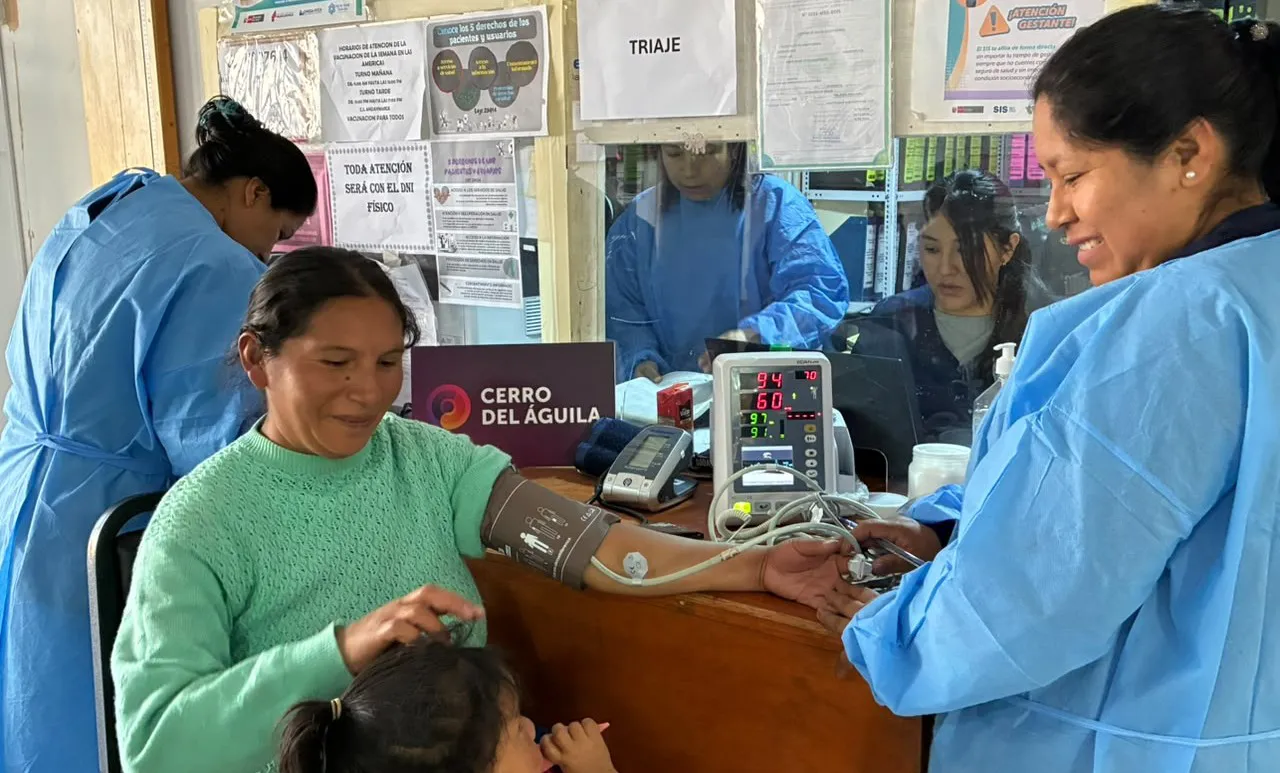
In an era where remote communities often face significant barriers to essential services, the Central Hidroeléctrica Cerro del Águila, operated by Kallpa Generación S.A., has reaffirmed its role as a catalyst for social development. Through a robust, long-standing health initiative, the company successfully concluded its first medical campaign of the year, providing comprehensive care to residents across seven communities and an annex within the districts of Andaymarca, Colcabamba, and Surcubamba, located in the province of Tayacaja, Huancavelica.
This initiative, which spanned eight intensive days, underscores a strategic shift in corporate social responsibility (CSR). By moving beyond simple philanthropy, Kallpa Generación is embedding itself into the fabric of the community, utilizing its "Shared Social Management" model to ensure that the dividends of industrial development are translated into tangible improvements in the quality of life for the most vulnerable populations.
The Core Facts: A Mission of Care
The latest campaign was not merely a series of consultations but a comprehensive health intervention. Designed to address the unique challenges of high-altitude rural living, the program focused on the most vulnerable demographics: children, women, and the elderly.
Key Metrics of the Campaign:
- Total Reach: 1,448 individual medical attentions provided.
- Duration: Eight consecutive days of field operations.
- Geographic Scope: Seven communities and one annex across three districts (Andaymarca, Colcabamba, and Surcubamba).
- Disciplines Offered: General medicine, dentistry, nursing, and complementary wellness services including cosmetology.
- Resource Distribution: Free access to essential medications based on professional medical diagnosis, ensuring that treatment plans were not hindered by economic constraints.
By integrating specialized medical care with basic preventive health education, the initiative aimed to not only treat acute ailments but to foster a culture of health literacy among the local residents.
A Decade of Dedication: The Chronology of Commitment
The success of this recent campaign is not an isolated event; it is the culmination of over a decade of consistent community engagement. Since 2013, the Cerro del Águila Hydroelectric Power Plant has maintained a rigid schedule of two medical campaigns per year.

The Evolution of the Initiative:
- 2013: The Foundation: Kallpa Generación launched its initial outreach programs, recognizing that the lack of infrastructure in Tayacaja made routine check-ups a luxury rather than a right.
- 2013–2018: Building Trust: The company spent the first five years establishing rapport with local leaders and community members, adjusting the medical offering based on the specific health profile of the region (e.g., respiratory issues common to high-altitude areas).
- 2019–2022: Adapting to Crisis: During the global health crisis, the program pivoted, integrating necessary sanitary protocols and expanding to address emergency health needs, reinforcing the company’s role as a vital partner for the regional health network.
- 2023–Present: Scaling Impact: The current iteration of the campaign represents the most advanced stage of the project, characterized by a multidisciplinary team and a sophisticated logistics chain that allows for high-volume service delivery in extremely remote terrain.
This continuity is what sets the program apart from standard corporate charity. By maintaining a presence for over ten years, the company has transitioned from an external actor to a trusted partner in the development of Tayacaja.
Supporting Data: Understanding the Healthcare Landscape in Huancavelica
To understand the necessity of this intervention, one must look at the structural realities of the region. Huancavelica consistently ranks among the regions with the highest poverty rates in Peru, where the "geographic gap" often dictates health outcomes.
The Challenges of Rural Healthcare in the Andes:
- Topography and Connectivity: Many of the communities served by the Cerro del Águila plant are located hours away from the nearest provincial hospital. During rainy seasons, road closures can isolate these populations for days.
- Specialist Shortage: While rural health posts exist, they are often staffed by general practitioners or nursing staff, with limited access to dentistry or specialized diagnostics.
- Economic Barriers: The cost of transport to larger cities for medical attention, combined with the cost of medication, often leads families to delay care until a condition becomes critical.
By bringing the specialists—dentists, nurses, and general practitioners—directly to the doorsteps of these communities, the program effectively eliminates the "travel barrier" and ensures that early diagnosis becomes the standard rather than the exception.
Official Perspectives: The Philosophy of Shared Social Management
The success of these campaigns is anchored in the leadership’s clear vision regarding the role of private enterprise in the public sphere. Luis Eduardo Alburqueque Castro, Manager of Social Management at Kallpa Generación, emphasizes that this is not just a project, but a core tenet of their corporate identity.
"The health of the local population is one of the pillars of the social management policy of Cerro del Águila," stated Alburqueque Castro. "Given that access to services is limited in rural zones, these campaigns are crucial for preventing or attending to health conditions before they escalate. We are not just providing a service; we are securing the human capital of the region."

This perspective reflects a move toward "Shared Value"—a management concept where the company creates economic value in a way that also creates value for society by addressing its needs and challenges.
Implications: Building a Sustainable Future
The impact of this initiative extends far beyond the 1,448 consultations recorded. By fostering a healthier population, the company is indirectly supporting the long-term economic stability of the region.
The Ripple Effect:
- Increased Productivity: Healthy adults are more capable of engaging in agriculture and local commerce, which are the primary economic drivers for families in Tayacaja.
- School Attendance: By focusing on the health of children, the program helps reduce absenteeism in local schools, fostering better educational outcomes.
- Social Cohesion: These campaigns provide a neutral ground where the company, local authorities, and community members interact, fostering transparency and trust. This is essential for the "Shared Social Management" model to function effectively.
The "Shared Social Management" Model
The model implemented by Kallpa Generación serves as a blueprint for other extractive and infrastructure industries in Peru. It operates on three pillars:
- State Participation: Coordinating with regional and local health authorities to ensure that services provided are complementary to, and not duplicative of, government efforts.
- Community Agency: Engaging local leaders in the planning process to ensure that the campaign addresses the most pressing health concerns of the specific communities involved.
- Corporate Execution: Utilizing the logistical and financial strength of the private sector to bridge the gap between supply and demand.
Conclusion: A Model for Regional Development
The medical campaigns of the Central Hidroeléctrica Cerro del Águila are a testament to what is possible when private enterprise operates with a long-term view of its role in society. As the region of Huancavelica continues to develop, initiatives like these serve as vital safety nets that ensure no community is left behind.
Through its commitment to health, Kallpa Generación is not merely generating electricity for the national grid; it is generating energy for social progress. By investing in the wellbeing of the residents of Andaymarca, Colcabamba, and Surcubamba, the company is building a foundation of trust and resilience that will serve the people of Tayacaja for years to come. As we look toward the second half of the year, the anticipation for the next phase of this initiative remains a testament to the essential nature of this partnership between the private sector and the Andean communities.